
Create a visual layer
A throw adds color or texture without replacing the duvet cover set. It allows for a quick refresh of a very neutral room.

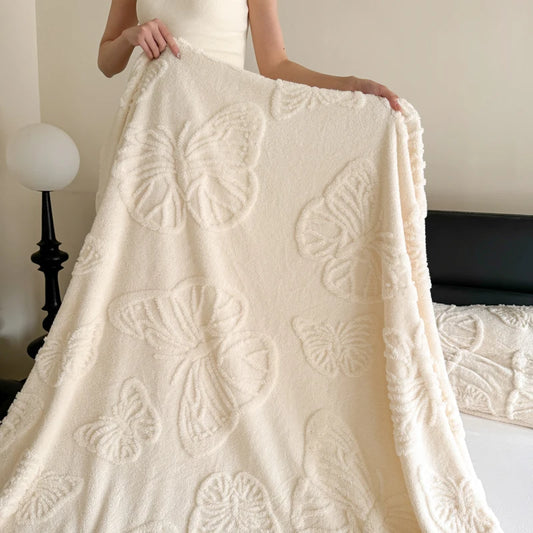


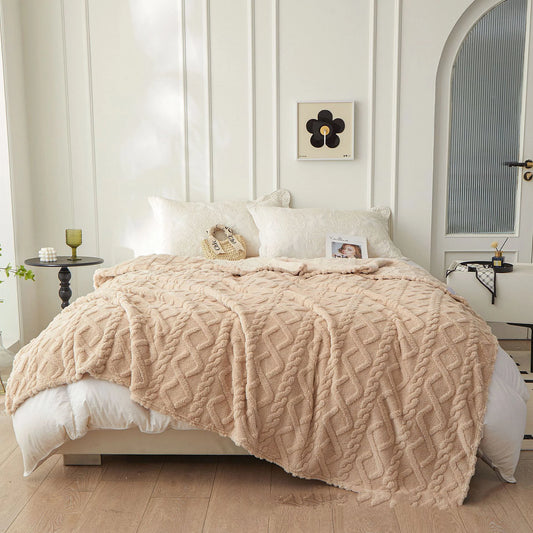

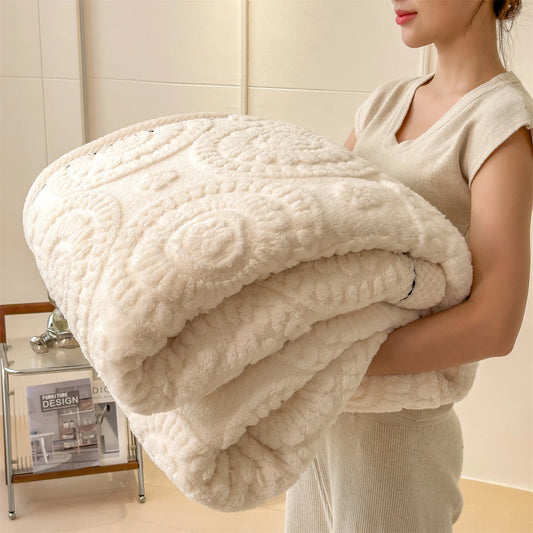


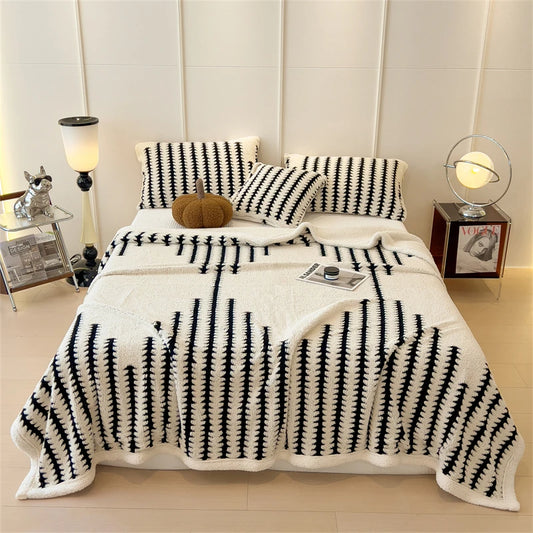

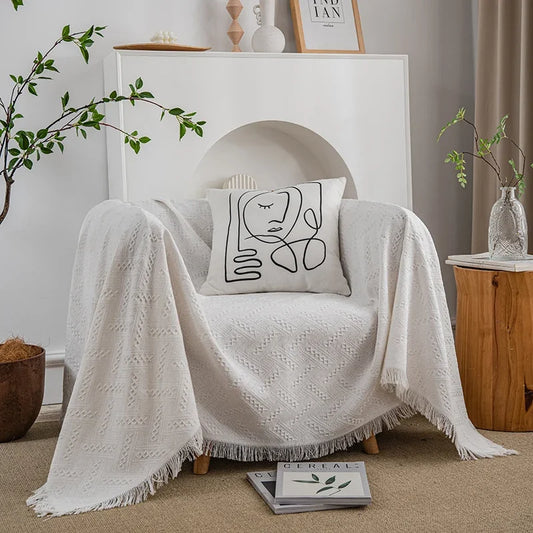


A bed throw is a decorative layer placed over your bedding. It can cover the entire bed, be folded at the foot, or be arranged more loosely to provide additional color and texture. Unlike a duvet cover, its primary function is not to wrap the duvet: it complements the bed and allows you to easily refresh the room's atmosphere.
The choice depends on the desired result. A large, full-coverage model provides a clean and structured look. A smaller format placed as a strip creates a light finish. A thick material visually adds volume, while a supple fabric creates a more relaxed effect. Maison Orea brings together different styles of bed throws to allow you to choose based on your bedding, your habits, and the existing decor.
These terms can sometimes overlap in usage, but their intent is not exactly the same. A throw is generally designed as a soft, decorative layer that is placed freely. A bed throws & bedspreads is often chosen to cover a large portion of the bed in a more uniform manner. A throw blanket is usually smaller and can easily move from the bed to the sofa.
The boundaries are not strict: a large throw blanket can become a bed throw, and a generous throw can cover almost the entire bed. The best way to choose is therefore to look at the actual dimensions, weight, and type of material rather than focusing solely on the product name.
A throw adds color or texture without replacing the duvet cover set. It allows for a quick refresh of a very neutral room.
Placed over the duvet, it limits direct contact with the main linen when sitting on the bed or placing clothes on it.
Some models can serve as an extra blanket. The level of warmth, however, depends on the material, weight, and construction of the textile.

Start by deciding how you want to place it. To cover the entire width of the bed and have it drape over the sides, measure the width of the mattress and add the amount of fabric you want to see hanging on each side. For placement only at the foot of the bed, the textile simply needs to comfortably span the width and create a drape suited to your desired style.
Avoid using a size chart as an absolute rule. Mattress thickness, bed base height, the presence of a bulky duvet, and the height of the bed significantly change the result. A double bed throw can therefore work very differently on two beds advertised with the same width.
If you want a full-coverage look, measure the bed once made. Run a flexible tape measure from one side to the other, following the surface of the duvet, then add a few centimeters depending on the desired drape. This method provides a much more realistic reference than just the dimensions of the mattress.
Full coverage is suitable when the throw is meant to be a large decorative surface or to protect the duvet over almost its entire length. The textile must then be wide and long enough to remain balanced once the bed is made.
A strip at the foot of the bed requires less material. Fold the throw in half or in thirds lengthwise and place it on the lower third of the bed. This method leaves the bedding visible and allows you to play more with color contrast.
Cotton can offer a very different look depending on its weave: smooth, waffle-knit, quilted, or textured. A cotton bed throw can be an interesting choice for versatile use, but always check the full composition, weight, and care recommendations.
Linen-look textiles create a more natural ambiance and a soft drape. Velvet or faux fur provide more visual depth and an enveloping effect. A velvet bed throw can become the highlight of a very simple room, while a gauze or light-weave model leaves more room for the bedding underneath.
The choice must also take into account the frequency of washing. A purely decorative textile may be more delicate. If the throw is used daily, if you often sit on it, or if it serves as a blanket, ease of maintenance becomes more important.
An asymmetrical arrangement works best when the rest of the bed remains fairly simple. If you are already using several decorative cushions and a very graphic duvet cover set, a neat strip at the foot can provide more balance than a textile placed very freely.
The throw can become the main accent point. Terracotta, green, deep blue, or a subtle pattern immediately adds depth. A cushion cover featuring a small touch of the same color is enough to tie everything together.
You can also stay within a monochrome palette and create contrast solely through textures.
Opt for a solid-colored throw in a color already present in the pattern. The result looks calmer and avoids competing patterns.
If the print is very colorful, a neutral shade like ecru, beige, soft gray, or light brown can serve as a transition with the rest of the room.

The color depends primarily on the bed linen and the headboard. A terracotta bed throw warms up a beige, cream, or white bedroom. A soft green works well with natural wood and sand tones. Blues and grays create a fresher contrast, while white or ecru lightens dark bedding.
To avoid multiplying shades, use a simple rule: one dominant color, a second textile color, and a small accent color. The throw can occupy the second place. Cushions, a lamp, or a frame can then pick up the accent in small amounts.
Patterns have more impact on a large, full-coverage format than on a small strip at the foot. If you like a bold pattern but fear overloading the room, choose a more compact format or fold the textile more.
The throw is particularly practical for changing the atmosphere without replacing all the bedding. In spring and summer, light colors and visually light materials provide an airier impression. In autumn, more pronounced textures and warm shades make the room more enveloping. In winter, a thick model can also serve as an extra layer if its material and usage allow.
This adaptation remains a matter of personal comfort. A thick textile placed on the bed is not necessarily used while sleeping. The room temperature, the duvet, and the sleeper's preferences count for more. The bed throw can therefore remain primarily decorative and be removed at bedtime.
In a small space, the bed often occupies the majority of the visual field. A throw can help structure this large surface, but it is best to avoid an accumulation of bulky layers. A strip at the foot of the bed or a light texture is usually sufficient.
Choose a color linked to the walls or curtains to avoid visually cutting the room into too many zones. Similar tones create continuity, while a strong contrast immediately draws the eye to the bed. Both approaches work; choose based on whether you want to make the bed the focal point or integrate it more discreetly.
Instructions vary greatly depending on the material. Always consult the label before washing. A large, quilted, or thick model can become very heavy when wet and require a large-capacity machine. Do not force a bulky textile into an overly full drum.
For machine-washable models, use an appropriate amount of detergent and follow the recommended cycle. Some textiles are dryer-safe; others must air dry. Fringes, velvet, thick synthetic materials, or quilted surfaces may require specific precautions.
Between washes, shake out the textile and air it out. Before seasonal storage, ensure it is perfectly dry. Fold it without excessively compressing bulky materials and store it away from moisture.
Yes, when the format and material are suitable for both uses. A supple textile can move from the bed to the sofa, especially if it serves as an extra blanket. However, the constraints are different: on the bed, we often seek a harmonious width; on the sofa, stability and coverage of seating areas become priorities.
If you are mainly looking for a textile for the living room, consult the sofa throw collection. It addresses the measurement of seats, chaise lounges, and corner sofas more specifically.
It is primarily used to dress the bed, add a textile layer, and potentially protect the duvet or provide an extra blanket depending on the model.
First define the desired placement, then measure the made bed. For full coverage, add the drape on each side; for a strip at the foot, a smaller format may suffice.
Not exactly. You just need to create a link through color or material. A controlled contrast often provides more depth than a perfectly identical set.
It depends on the textile and the desired comfort. Some serve as extra blankets; others are mainly decorative and are removed at bedtime.
You can place it flat over the entire width, fold it at the foot of the bed, or create a slight diagonal. Choose the method that keeps the bedding easy to use on a daily basis.

Keep your tablecloth in place with the right size, a non-slip protector, clips or weights. Useful solutions for indoor and outdoor tables.
Keep your tablecloth in place with the right size, a non-slip protector, clips or weights. Useful solutions for indoor and outdoor tables.

Prepare a cosy autumn bedroom with textiles, lighting and colours. Simple layers and decorating ideas that keep the room uncluttered.
Prepare a cosy autumn bedroom with textiles, lighting and colours. Simple layers and decorating ideas that keep the room uncluttered.

Find the right tablecloth size for round, rectangular, square or oval tables. Use our simple drop formula, size charts and measuring tips.
Find the right tablecloth size for round, rectangular, square or oval tables. Use our simple drop formula, size charts and measuring tips.
