
Cover high-traffic areas
The seat, backrest, or chaise lounge can be covered separately. Measure the usable width and provide enough material so that the fabric can be slightly tucked under the cushions if necessary.

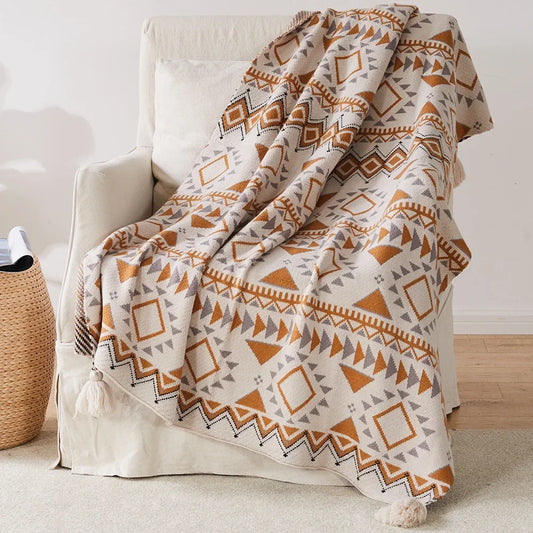

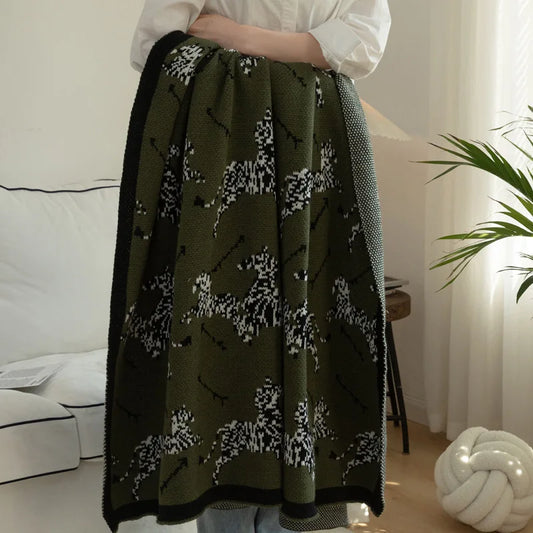

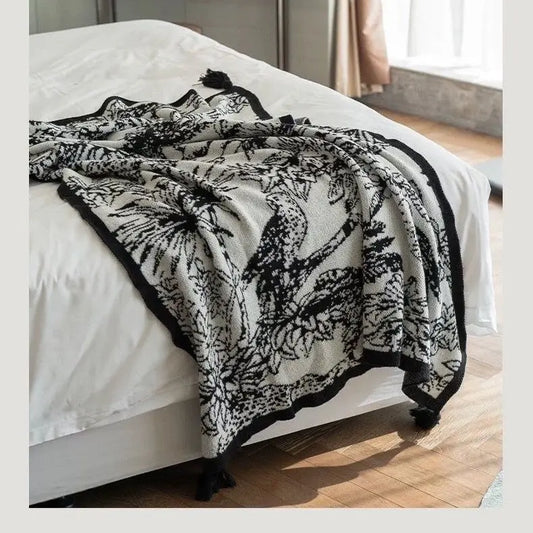

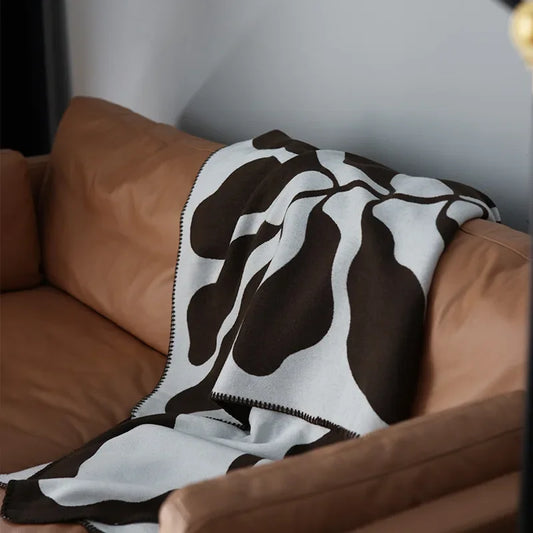

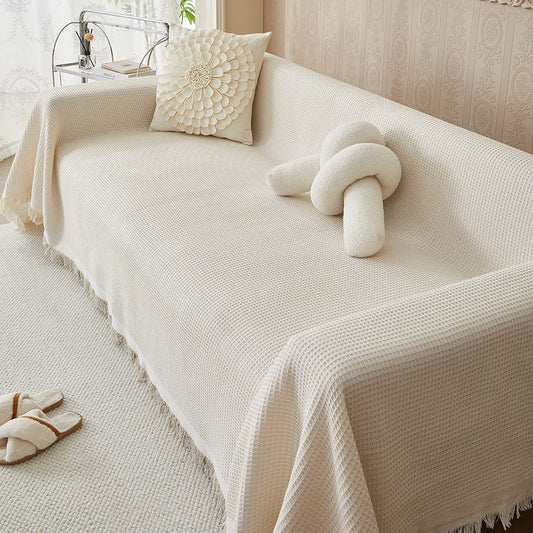

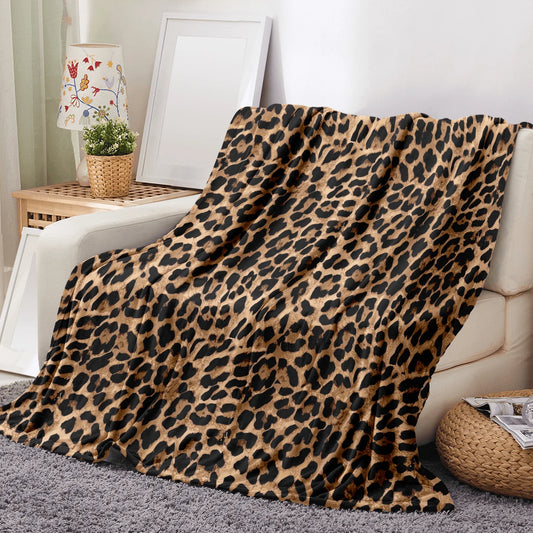

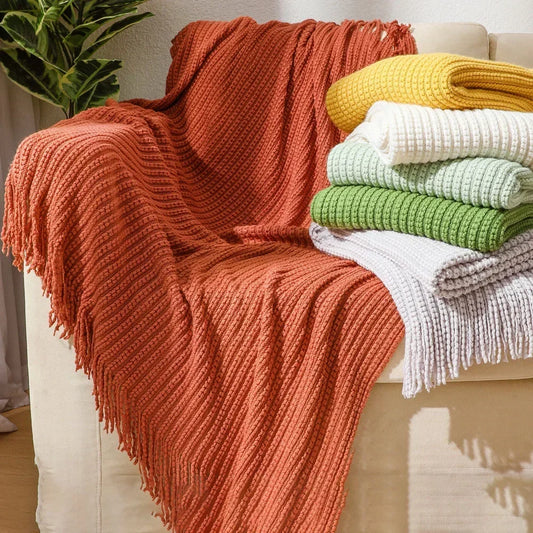

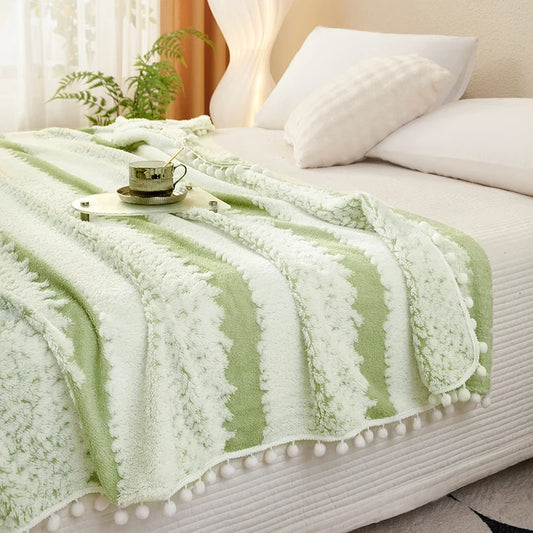

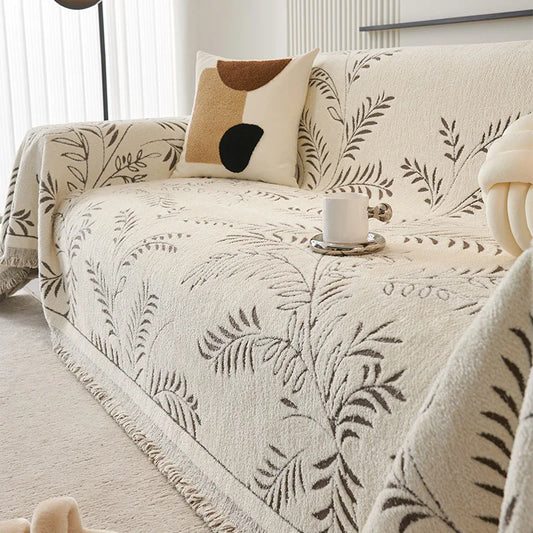

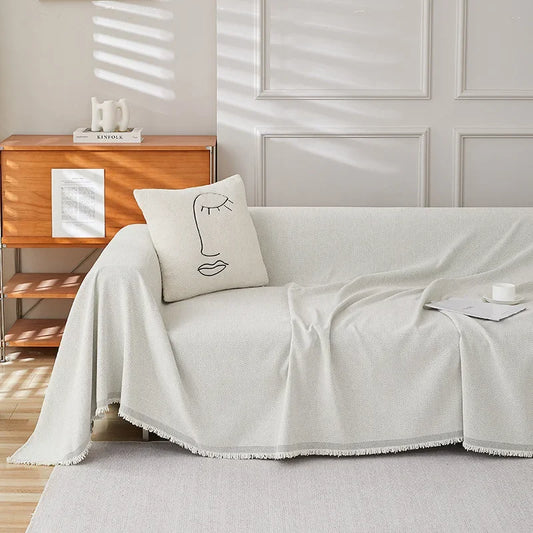

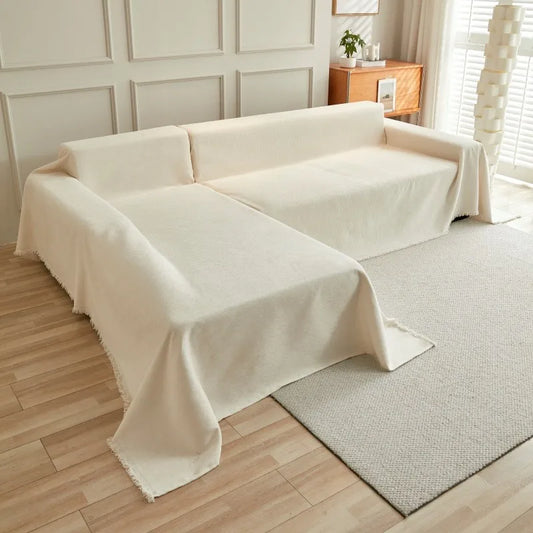

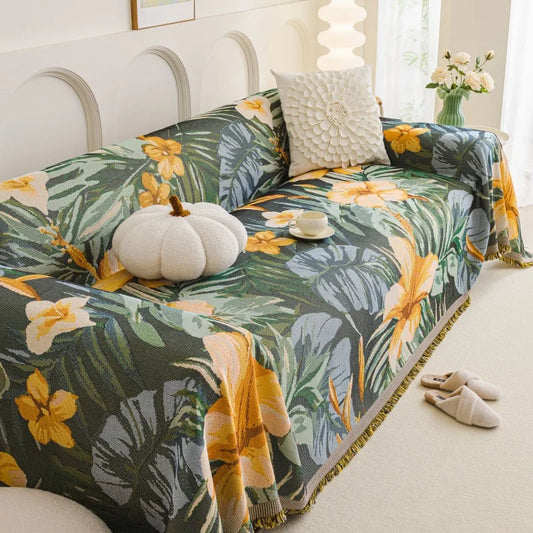

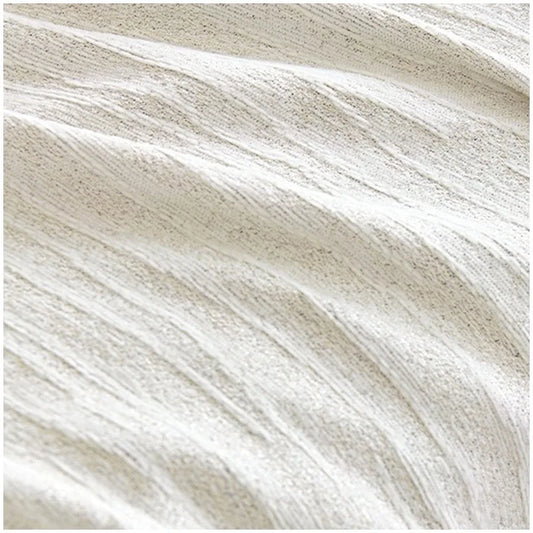

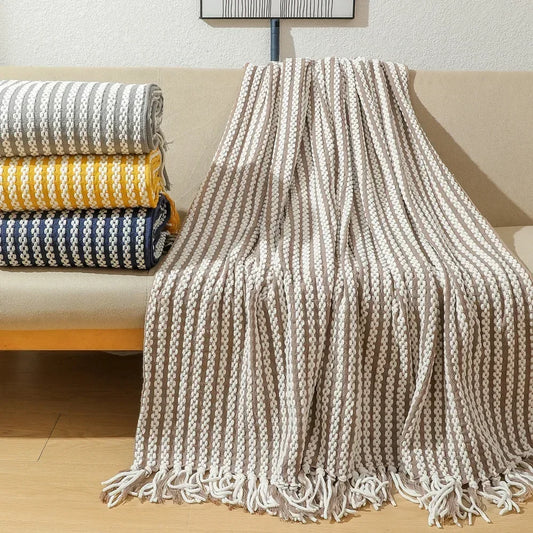

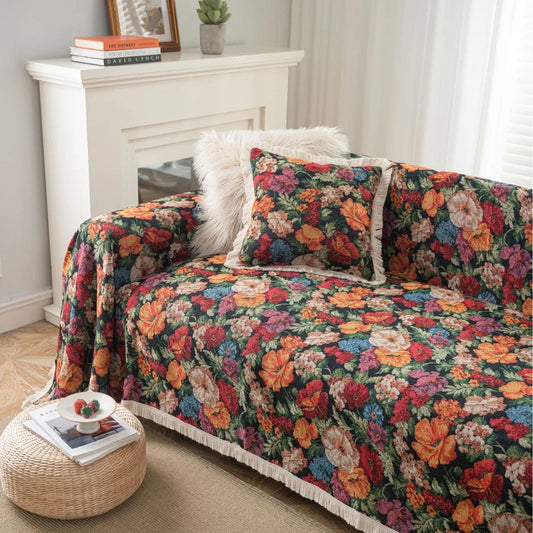

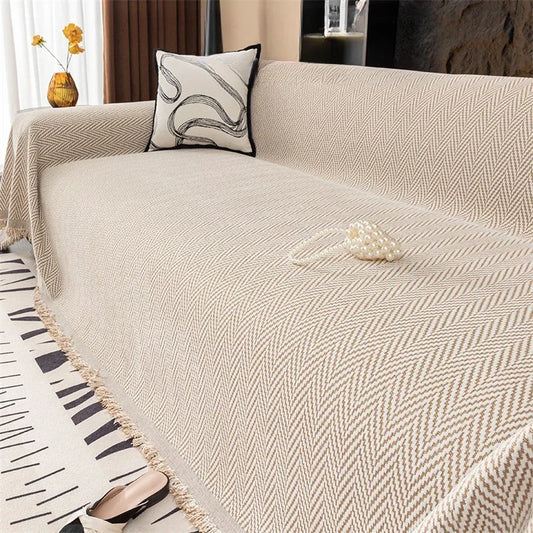
A sofa throws allows you to quickly change the look of your living room while adding a layer of fabric that is easy to remove. It can cover a high-traffic seat, visually soften a sofa color that has become difficult to incorporate, bring a warmer texture, or simply remain within reach as an occasional blanket. Its appeal lies precisely in this versatility: it does not require a permanent transformation of your furniture.
To achieve an appealing result, however, you must choose the size according to the intended use. A small throw placed on an armrest does not have the same role as a large model designed to cover a significant portion of a sectional sofa. The material, weight, how the fabric slips, and the frequency of washing also matter. Maison Orea brings together models of varied sizes, colors, and textures to help you find a sofa throws that is consistent with your furniture and your daily life.
Before looking at the color, choose your priority. If you mainly want to protect the seat, the fabric must cover the areas where you sit and remain stable enough. To hide a worn area, measure the area to be covered rather than the sofa as a whole. For decorative use, a smaller size may suffice if it is placed as a strip or diagonally. Finally, if you plan to wrap yourself in it, the feel to the touch and the size when unfolded become essential.
This distinction prevents you from buying a beautiful but ill-suited model. The best sofa throws is not necessarily the largest one: it is the one that matches the habit you want to repeat every day.
The seat, backrest, or chaise lounge can be covered separately. Measure the usable width and provide enough material so that the fabric can be slightly tucked under the cushions if necessary.
A large textile immediately changes the visual mass of the sofa. A light shade lightens a dark piece of furniture; a deep tone gives more presence to a beige or ecru sofa.
If the throw is also used during the evening, choose a material that is pleasant against the skin and a size generous enough for the intended use.

Start by measuring the area you wish to cover: seat width, seat depth, backrest height, and, if necessary, the length of the chaise lounge. For almost complete coverage, add the necessary overhangs on the front, back, or sides. For a decorative layout, measure only the visible strip.
Terms like "2-seater," "3-seater," or "sectional sofa" are not enough. Two three-seater sofas can have very different widths, thick or thin armrests, and fixed or removable cushions. The exact dimensions of the product must therefore be compared to your measurements.
Some models in the collection are available in several formats, including large dimensions. A large-size sofa throws can be useful on a chaise lounge or a deep sofa, but also check its weight and your ability to wash and dry it easily.
A single large piece of fabric gives a continuous look and can cover a large part of the sofa. It is practical when the goal is to significantly change the appearance of the furniture. Several smaller pieces are sometimes easier to use on a sectional sofa: one on the chaise lounge, one on the main seat, and possibly a third on the backrest.
This modular solution also facilitates washing, as each element can be removed separately. However, you must coordinate the colors and patterns to avoid a fragmented impression.
Cotton and natural-looking textiles are easy to incorporate into many living rooms. Their finish can be matte, embossed, woven, or softer depending on the construction. Linen or textiles that mimic its look provide a visible texture and a more relaxed drape. Synthetic blends can offer numerous finishes and practical drying.
Knit and thick textiles add more texture. They are well-suited to a cozy atmosphere, but take up more space when folded and can be heavier to wash. A cotton sofa throws, for example, should not be chosen solely for the name of its material: also look at its weave, its size, and its care instructions.
On a leather sofa or a very smooth material, some textiles may move more easily. A slightly structured texture can improve grip, but no material alone guarantees it won't slip. The shape of the sofa and the way you tuck the fabric slightly under the cushions are often just as important.

You can also let it drape loosely over an armrest for a more relaxed look. The important thing is to avoid creating a mass of folds under the people sitting down. A textile must remain aesthetic, but above all, it must keep the sofa comfortable.
On a straight sofa, symmetry is easy to achieve. A large throw can be centered on the seat or folded over a third of the sofa. If you use cushion covers, pick up one color from the throw on only one or two cushions rather than matching everything.
A strip layout is particularly useful if you want to keep the original material visible while adding extra texture.
The sectional sofa has several volumes. It is often more harmonious to focus on the chaise lounge or the return rather than trying to perfectly cover the entire structure. A sectional sofa throws must therefore be chosen by comparing its dimensions to the specific area you want to dress up.
If you use multiple textiles, keep a common palette and avoid layering significant thicknesses on the seat junctions.
On a beige, ecru, or light gray sofa, terracotta, deep green, blue, or a graphic pattern easily creates an accent point. A terracotta sofa throws can, for example, warm up a living room dominated by light wood and sand tones. Conversely, on a dark sofa, a beige, ecru, or light pattern creates more contrast.
A color close to that of the sofa gives a more discreet tone-on-tone result. In this case, bet on the difference in texture: visible weave on smooth velvet, knit on solid fabric, or light pattern on a similar color. If the rug and curtains are already very present, the sofa throws can be used to calm the whole look rather than adding a new color.
A throw can protect part of the seat from daily dirt, but it does not make the sofa invulnerable. If you have children or pets, look mainly at whether the textile is easy to remove, wash, and put back in place. A medium color, a discreet pattern, or a heathered texture may also be easier to live with visually than a solid white.
Keep two throws in rotation: when one is in the wash, the second protects the sofa. This organization is more realistic than having a very delicate textile that you then hesitate to use. Always check the product's compatibility with your washing method.
Check the label before the first wash. Temperatures, spin cycle, and drying vary according to fibers, weave, and any fringe. A large size can become heavy when wet; ensure your machine has an adapted capacity and do not overload the drum.
In case of a stain, first remove the excess without spreading it. Blot with a method compatible with the material rather than immediately applying a powerful stain remover. Aggressive products can change the colors or certain finishes.
After washing, dry the textile completely before folding it back. For fringed or knit models, gently reshape them during drying if the instructions permit. Between washes, shaking the throw outside and regularly removing crumbs or dust is often enough to maintain a clean look.
The throw is quick to put on and take off. It is well-suited when you want to cover only one area, change the atmosphere, or keep a large part of the sofa visible. A full cover fits the shape of the furniture more snugly and can give a more uniform look, but it often requires more precision during installation.
The choice therefore depends on your goal. For a seasonal change or localized protection, the sofa throws is particularly flexible. To hide the original upholstery entirely, you must verify that a large throw will really offer the desired level of coverage.
Measure the area you want to cover and then compare it to the actual dimensions of the product. The number of seats of the sofa is not enough, as width, depth, and shape of armrests vary.
You can tuck it slightly under the removable cushions or choose a strip layout that reduces the surface likely to move. The texture of the sofa and that of the throw also influence stability.
Yes, if its format and material are comfortable for this use. Check the unfolded dimensions and choose a feel that you really enjoy against your skin.
Pick up one or two common colors without making everything identical. Varying textures and keeping a few neutral cushions usually gives more depth.
Yes. You can mainly cover the chaise lounge, part of the seat, or use several coordinated pieces. Measure each area before choosing.

Keep your tablecloth in place with the right size, a non-slip protector, clips or weights. Useful solutions for indoor and outdoor tables.
Keep your tablecloth in place with the right size, a non-slip protector, clips or weights. Useful solutions for indoor and outdoor tables.

Prepare a cosy autumn bedroom with textiles, lighting and colours. Simple layers and decorating ideas that keep the room uncluttered.
Prepare a cosy autumn bedroom with textiles, lighting and colours. Simple layers and decorating ideas that keep the room uncluttered.

Find the right tablecloth size for round, rectangular, square or oval tables. Use our simple drop formula, size charts and measuring tips.
Find the right tablecloth size for round, rectangular, square or oval tables. Use our simple drop formula, size charts and measuring tips.
