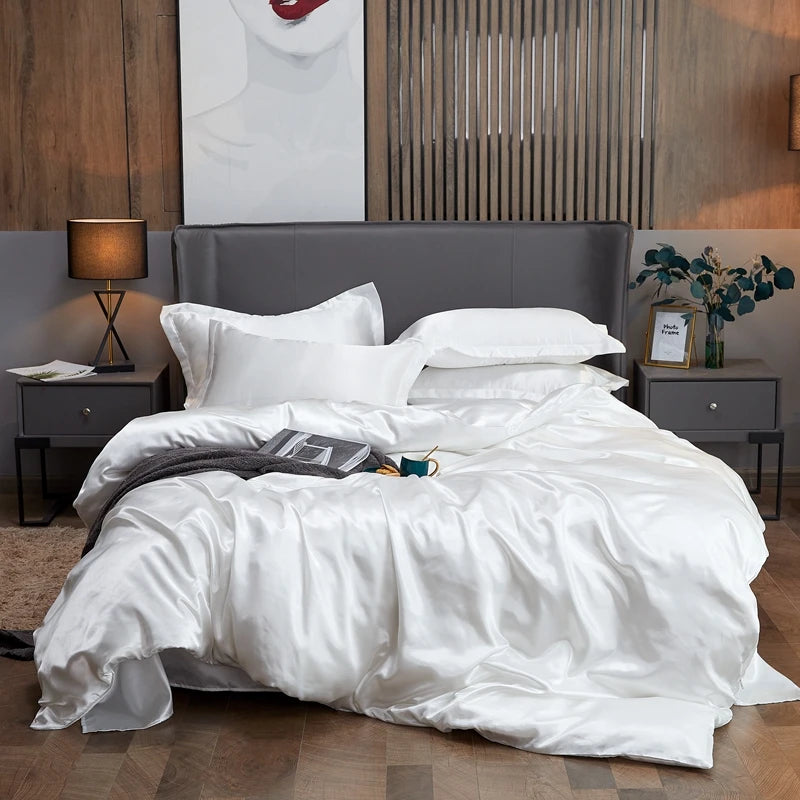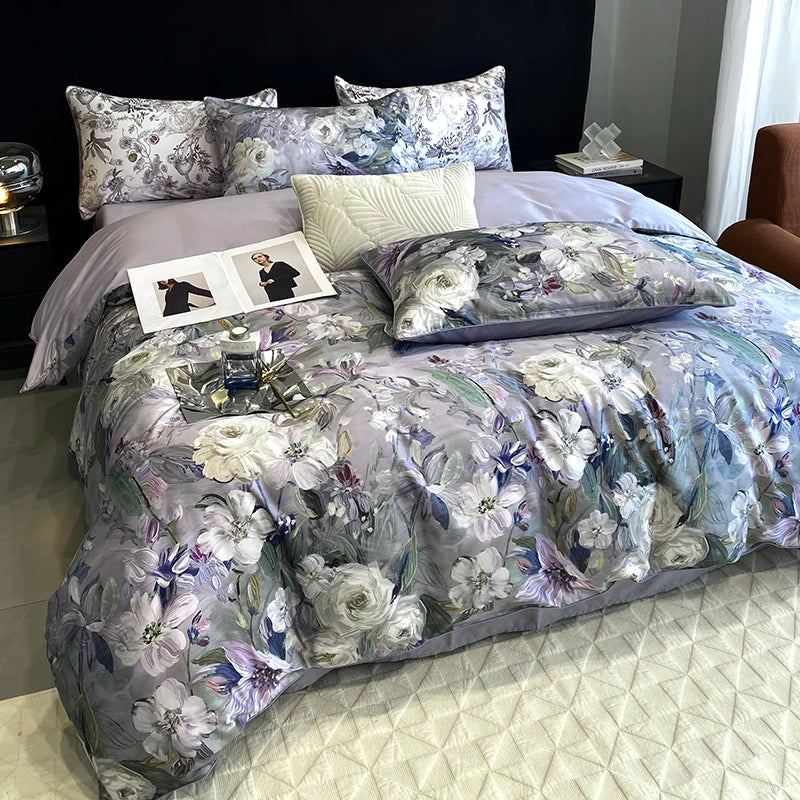

Children's bedroom: choosing attractive and practical bed linen
OreaHow to choose children's bedding without sacrificing style
Choosing a children's bedding set isn't just about finding a cute pattern. The room needs to remain practical, easy to tidy, and calm enough to support sleep. Bedding therefore plays a very concrete role: it sets the tone for the room, but it must also withstand frequent washing, changing preferences, and daily routines.
A successful children's room isn't a static one. It evolves with age, games, books, favourite objects, and storage needs. The right bedding must integrate into this real life, not just look pretty in a photo.
In this article, we'll see how to keep a room soft, lively, and easy to maintain without going for a complete look or multiplying patterns.
Table of Contents
The direct answer: choose a decor that can evolve
A child's room changes quickly. Tastes evolve, needs change, and bedding must follow suit without requiring a complete room overhaul. The right choice is to find a set that is joyful enough to appeal, but simple enough to remain beautiful for several seasons.
Overly thematic patterns might be appealing at first glance, but they date more quickly. Conversely, a soft base with a colour, a stripe, a small pattern, or a texture helps maintain a more balanced room. Children's bedding should be easy to love, but also easy to live with.
Practicality matters a lot: frequent washing, pleasant material, suitable size for the bed, and simple storage. A well-dressed child's bed should be able to be made quickly, even on rushed mornings.
- choose a comfortable and washable material
- avoid overly dominant patterns
- stick to a palette of two or three colours
- plan for accessible linen storage
- add character with a cushion or blanket
Create a soft but not gloomy palette
Children's room colours can be cheerful without becoming loud. Greyish blues, soft greens, light terracotta, warm beiges, and off-whites work very well because they create a calm atmosphere. They also allow for adding toys, books, and objects without visually saturating the room.
A children's bedding set can become the starting point for the palette. Then, simply repeat a colour on a basket, a curtain, or a cushion cover to create true coherence.
| Objective | Good choice | Effect | To avoid |
|---|---|---|---|
| Calm room | soft tones | more peaceful sleep | fluorescent colours |
| Cheerful room | light pattern | personality | total theme |
| Easy care | washable material | daily use | fragile textile |
| Evolving decor | simple base | longer lifespan | overly themed character |

Think about washing and storage
In a child's room, bedding must be able to be washed often without becoming a chore. Bedding sets that are too complicated to put back on rarely get used as intended. The simpler the set, the more pleasant it remains for daily use.
Visible storage can also help. A basket for the blanket, a low shelf for pillowcases, or a spare cover stored near the bed simplify routines. The child better understands where things go, and the room remains easier to maintain.
Add style without overdoing it
A child's bed can be decorated with few elements: a bedding set, a folded blanket, a cushion, and a soft lamp. It's the materials and palette that create the style, not the quantity of objects.
If the room is small, keep the floor and walls fairly calm. The bedding can then provide the main decorative touch without making the space feel busy.

Make the decor last despite changing preferences
To avoid redoing the entire room as tastes evolve, keep large surfaces fairly calm. The bedding can add a cheerful note, but walls, curtains, and furniture benefit from remaining more flexible. This base allows you to replace a cushion or a blanket without redesigning the entire room.
It's also a good way to better manage visual clutter. Toys and books already bring a lot of colour. If the bedding remains consistent, the room appears more composed even when it's actively used.
Also, think about the season. A light base can stay all year round, then be complemented by a warmer blanket in winter or a fresher pillowcase in spring. The room then changes in small touches, without losing coherence.
- reserve strong patterns for small accents
- repeat a colour from the bedding in an accessory
- keep an accessible basket for textiles
- avoid multiplying themes in the same room
Conclusion
A successful child's bedding set should be comfortable, washable, pretty, and easy to integrate. It should complement the room, not dominate it.
The best choice is often one that allows the room to evolve without losing its harmony.