
Washed linen, percale, satin: which material for which bedroom?
Louis MikolajczakWashed linen, percale, satin: how to choose the right material for the desired ambiance
When we talk about bed linen, we often talk about color, pattern, or size. However, the material largely determines the ambiance. Two rooms dressed in the same beige shade tell completely different stories if one is in smooth satin and the other in soft washed linen.
The right choice doesn't just depend on the visual result. It also depends on your relationship with the bed: do you like a neat and tidy room, or a bed that feels a bit lived-in with natural creases? Are you looking for freshness, softness, texture, shine, or lightness?
Recent trends in bed linen trends for 2026 have brought materials back into focus. This is good news, because a beautiful room often comes from choosing the right texture, more than just choosing a color.
Table of Contents
The direct answer: which material for which sensation
If you want a flexible, natural, and slightly relaxed bedroom, washed linen works very well. If you like fresh, neat beds that are visually easy to read, percale remains a safe bet. If you're looking for a smoother, more enveloping, and slightly sophisticated ambiance, satin offers a different look. As for cotton gauze, it creates a softer, lighter impression, often very pleasant in rooms with a simple aesthetic.
In other words, you shouldn't ask a material to produce a sensation that isn't its own. The right textile is one that matches your way of inhabiting the room, not just an inspirational photo.
| Material | Visual Sensation | For whom | Caution point |
|---|---|---|---|
| Washed Linen | Natural, supple, textured | Those who appreciate relief and a lived-in feel | Must accept its creases |
| Percale | Crisp, fresh, clean | Those who like structured beds | Can appear bland if the palette is too cool |
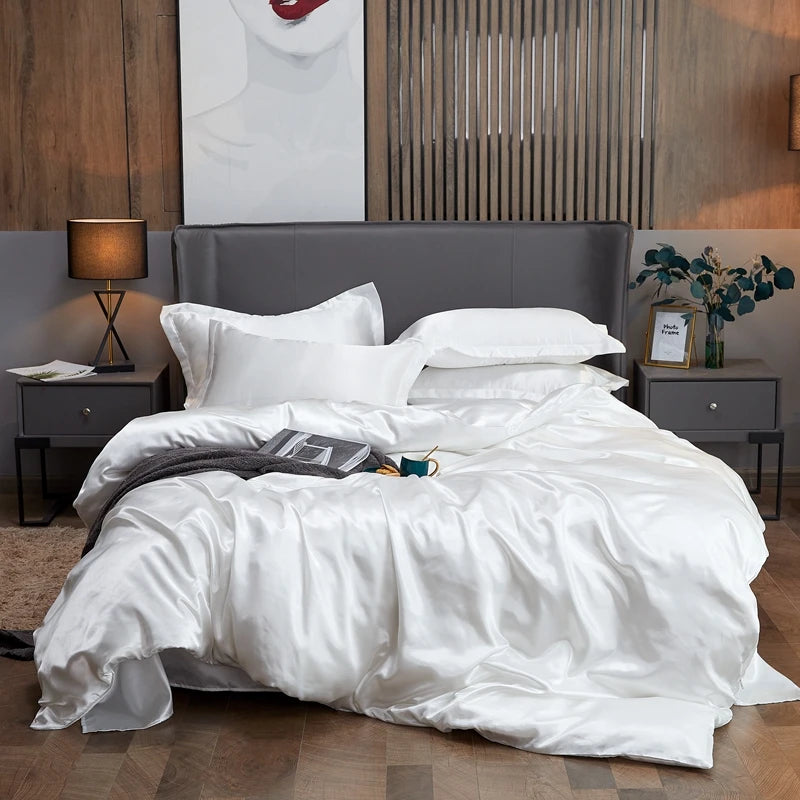
| Satin | Smooth, enveloping, luminous | Those who want a more refined bedroom | Use sparingly to avoid an overly glossy effect |
| Cotton Gauze | Light, soft, airy | Simple and peaceful bedrooms | May lack structure if the whole decor is already very soft |
Washed linen: character, warmth, and naturalness
Washed linen has that rare power to make a bed feel more lived-in without looking neglected. It captures light well, retains a natural texture, and immediately gives a room a more mature feel. It's the ideal material when you want to move away from overly smooth or standardized decor.
However, washed linen is not for someone who wants a bed that is always perfectly neat. Its charm lies precisely in a form of flexibility. In a minimalist room, it adds depth. In an already busy room, it can look messier if not toned down by a simple palette.

Percale, satin, gauze: three different interpretations of the bed
Percale gives the impression of a fresh, clean, well-defined bed. It works very well in bright rooms, in sober interiors, or when you want a timeless look. Satin, on the other hand, reflects more light. It makes the bed feel more fluid, sometimes more chic, provided it is accompanied by matte materials around it to avoid an overly glossy look.
Cotton gauze is something else entirely. It seeks neither perfect neatness nor sophistication. It provides a very simple, almost instinctive visual softness. In a room where you want to feel immediately relaxed, it is a relevant option. However, if the entire decor is already soft, light, and without contrast, it may lack structure.
Choose according to your daily life, not just style
The best material also depends on your habits. If you sweat easily, the fresh feeling of percale or light linen may be more pleasant than a dense textile. If you are primarily looking for a cozy feeling, a well-chosen satin or a more enveloping gauze might be more suitable. If you like the bed to still look good even when slightly untidy, linen is hard to beat.
This point is often overlooked: not everyone experiences the bedroom in the same way. Some want a very soft refuge, others a neat and orderly space. Broader advice on home linen materials supports this: durable textures that are consistent with daily life age better than purchases made on a simple visual impulse.

Combine the right material with the rest of the room
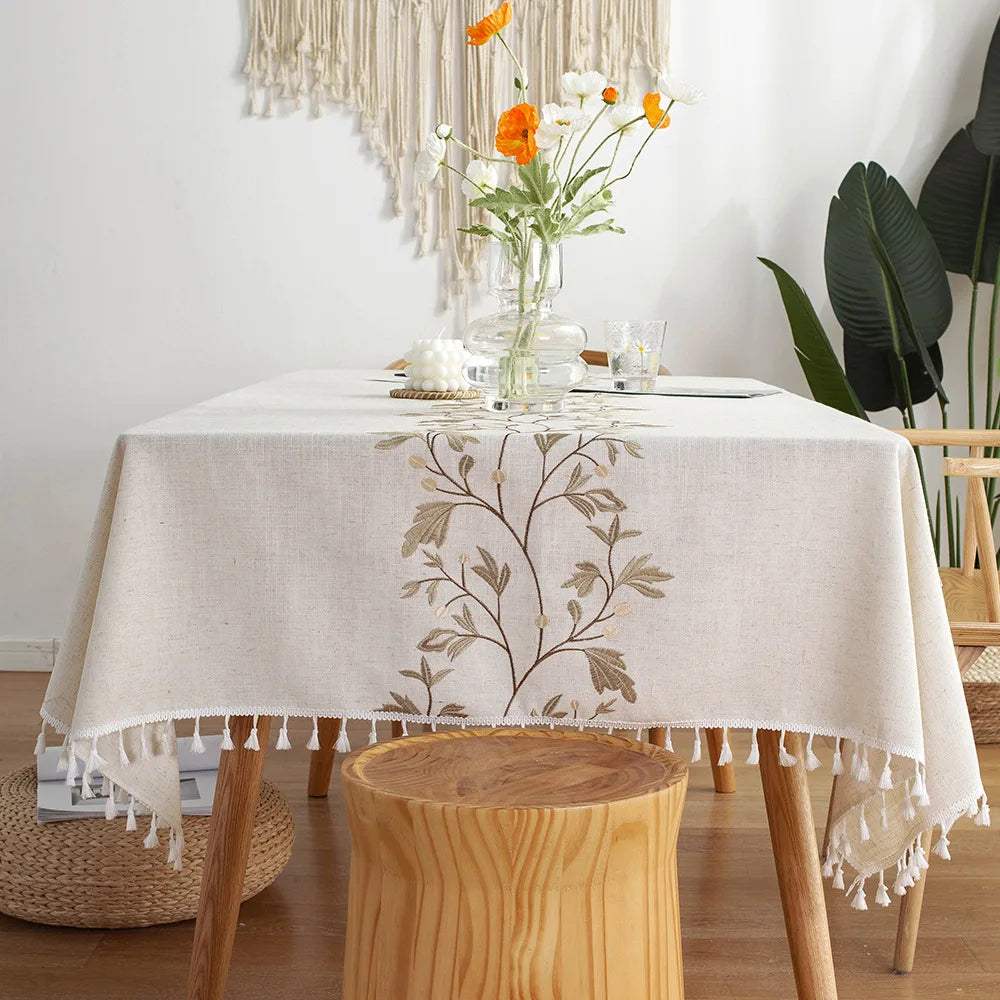
The material of the bed linen should not be considered in isolation. Satin will be more elegant with a matte throw, soft lighting, and a few textured elements. Percale becomes less rigid if accompanied by wood, a soft cushion, or a light throw. Washed linen appears more sophisticated if the colors remain subdued and the headboard is not too ornate.
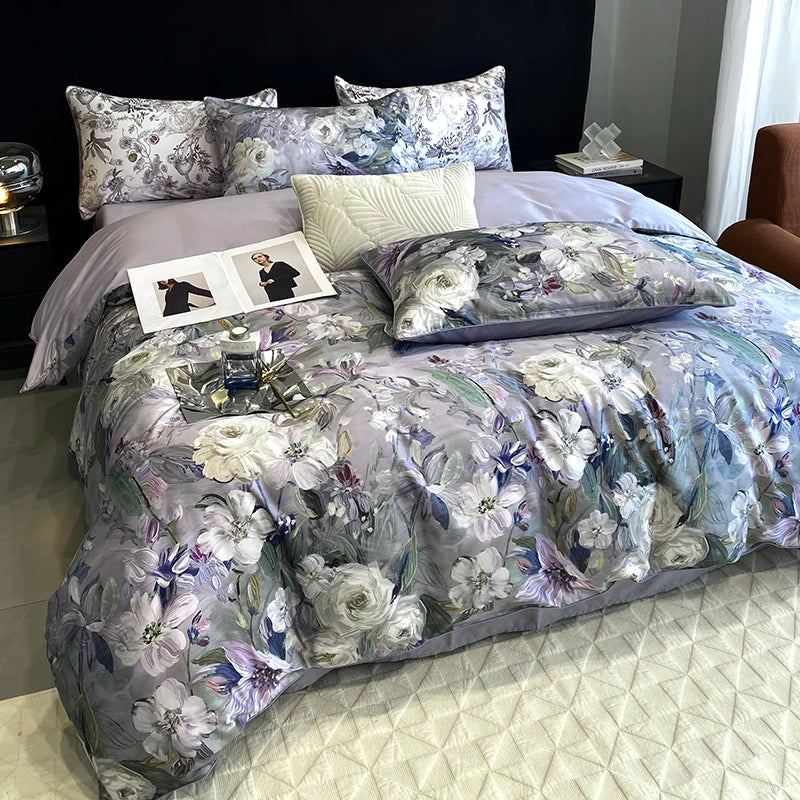
The mistake would be to want the entire room to speak with the same level of intensity. If the material is already very dominant, keep the color calm. If the material is smooth, allow for a bit more texture around it. It is this balance that creates a convincing room, not the multiplication of effects.
Conclusion
Choosing between washed linen, percale, satin, or cotton gauze means choosing a feeling for your bedroom. Linen warms and adds character. Percale clarifies. Satin refines. Gauze softens. No choice is universal, but each can be right if it matches the desired ambiance.
Before buying, ask yourself less what's in style and more what you want to feel when you enter the room. It's often this simple question that helps avoid mistakes and build a truly cohesive bedroom.