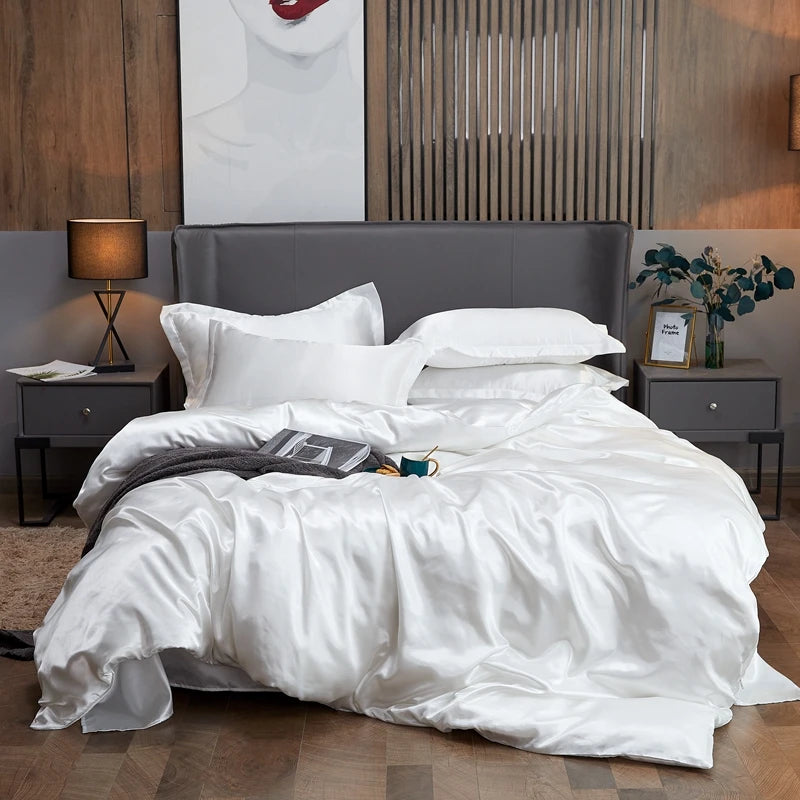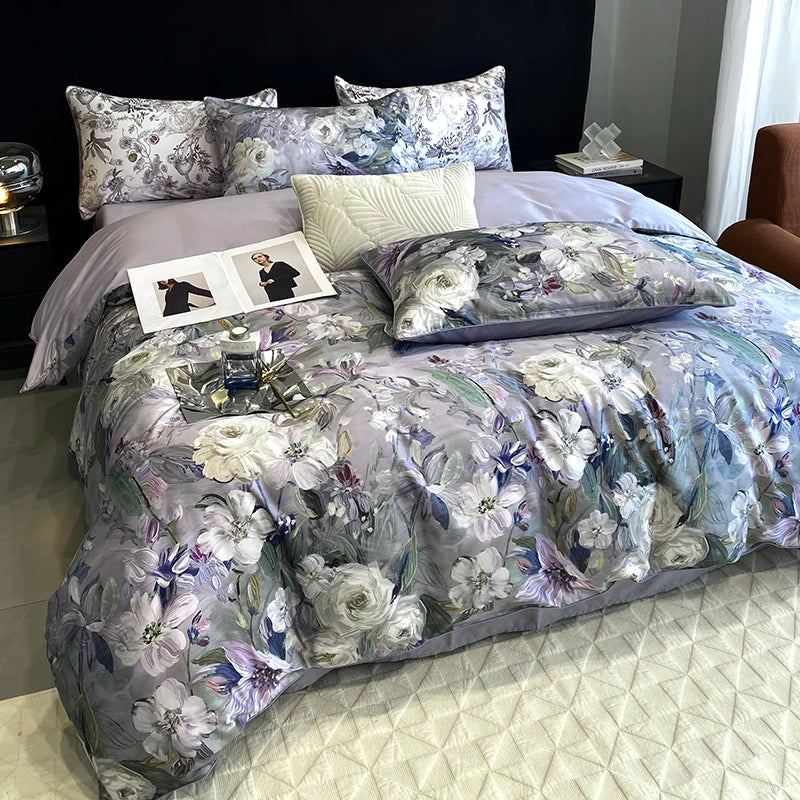

Sofa cushions: mix and match without the catalogue look
Louis MikolajczakSofa cushions: how to combine them naturally and without clutter
The sofa is often where we try to add style quickly. And that's exactly why cushions are so often mishandled. Too many, they clutter. Too matched, they look like a showroom. Too different, they create visual clutter that quickly tires the eye.
The right mix has nothing to do with accumulation. It's more about building a legible, comfortable, and coherent composition for the room. A successful sofa is not an accessory holder. It's a volume that textiles subtly enhance, soften, and warm.
Of course, you can start with the basics already laid out in the Orea article on how to match cushion covers with your sofa. But if you want a composition that looks less academic and more vibrant, you need to go a step further in balancing sizes, materials, and negative space.
Table of Contents
The direct answer: how many and how to arrange them
On a standard sofa, three to five cushions are usually enough. Beyond that, you quickly enter into decorative accumulation. The sofa becomes less legible, sometimes less comfortable, and the cushions no longer play their role of nuance but of filling.
The good principle is to create a simple hierarchy: a base, a relief, an accent. A large, calmer cushion to establish mass, one or two more textured cushions to add depth, and then possibly a denser or more prominent touch to finish the composition.
- Two large formats to stabilize the whole.
- One or two intermediate formats to avoid a too rigid effect.
- A single accent piece if the room needs a point of rhythm.
- Some visible space between the cushions for the sofa to breathe.
Sizes that create rhythm without clutter
A successful composition rarely uses five identical cushions. The eye needs a slight shift to interpret an intention. A large square format can serve as a base, a smaller format can create a break, and then a rectangular model can elongate the ensemble without compacting it.
The opposite mistake would be to try to mix everything. If each cushion has a different size, shape, and visual intensity, the sofa becomes a collection of objects rather than a coherent whole. The most elegant approach often involves a measured difference between two main formats.
| Sofa type | Simple composition | Effect achieved | Common mistake |
|---|---|---|---|
| Small sofa | 2 large + 1 medium | Rhythm without clutter | Stacking 5 small cushions |
| 3-seater sofa | 2 large + 2 medium | Comfortable balance | Choosing all the same size |
| Corner sofa | Stable base + 1 accent | Better distributed volume | Concentrating all cushions on one side |

Mixing materials without multiplying patterns
Most often, relief comes more surely from materials than from patterns. A slightly dry linen cushion, another in denser cotton, and a third in a more enveloping texture create a more subtle result than a mix of very visible patterns.
When the room is already decorated, it's better to calm prints and work on visual touch. This is also what the Orea article on changing covers according to the seasons reminds us: a simple play of textures and nuances can be enough to transform the living room without replacing everything.

Choosing a palette that remains natural
To maintain a natural result, start with a short palette. Two well-chosen neutrals and an accent are more than enough. For example: off-white, sand, and tobacco brown. Or greige, chalk, and muted olive green. The sofa appears dressed, but it remains coherent with the rest of the room.
If the sofa is very light, the accent can come from a denser shade. If it is already dark, it is often better to lighten the cushions instead of darkening it further. The goal is not to create contrast at all costs, but to give volume to the seating.
Evolving the sofa without starting from scratch
A good mix of cushions doesn't need to be fixed. On the contrary, it often benefits from evolving slightly throughout the year. The idea is not to change everything every season, but to replace a material, darken a shade, or lighten an accent according to the light and use of the room.
This logic also avoids the catalog effect. A sofa that lives with a few measured rotations seems more personal than a perpetually identical and too-perfect composition. Keep a stable base, then vary a single strong piece if you want to refresh the ensemble without losing your decorative thread.
Conclusion
Mixing sofa cushions requires fewer ideas than one might think. Above all, it's about keeping a legible composition, embracing negative space, and trusting materials. A convincing sofa is not one that shows the most things, but one whose textiles seem naturally in place.
When in doubt, simplify. One less cushion and a better-chosen material almost always yield a better result than an accumulation of good intentions.