
Beige or white living room: add texture with textiles
Louis MikolajczakBeige or White Living Room: Which Textiles to Choose to Create Depth Without Heaviness
Beige or white living rooms have an obvious advantage: they feel airy. But they also carry a real risk. Due to their neutrality, they can become flat, almost visually silent. The problem isn't the light color itself, but the lack of depth.
Many people try to correct this by adding a strong color all at once: a vibrant terracotta cushion, a dark throw, a contrasting armchair. Sometimes it works. Often, it simply breaks the coherence. In a light living room, depth primarily comes from materials, shades, and the rhythm between textiles.
Orea's advice on matching cushion covers with your sofa is a good starting point. Here, we'll expand the method to the entire living room to create more depth without losing the simplicity that gives a light room its charm.
Table of Contents
The Direct Answer: Depth is Created Before Color
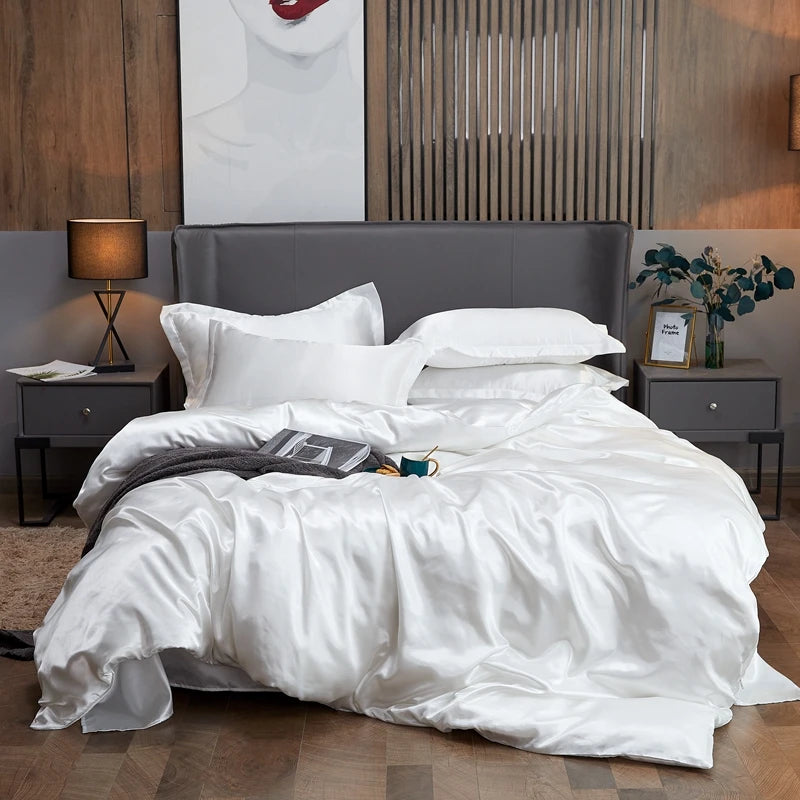
To make a beige or white living room appear richer, you first need to work with variations in material and shade. A slightly textured throw, a matte cover, a denser cushion, an ecru tone next to a sand color, then a soft brown in small doses: this is what provides depth without heaviness.
In other words, before adding a strong color, ask yourself if the living room already has enough texture. A cream sofa with three cushions of the same fabric and same shade will remain flat, even if you add an extra decorative object. Textiles are often the simplest way to elevate a room's quality.
- Vary textures before varying colors.
- Stay in a warm family if the living room already seems a little cold.
- Limit dark accents to small touches.
- Use cushions for rhythm, not to create chaos.
Textures that Revitalize Without Overloading
Textile depth often comes from a soft contrast: matte against slightly smooth, tight weave against a softer surface, crisp cushion against a more flowing throw. In a beige or white living room, these small differences are enough to avoid an overly uniform catalog effect.
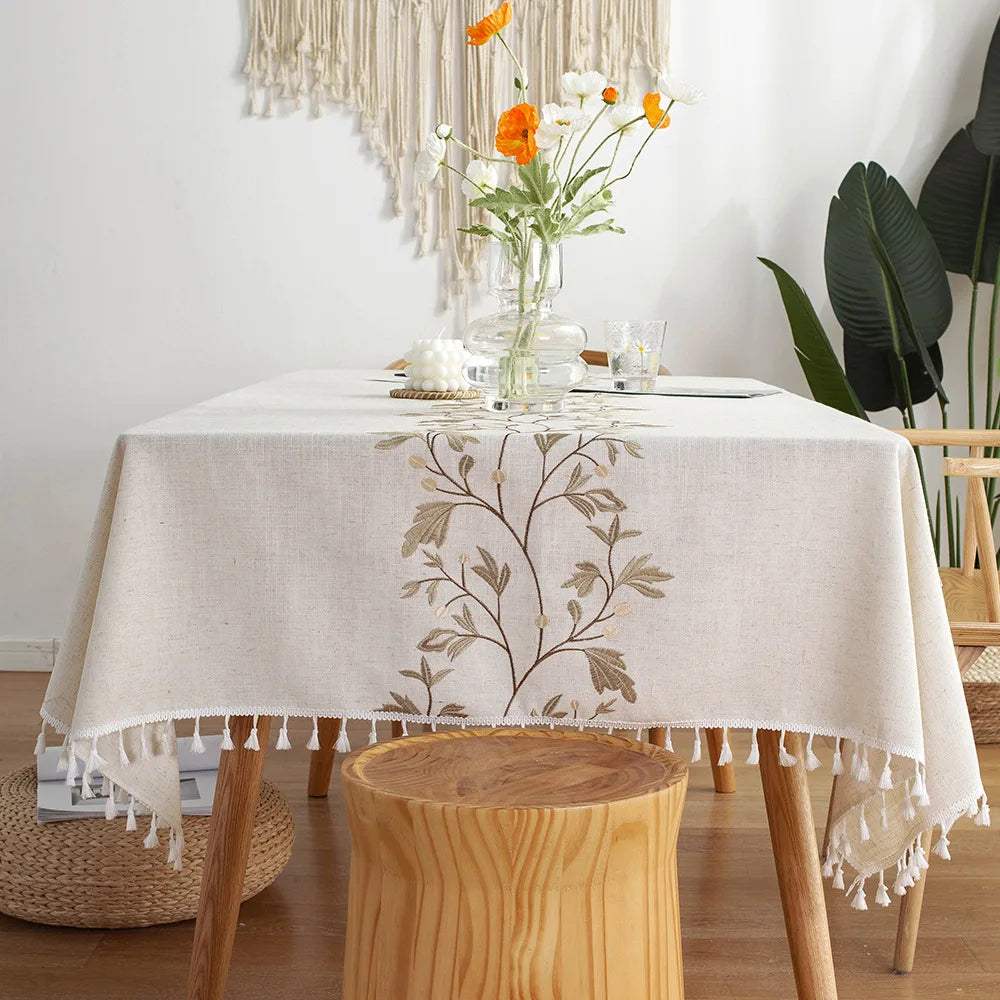
Natural or natural-looking materials work particularly well because they catch the light without shining. A slightly dry linen, a washed cotton, a subtle boucle, a supple knit, or a denser canvas add depth while remaining easy to integrate.

Building a Light Palette that Stays Lively
The trap is believing that a light living room should be limited to a single color. In reality, a successful beige living room uses several close shades: ivory, sand, greige, light hazelnut, soft brown, sometimes a hint of dusty olive or warm gray. This layering creates a deeper visual experience without disturbing the ambiance.
The trends observed in home linen trends follow the same logic: the interiors that seem most elegant are rarely those that multiply strong contrasts. They are those that master half-tones and materials well.
| Living Room Base | Textiles to Add | Effect Achieved | Common Mistake |
|---|---|---|---|
| White Living Room | Ecru, sand, soft brown | More warmth without yellowing the room | Adding black too quickly everywhere |
| Light Beige Living Room | Taupe, natural linen, muted olive | More mature depth | Staying with a single, flat beige |
| Greige Living Room | Chalk, light mocha, matte cotton | Quiet depth | Transitioning to cold, metallic gray |
Adding Rhythm to the Sofa Without a Catalog Effect
A light sofa doesn't need eight cushions to appear well-styled. Often, three or four are enough, provided they are well-chosen. The ideal is to mix a large, relatively calm cushion, another slightly more textured one, and then a denser accent. This structures the seating without giving the impression of a forced setup.
The throw then plays the role of a connector. It should not be treated as a forgotten blanket, nor as a theatrical drape. Draped loosely over an armrest or a corner, it breaks the rigidity of the sofa and gives the impression of a more lived-in, and thus more welcoming, living room.

What the Living Room Says in the Evening
A beige or white living room is rarely judged only in broad daylight. In the evening, when the light dims, the volumes change. This is where materials truly make a difference. A well-designed room retains depth under warmer light, whereas an overly smooth living room suddenly seems empty or a little stark.
Before adding another decorative object, observe your living room at the end of the day. If everything seems to blend into a single block, it probably lacks texture, an intermediate tone, or a textile capable of catching the light differently. This simple test avoids many unnecessary purchases.
Conclusion
In a beige or white living room, depth isn't achieved with a shocking color. It's built in fine layers: shade upon shade, texture upon texture, matte material against softer material. It's this balance that creates a warm and not merely neutral room.
If your living room seems too smooth, start by rethinking the textiles before redoing everything else. It's often the most cost-effective, quickest, and most visible adjustment.