
Autumn Decor 2026: Nine Simple Ideas for Home
Louis MikolajczakAutumn doesn't require redoing the entire house. A few well-chosen changes—a deeper palette, more prominent textiles, softer light, and a warmer table setting—are enough to evolve the atmosphere.
As the days grow shorter, the interior naturally takes center stage again. Yet, the goal of a successful autumn decor is not to transform every room into a seasonal set. A pleasant home in autumn remains bright, breathable, and true to its style. The season should be suggested rather than imposed.
The most effective approach is to focus on what you touch and see first: colors, materials, the bed, the sofa, and the dining table. This is precisely where home linens can alter an ambiance without renovations, new furniture, or multiplying decorative objects.
1Choosing an autumn palette without darkening the home
Terracotta, chocolate brown, cognac, rust, ochre, olive green, or burgundy work particularly well at this time of year. But a common mistake is to use all these colors at once. The result can quickly appear dark and cluttered.
A simple method is to keep about two-thirds neutral tones—ecru, beige, sand, off-white, or natural wood—then choose one main color and one accent color. A beige living room, for example, can receive a few touches of terracotta and a deep brown. In a room that is already dark, a soft camel paired with cream textiles will often yield a more balanced result.
2Warming up the living room with two or three well-chosen textiles
The sofa is often the largest textile surface in the living room, making it the ideal starting point. There is no need to change the furniture. A new combination of cushions and a throw is enough to create a more autumnal reading of the room.
On a light sofa, for instance, mix a brown cushion, another in a rust shade, and a third in a textured ecru. On a dark sofa, do the opposite: bring in more beige, cream, or sand to preserve the light. Also, vary textures rather than patterns: ribbed fabric, bouclé, chunky weaves, subtle velvet, or textured cotton can coexist without creating a catalog effect.
The throw looks best when it appears used rather than perfectly staged. Draped over an armrest or a third of the seat, it adds a soft visual layer. To go further, you can find our cushion covers and sofa throws, or consult our guide on how to pair sofa throws and cushions.
3Prioritize materials before multiplying objects
A home feels warmer when the eye encounters several levels of texture. This is especially useful in autumn, as the feeling of comfort doesn't rely solely on color. An entirely beige room can feel very enveloping if linen, waffle cotton, knit, wood, and a denser weave interact with one another.
Try working in layers: a smooth surface, a soft material, and a more structured material. On a bed, this could be light bedding, a textured throw, and a few cushions. On a table, a plain tablecloth can host a table runner with a visible weave. In the living room, a simple sofa becomes richer thanks to textiles of different reliefs.
4Transforming the bedroom into a sanctuary, without cluttering the bed
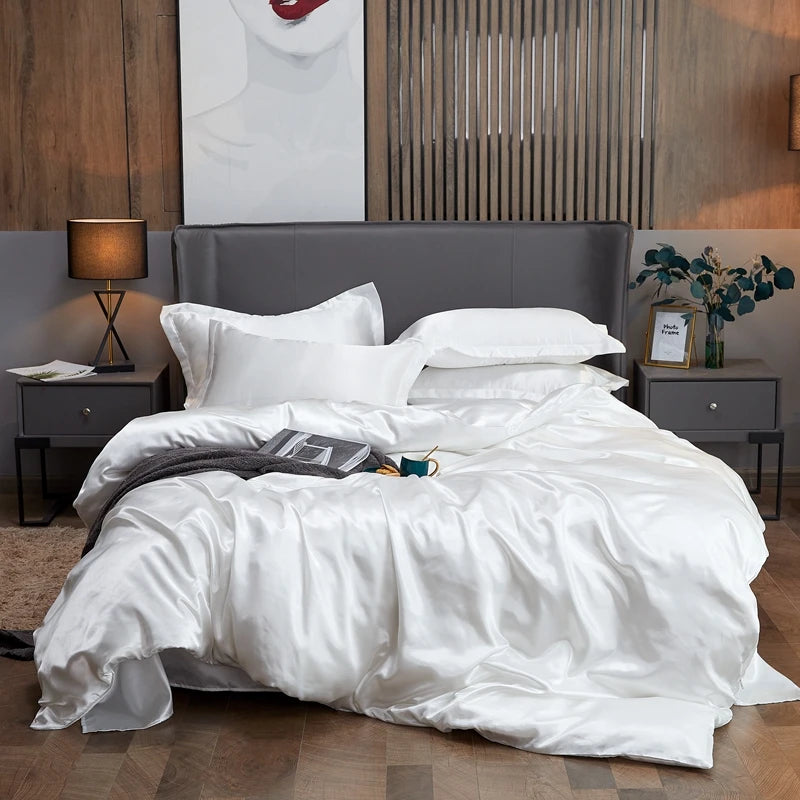
 A base of light linens, a few brown accents, and a textile placed at the foot of the bed are enough to set an autumnal mood without weighing down the bedroom.
In the bedroom, autumn is first and foremost a sensation: the desire to slip into bed. To achieve this, it is often more elegant to keep relatively light bedding and add depth with top layers rather than making the entire bed dark.
Ecru, beige, or taupe bedding forms an excellent base. Then, add one or two pillowcases in a warm shade, followed by a bed throw placed across the foot of the bed. The contrast between the light linen and a chocolate, hazelnut, rust, or camel shade immediately adds more depth.
The bedroom must, however, remain simple. Four rows of cushions and three layered blankets make for a spectacular photo, but are impractical for daily life. For a result that is truly pleasant to live with, keep only the layers you will actually use.
5Creating an anchor point in each room
Decor looks more coherent when one element naturally draws the eye. In autumn, this anchor point can be the sofa, the bed, the table, or even large curtains. It avoids scattering small seasonal touches everywhere.
In the living room, for example, choose the sofa as the focal area and leave shelves almost unchanged. In the bedroom, concentrate the colors on the bed. In the dining room, make the table the heart of the atmosphere. This approach creates a calmer home and also makes it easy to revert to a lighter decor in the spring.
For small rooms, this is even more important: a single coherent textile set creates more impact than several mini-decorations scattered about. The eye immediately understands the composition, while the rest of the space retains breathing room.
6Softening the light rather than darkening the room
A "cocooning" atmosphere doesn't mean living in the gloom. In autumn, natural light is already diminishing, so it is better to supplement it than to block it. During the day, keep windows as clear as possible. In the evening, multiply low-height light sources: a small lamp, table lamp, or reading light provide softer illumination than a single overhead light.
Candles can complete this atmosphere on a table or console, provided they are used sparingly. They work particularly well with natural tones because their light highlights the textures of wood, linen, and woven fabrics.
7Setting an elegant, livable autumn table
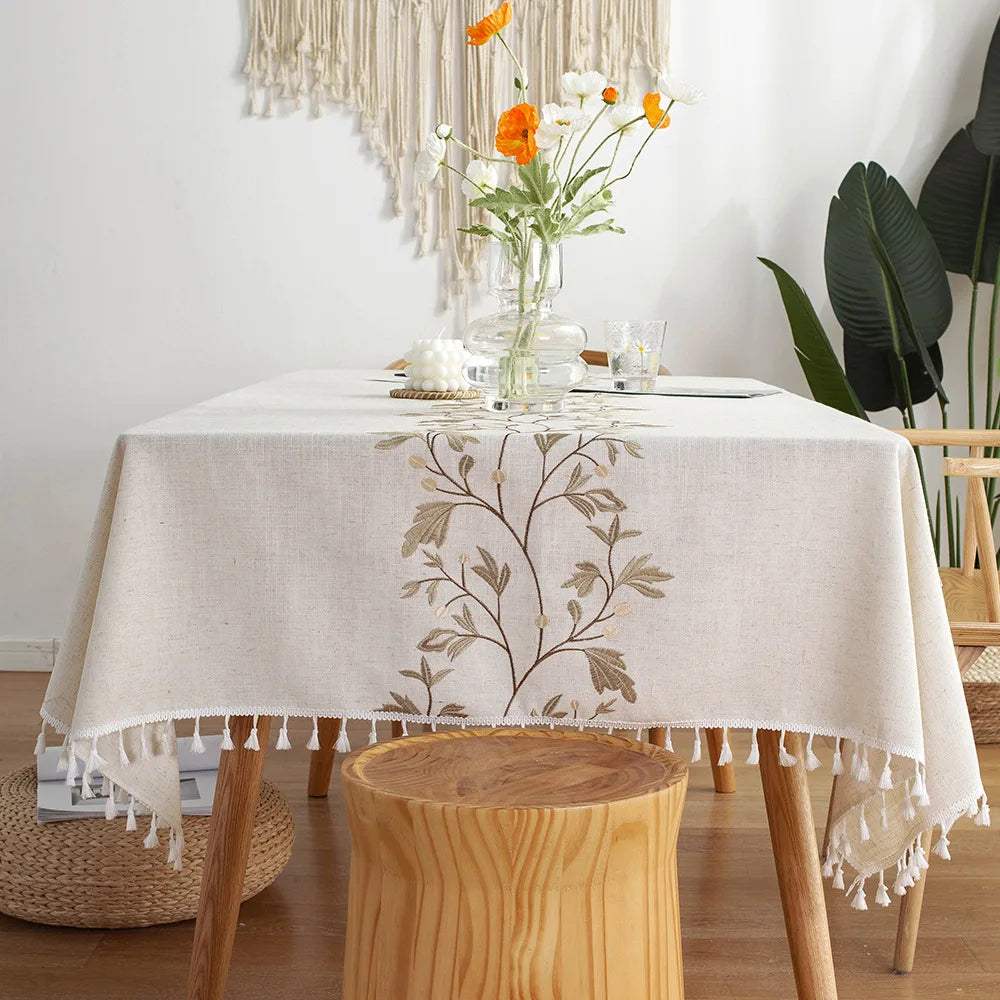
 An autumn table can remain very understated: a light base, a brown textile in the center, and a few natural elements are enough to set the mood.
The table is one of the places where the season can express itself most naturally. For daily use, there is no need for an elaborate setup. A tablecloth with a nice drape, a contrasting table runner, or a few placemats are enough to immediately give the dining area more presence.
An ecru or beige base allows you to maintain brightness. Then add a brown, caramel, or terracotta table runner. Tableware can remain white or neutral; it is precisely this simplicity that will highlight the textiles. A few branches, seasonal fruits in a bowl, or a stoneware vase provide organic touches without turning the table into a permanent decor center.
If your table is used daily, prioritize a setup that is easy to remove and put back. A beautiful table is only worthwhile if it remains compatible with a Tuesday night meal.
8Bringing in the season with natural elements
Autumn colors are already present outside. Incorporating them in a simple form allows you to naturally link the house to the season: a few leafy branches, dried stems, apples or pears in a large bowl, nuts in a small dish, or a ceramic vase are enough.
The secret is to avoid an accumulation of seasonal symbols. A branch with russet leaves in a vase will often have more impact than several small leaf or pumpkin-shaped decorations. This also makes the decor more sustainable: as the season progresses, simply replace the plant rather than the entire setting.
Pair these elements with authentic materials—wood, stoneware, glass, textile fibers—to keep the atmosphere mature, understated, and easy to integrate into a contemporary interior.
9Leave space: the detail that makes autumn decor look upscale
In the pursuit of making a home warm, one can end up filling every surface. Yet, negative space is part of decor. A coffee table with two well-chosen objects, a sofa with three cushions instead of eight, or a bed where the textiles remain legible will often look more elegant.
Before adding something, look at what can be removed. The seasonal transition is a great time to simplify: pack away a few summer accessories, then introduce a limited number of warmer elements. The room then evolves without losing its identity.
This restraint also makes beautiful textiles more visible. When a cushion, throw, or tablecloth has true presence, it doesn't need to be surrounded by numerous accessories to stand out.
3 mistakes to avoid in autumn decor
The warmest interiors aren't necessarily those that use the most seasonal codes. Three excesses often recur.
Evolving your home to the rhythm of the season
Start with the room you use most and change only two or three elements. A well-chosen cushion cover, throw, or table textile can be enough to bring in autumn without calling your entire decor into question.
Discover Orea bestsellersFrequently asked questions about autumn decor
Which colors should I choose for an autumn 2026 decor?
Terracotta, chocolate brown, caramel, rust, ochre, olive, and burgundy shades pair easily with an ecru, beige, or sand base. To keep the home bright, choose one or two accent colors rather than the entire palette.
How can I decorate my home for autumn without buying everything?
Keep your furniture and base decor. Focus on changing the most visible textiles first: cushion covers, sofa throws, bedding, table runners, or tablecloths. Then add a few natural elements and adjust your lighting.
When should I start my autumn decorating?
There is no mandatory date. The transition can begin as soon as the evenings grow cooler and you feel the need for more enveloping textiles. A gradual evolution is often more natural than a complete change in a single day.
How can I make a living room warmer in autumn?
Start by creating contrast on the sofa with cushions of different textures and a throw. Add low-level accent lighting and keep a light base to avoid visually shrinking the space.
In summary: beautiful autumn decor relies less on quantity than on precision. A concise palette, several textures, soft light, and a few well-placed textiles are enough to make a home more welcoming. By letting the rooms breathe, the atmosphere remains warm today and easy to adapt when winter arrives.