
Earthy Home Colours: Warmth Without Dark Rooms
Louis MikolajczakEarthy Colors in Decor: Embracing Them Without Darkening Your Home Thanks to Textiles
Terracotta, clay, soft brown, ochre, caramel, rust: earthy colors are making a comeback because they bring warmth and character. They also offer a refreshing change from interiors that are too white or too gray.
However, these shades can quickly darken a room if used excessively. A terracotta wall, a dark rug, heavy curtains, and brown cushions in the same room can create a very enveloping atmosphere, but sometimes too dense for everyday living.
The right approach is to use earthy colors as accent points. They work very well with home linens, cushions, throws, and small textile surfaces, especially when balanced with lighter tones. This logic complements our advice on soothing bed linen colors.
Table of Contents
The right dosage: one earthy color, not the whole room
Earthy colors are powerful because they seem close to natural materials: terracotta, wood, leather, clay. They don't need to be everywhere to make an impact. A terracotta cushion or an ochre throw can be enough to change the visual temperature of a light living room.
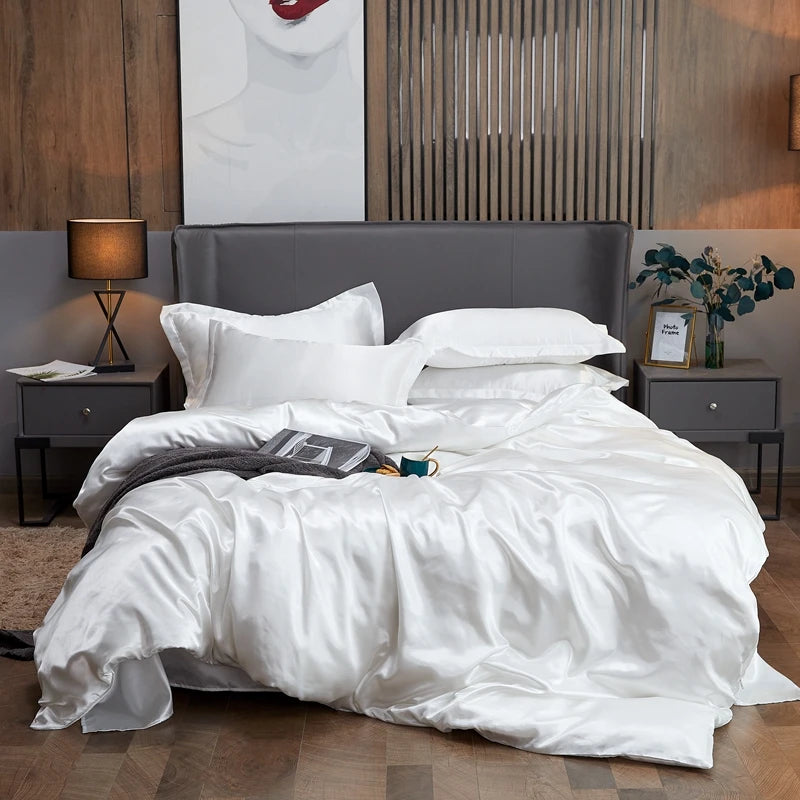
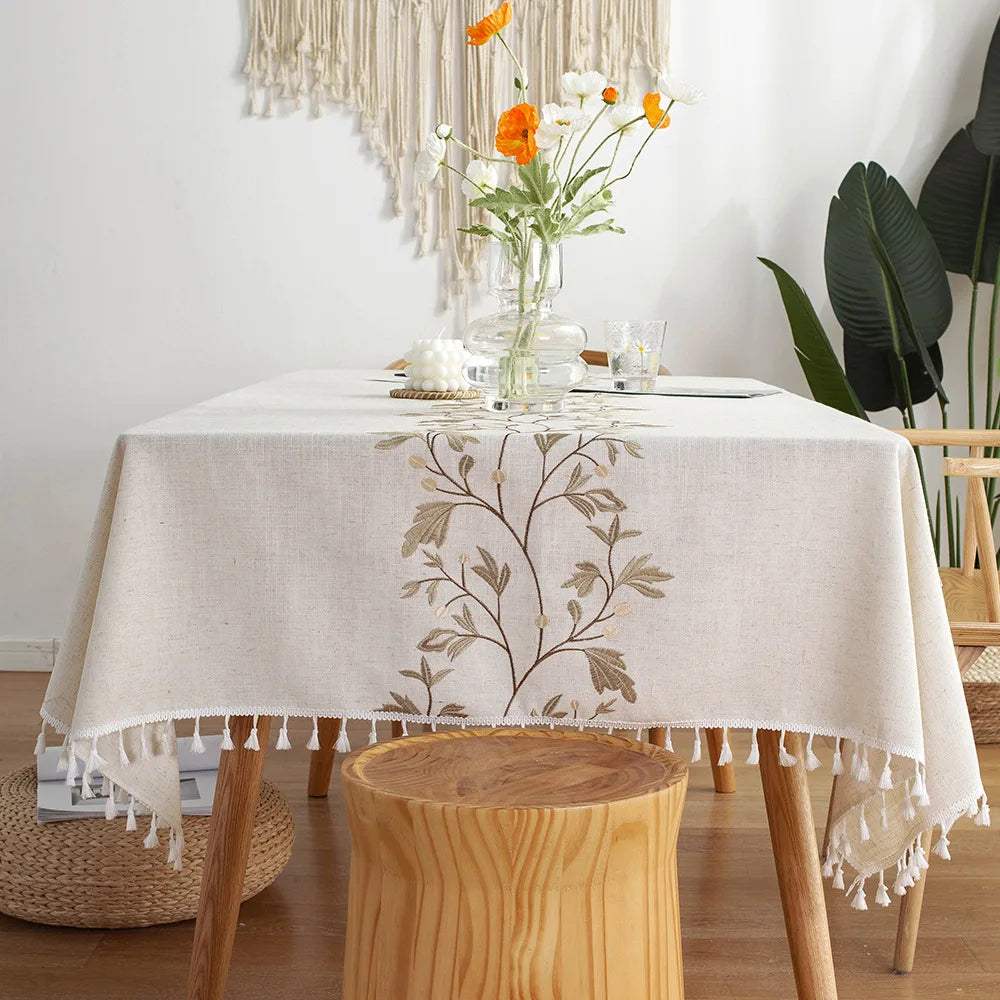
In a bedroom, a soft brown pillowcase or a clay throw adds depth to ecru linen. In a dining room, a terracotta table runner can warm up a very minimalist table. The principle is simple: maintain a bright base and introduce color as a controlled accent.
- Light base to preserve light.
- Earthy accent on one or two textile surfaces.
- Matte materials to avoid an overly decorative effect.
- Subtle reminder in an object, wood, or ceramic.
Materials that make these colors more elegant
An earthy color can gain depth on a matte or textured material. Linen, thick cotton, certain wools, raw ceramic, or natural wood modify how light interacts with the color.
This is particularly noticeable with textiles. The same shade of rust can look very different on a smooth fabric, velvet, or a mottled material. The choice should therefore focus as much on texture as on color.

What colors to associate them with?
Earthy colors easily pair with off-whites, beiges, muted greens, smoky blues, and many natural browns. With a very cool gray or optical white, the contrast will simply be more pronounced: this is not forbidden, but you should check the effect in the room.
To keep a bright home, allow the color to breathe. A terracotta and ecru living room can remain very bright if the rug, curtains, and sofa stay in soft tones. To build the palette around the sofa, our guide cozy living room: combining sofa throw and cushion covers provides a practical method.
| Earthy Color | Soft Association | Suitable Room | To Watch Out For |
|---|---|---|---|
| Terracotta | Ecru, natural linen | Living room, entryway | Accumulation of very dark tones |
| Soft Ochre | Off-white, light wood | Bedroom, dining room | Competition with other intense yellows |
| Clay Brown | Sage, warm beige | Living room, bedroom | Lack of contrast in a dark room |
Where to use them safely
The living room is often an easy place to test these shades: cushions, throw, rug, or textile lampshade. In the bedroom, a small surface like a throw or a pillowcase allows you to test the color before extending it to a large duvet cover.
The dining room also embraces clay tones well, especially with wood and a minimalist table. A light tablecloth with an ochre or terracotta table runner creates a warm atmosphere without overwhelming the room.

Adopting them gradually
If you like these colors but are afraid of getting tired of them, start with textiles. A cushion, a throw, or a table runner is easier to change than a wall. This also allows you to test the shade with your actual light.
The tips for changing your covers seasonally without buying everything new apply well here. For an even more global approach, the slow living decor page shows how to limit changes without making the home feel bland.
Conclusion
Earthy colors are useful for visually warming up an interior. They bring a depth that neutrals alone do not always offer but benefit from being balanced with light and calmer surfaces.
By introducing them through textiles and observing their rendering in the actual room, it is possible to give character to the home without darkening it.