-
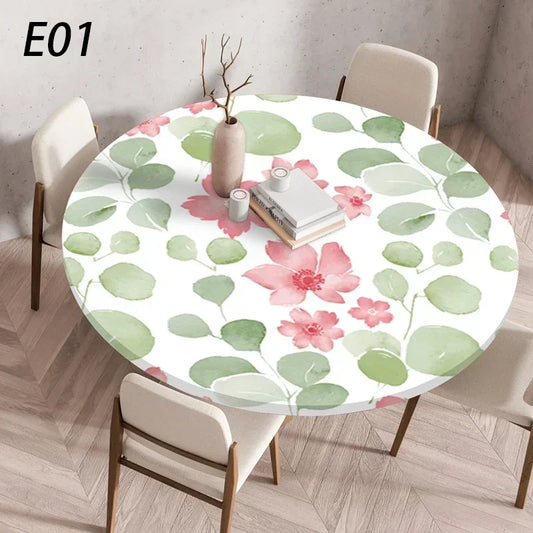
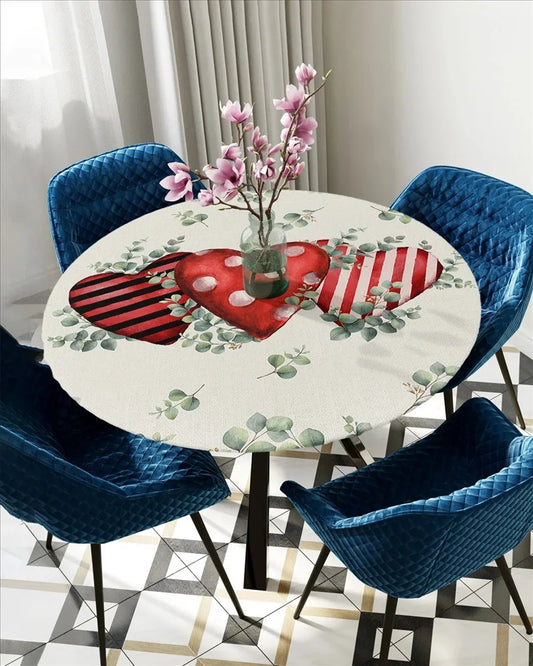
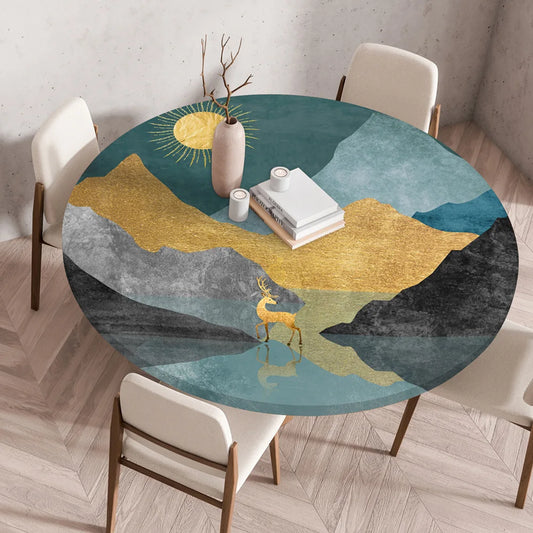
Waterproof outdoor round tablecloth
Regular price From €19,90 EURRegular priceUnit price per€0,00 EURSale price From €19,90 EUR -
Waterproof picnic blanket
Regular price From €13,90 EURRegular priceUnit price per -
Rectangular waterproof tablecloth
Regular price From €25,90 EURRegular priceUnit price per -
Waterproof fabric tablecloth
Regular price From €26,90 EURRegular priceUnit price per -
Waterproof outdoor round tablecloth
Regular price From €19,90 EURRegular priceUnit price per -
Waterproof tablecloth
Regular price From €19,90 EURRegular priceUnit price per -
Waterproof round tablecloth
Regular price From €25,90 EURRegular priceUnit price per -
Outdoor waterproof tablecloth
Regular price From €31,90 EURRegular priceUnit price per -
Stain-resistant waterproof tablecloth
Regular price From €19,90 EURRegular priceUnit price per -
Outdoor waterproof tablecloth
Regular price From €26,90 EURRegular priceUnit price per -
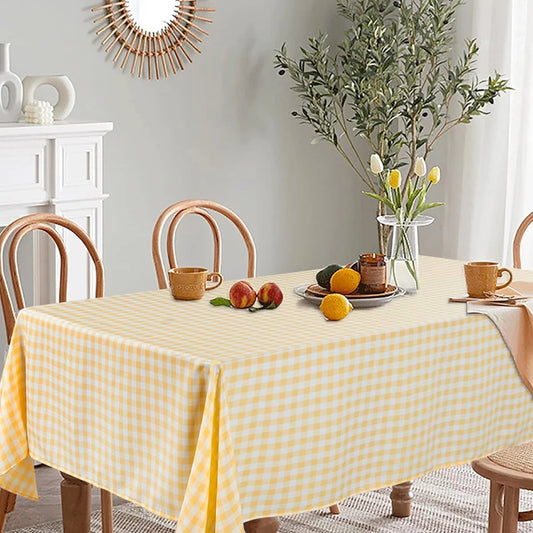
Rectangular waterproof tablecloth
Regular price From €20,90 EURRegular priceUnit price per€0,00 EURSale price From €20,90 EUR

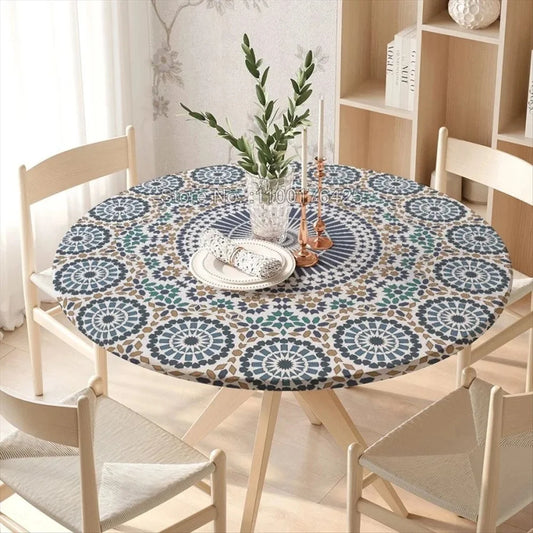

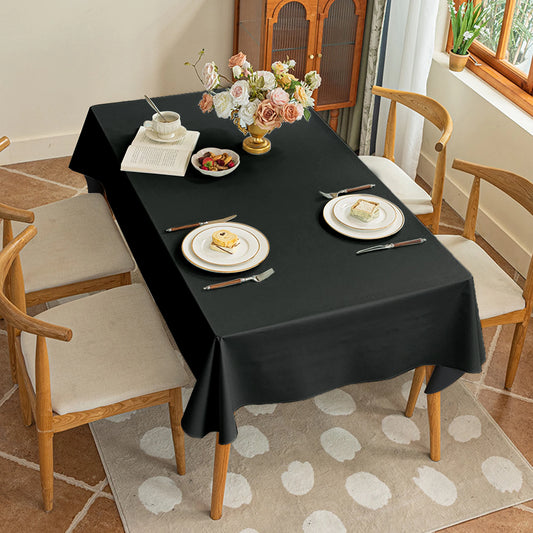


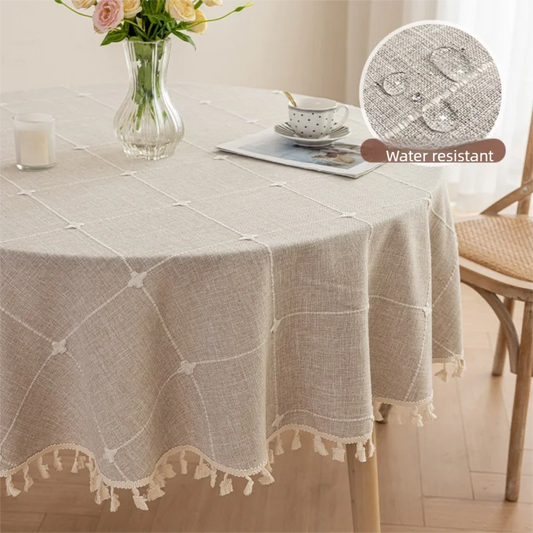

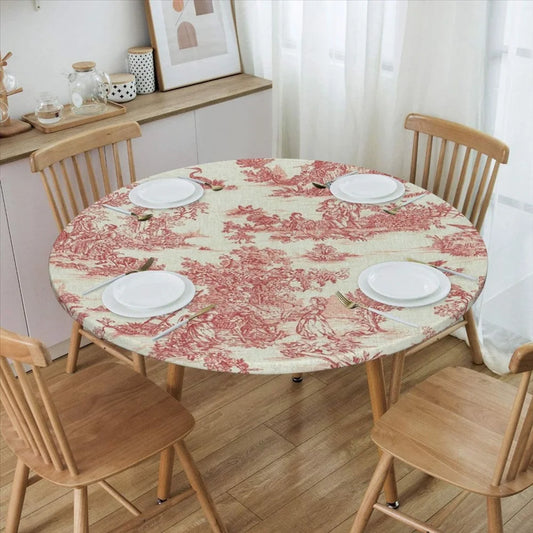

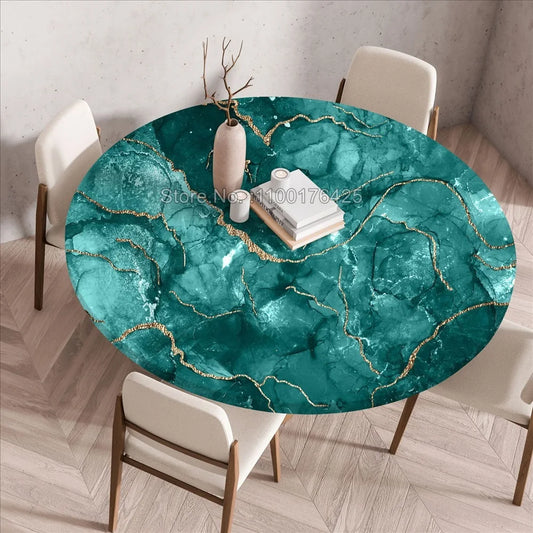

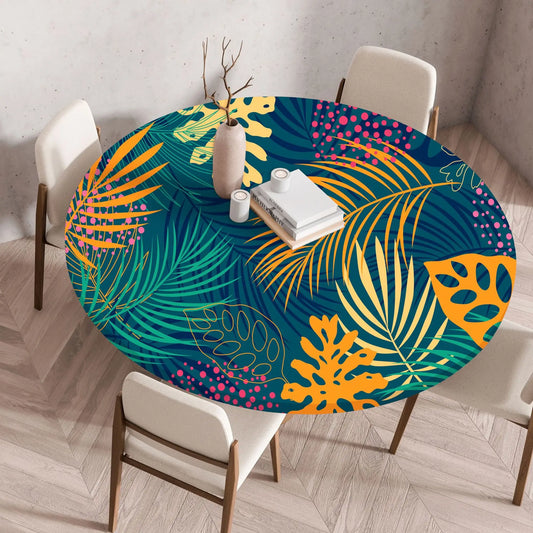




Collection: Waterproof tablecloth
A waterproof tablecloth to protect the table without sacrificing style
A waterproof tablecloth is designed to simplify daily meals while preserving the table's appearance. Its benefit is simple: limiting liquid penetration, making it easy to wipe up after a spilled glass, and protecting the tabletop with more peace of mind during meals. It naturally finds its place in a kitchen, dining room, on a patio table, or during a lively lunch with children.
At Maison Orea, this collection brings together models selected to combine protection, ease of maintenance, and decor. Finishes, compositions, thicknesses, and levels of resistance may vary according to the specific item: therefore, each product page remains the best place to verify the precise features before making your choice.

Why choose a waterproof tablecloth for everyday life?
A table is a true living space: we eat there, sometimes work there, help with homework, host loved ones, and place numerous objects on it throughout the day. Choosing a tablecloth that is more resistant to spills allows you to enjoy this space with greater peace of mind. When a liquid remains on the surface instead of being immediately absorbed, it is generally simpler to wipe it up quickly with a soft cloth.
This practicality does not mean you have to choose a tablecloth with a purely utilitarian look. Current models can feature natural shades, floral patterns, contemporary inspirations, or very sober finishes. An elegant waterproof tablecloth can therefore become a real decorative element, just like a table runner or placemats.
Waterproof, water-repellent, or stain-resistant: what are the differences?
These terms are similar but do not always describe exactly the same performance. A surface that is waterproof is designed to act as a barrier against water or liquids under conditions provided by the manufacturer. A water-repellent finish aims primarily to cause liquid to bead on the surface so there is time to wipe it away. The term stain-resistant can designate a treatment or a material that makes it easier to remove certain types of dirt.
In practice, effectiveness depends on the material, the coating, wear and tear, and the type of liquid. It is therefore best not to consider all tablecloths as equivalent. For each model, check the maintenance and usage instructions indicated on its product page, especially if you are looking for a tablecloth for intensive use, for outdoors, or for a table used several times a day.
Which tablecloth shape to choose?
The shape influences both the visual appearance and the comfort of use. For a square or rectangular table, a tablecloth with straight lines generally offers an even drape. If your table is round, a round tablecloth better complements the shape of the top. For a table with curved ends, also check out our collection of oval tablecloths. Finally, the rectangular tablecloth models remain particularly versatile for large family tables.
The right reflex: measure the tabletop before ordering. Note its length and width, or its diameter, then add the desired overhang on each side. A moderate overhang offers a practical result for daily use; a more generous overhang creates a dressier look for formal meals.
How to choose the right size?
A tablecloth that is too short can seem disproportionate, while a very long tablecloth can become less practical if it gets in the way of legs or easily gets caught in chairs. To find a balance, measure your table precisely and think about the intended use. For a daily meal, an overhang of about 20 to 30 cm on each side often serves as a comfortable visual reference, without being an absolute rule. For a reception, some may prefer a larger overhang.
Example: for a rectangular table of 140 × 200 cm with a desired overhang of 25 cm, a tablecloth close to 190 × 250 cm will theoretically give a 25 cm overhang on each edge. The actual dimensions offered differ depending on the model: choose the variant that best matches your actual need rather than relying solely on the commercial name.
Which material and finish to favor?
There is not just one way to make a waterproof tablecloth. Some items use a textile backing with a protective treatment, others a smoother surface or a synthetic coating. The feel, flexibility, way it sits on the table, and visual result can therefore be very different from one model to another.
A more flexible finish can be interesting if you are looking for a tablecloth that drapes naturally around the table. A more structured or thicker surface can give a feeling of reinforced protection, although thickness alone is not a performance indicator. A matte finish often blends more easily into soft or natural decor; a shinier surface can provide a cleaner look and accentuate certain patterns.
The best choice depends above all on your usage. For a heavily used kitchen table, daily maintenance is often the priority. For a dining room, the decorative aspect and drape become more important. For a patio, you must also check if the item is well-suited for outdoor use.

An interesting solution for the kitchen, dining room, and outdoors
In a kitchen, a waterproof tablecloth can be particularly appreciated when the table is used several times a day. In a dining room, it provides a decorative result while maintaining practical protection. For a balcony, patio, or garden, it can also be an interesting option, provided the model is clearly indicated as suitable for this use.
If your priority is outdoor use, also discover our selection of outdoor tablecloths. Even when a material withstands humidity, it remains advisable to bring the tablecloth inside in case of prolonged bad weather or strong winds, unless otherwise indicated by the manufacturer. This helps preserve its appearance, colors, and coating for longer.
Which waterproof tablecloth for your needs?
For daily meals: prioritize a model that is easy to wipe, in a color or pattern that visually handles minor daily marks.
For a family with children: look above all for a surface that is practical, stable, and simple to clean after meals or creative activities.
For hosting: focus more on the drape, the finishes, and the harmony with tableware, napkins, and the centerpiece.
For outdoors: check for compatibility with this use and avoid assuming that water resistance automatically means permanent resistance to UV rays or harsh weather.
How to integrate a waterproof tablecloth into your decor?
For natural decor, favor beige, ecru, sand, sage, or terracotta tones and pair them with wood, matte ceramic, and clear glass. A more contemporary table can accommodate a solid, graphic, or contrasting tablecloth, while a floral pattern immediately brings a more romantic touch. The tablecloth can become the visual foundation for the entire table: the choice of tableware then allows you to vary the atmosphere without changing the table linens.
If your tablecloth already has a bold pattern, keep the rest of the table simpler: neutral tableware, solid napkins, and a light centerpiece. With a sober tablecloth, you can, on the contrary, play more with the colors of glassware, candles, or accessories. To explore all our styles, the tablecloth collection allows you to compare different materials, shapes, and styles.
How to maintain a waterproof tablecloth?
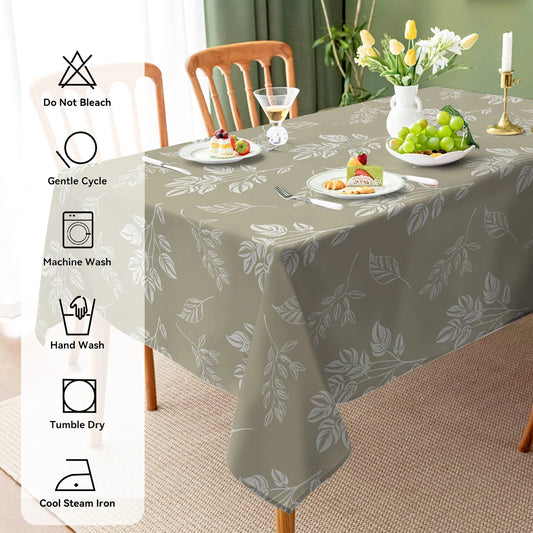
The right reflex is to act quickly after a stain. First, absorb the liquid with a cloth or soft sponge, without rubbing aggressively. For common dirt, lukewarm water and a mild cleaner may be sufficient when allowed by the manufacturer. Avoid abrasive sponges and very harsh products, which could damage a protective finish or a printed pattern.
Machine washing, ironing, tumble drying, or the use of powerful stain removers are not necessarily suitable for all waterproof tablecloths. Always follow the instructions on the product page and the care label. For storage, a tablecloth rolled or folded without excessive compression limits the appearance of deep marks. If creases form, do not apply high heat without having verified that the material allows it.
What criteria to look at before purchasing?
Start with the usage: daily meals, children's table, reception, kitchen, or outdoors. Then check available dimensions, shape, composition, and care instructions. Thickness can also influence flexibility and feel, but a thicker tablecloth is not automatically more suitable for all needs. The nature of the backing, edge finish, presence of a coating, and how the material handles liquids are all useful points to compare.
Finally, consider the room's style. A tablecloth is a large visual surface: it can soften dark furniture, bring color to a bright kitchen, or structure a dining table. Choosing a model you truly like increases the chances of using it often, rather than reserving it only for special occasions.
Waterproof tablecloth and oilcloth: are they the same thing?
Not necessarily. An oilcloth traditionally refers to a textile or support covered with a protective layer, whereas a waterproof tablecloth can use different constructions and different materials. Some oilcloths are waterproof, but not all waterproof tablecloths are necessarily oilcloths.
If you are specifically looking for the look and ease of cleaning associated with this type of coating, check out our Oilcloth tablecloth collection.
A practical tablecloth for family meals and heavily used tables
Meals with children, weekend brunches, or large gatherings often require easy-to-live-with protection. A waterproof tablecloth prevents turning every splash into an emergency: it generally leaves more time to wipe and reset the table. It is also a relevant choice for a multifunction table that serves for eating, drawing, crafting, or teleworking during the same day.
However, a tablecloth does not replace all possible protections. Very hot dishes, sharp objects, or containers likely to leave a mark may require a trivet, a placemat, or additional protection. The goal is to preserve both the tablecloth and the tabletop underneath. On a delicate, varnished, antique, or moisture-sensitive piece of furniture, also check that the underside of the chosen model is suitable for your table material and avoid leaving water trapped between the two surfaces.
Common mistakes to avoid
Choosing only based on the pattern is tempting, but dimensions and usage must remain the priority. A very beautiful but poorly fitted tablecloth will be less pleasant to use on a daily basis.
Confusing water resistance with total resistance is another common mistake. A tablecloth that protects against liquids is not necessarily designed to withstand a scorching hot pan, sharp objects, or permanent sun exposure.
Cleaning too aggressively can also reduce the lifespan of the coating. To maintain the surface's appearance, it is better to act quickly with mild products and follow the instructions specific to the model.
Frequently asked questions about waterproof tablecloths
Does a waterproof tablecloth completely protect a table?
It helps limit liquid penetration, but the level of protection depends on the model, its coating, and its condition. Wipe up any spilled liquid promptly and follow the usage recommendations on the product sheet.
Can a waterproof tablecloth be used outdoors?
Yes, when the model is indicated as suitable for outdoor use. However, water resistance does not necessarily mean lasting resistance to UV rays, wind, or bad weather.
How do I remove a stain from a waterproof tablecloth?
Act quickly with a soft cloth and follow the care instructions. Avoid abrasives and solvents unless specifically indicated by the manufacturer.
How can I prevent the tablecloth from slipping?
Choosing the right size with an even drop helps stabilize the setup. Depending on the table, an underlay or compatible anti-slip accessories can also be useful.
Which waterproof tablecloth should I choose for a table used every day?
Prioritize ease of maintenance, a well-suited size, and a style that is easy to integrate into your room. Then check the composition and specific product recommendations.
Our blog articles
View all-

Quelle taille de nappe choisir selon sa table ?
Quelle taille de nappe choisir ? Formule, retombée idéale et tableaux pratiques pour table ronde, carrée, ovale ou rectangulaire.
Quelle taille de nappe choisir selon sa table ?
Quelle taille de nappe choisir ? Formule, retombée idéale et tableaux pratiques pour table ronde, carrée, ovale ou rectangulaire.
-

220x240 Bedding Set: choose it for a luxurious bed
Is a 220x240 bedding set suitable for your bed? Dimensions, drape, materials, and styling tips for a harmonious bed.
220x240 Bedding Set: choose it for a luxurious bed
Is a 220x240 bedding set suitable for your bed? Dimensions, drape, materials, and styling tips for a harmonious bed.
-

Back-to-school table: create an everyday dining...
Transform your back-to-school table into a practical and welcoming dining area. Tablecloth, storage, lighting, and tips to ease your days.
Back-to-school table: create an everyday dining...
Transform your back-to-school table into a practical and welcoming dining area. Tablecloth, storage, lighting, and tips to ease your days.


