-
Round oilcloth tablecloth
Regular price From €19,90 EURRegular priceUnit price per€0,00 EURSale price From €19,90 EUR -
Clear PVC tablecloth
Regular price From €28,90 EURRegular priceUnit price per -
Designer oilcloth tablecloth
Regular price From €5,90 EURRegular priceUnit price per -
Rectangular oilcloth tablecloth 140x200
Regular price From €5,90 EURRegular priceUnit price per -
Thick oilcloth tablecloth
Regular price From €39,90 EURRegular priceUnit price per -
Oilcloth tablecloth
Regular price From €19,90 EURRegular priceUnit price per -
Oilcloth by the metre
Regular price From €16,90 EURRegular priceUnit price per -
Oilcloth outdoor tablecloth
Regular price From €16,90 EURRegular priceUnit price per€0,00 EURSale price From €16,90 EUR

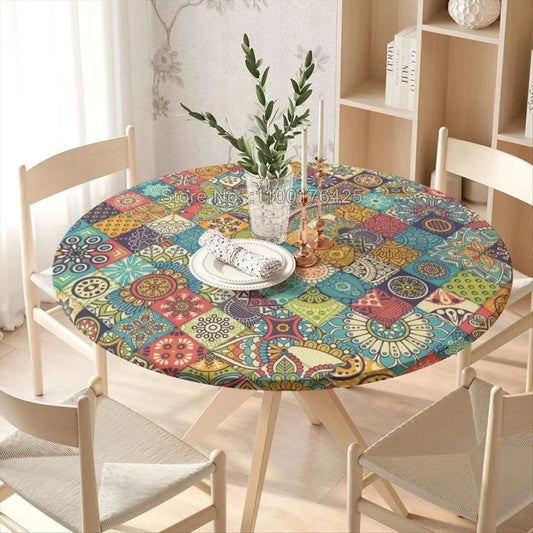

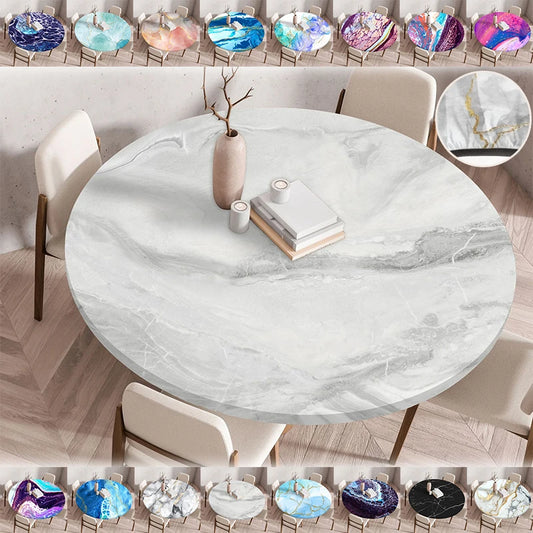

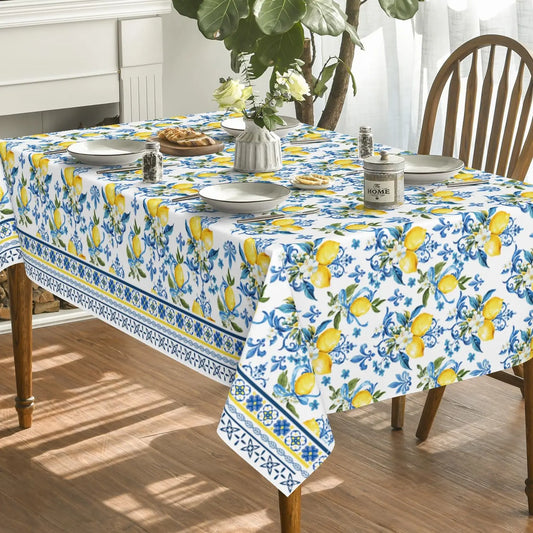

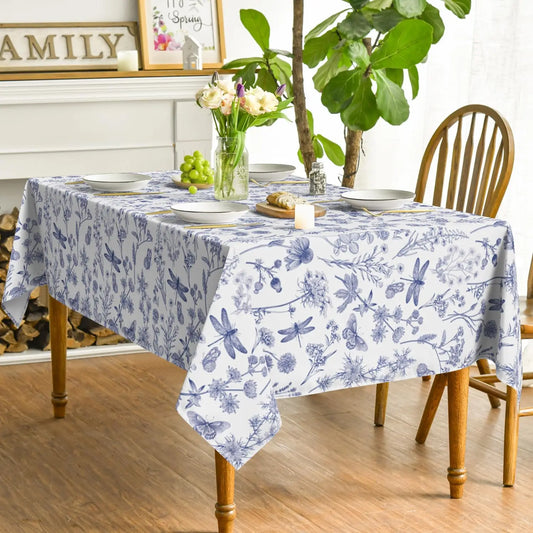

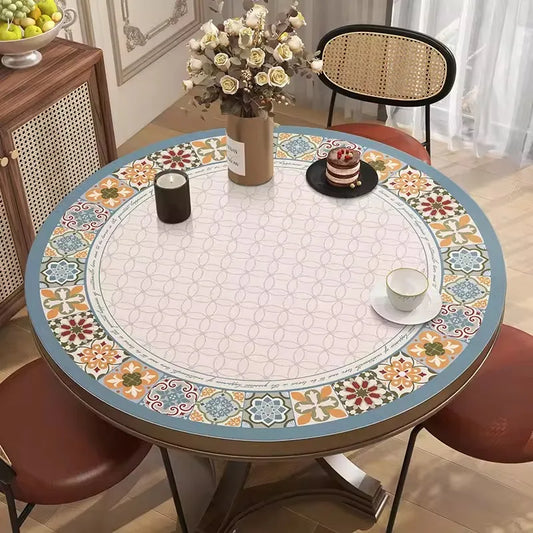

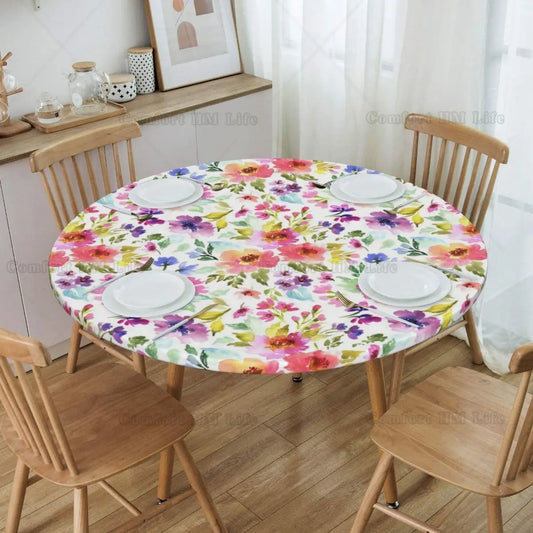

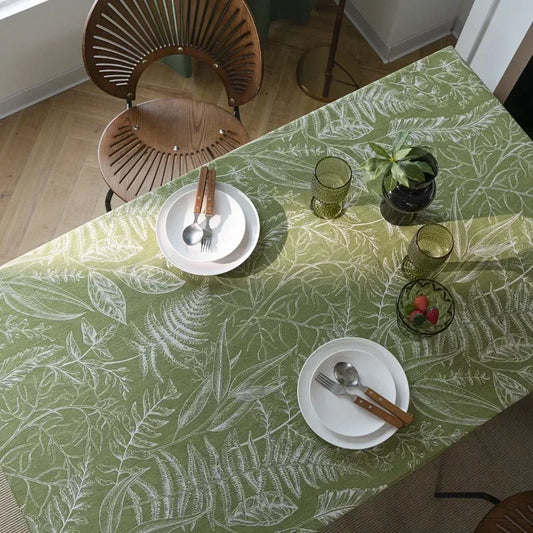

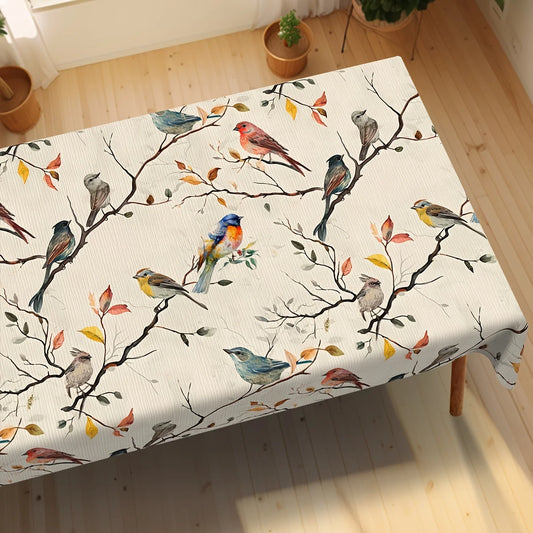
Collection: Oilcloth tablecloth
Oilcloth tablecloths: the perfect combination of table protection and effortless decor
The oilcloth tablecloth is one of the most practical solutions for dressing a table used on a daily basis. Its coating generally makes it easy to wipe away spills and minor messes, while its many patterns allow you to quickly transform the ambiance of a kitchen, dining room, or outdoor eating area.
This Maison Orea collection brings together models of varied styles, formats, and compositions. Depending on the product, the material may offer a softer feel, a smoother surface, a matte or glossy finish, and different levels of protection. The goal is to help you find an oilcloth that is beautiful, practical, and suited to your actual use.

What is oilcloth?
Originally, the term "oilcloth" (toile cirée) referred to fabric made less permeable through the application of a protective layer. Processes and materials have evolved significantly: today, the term is commonly used to describe tablecloths with a coated or laminated surface that is easy to clean, distinguishing it from a standard absorbent textile.
It is this protective surface that explains the success of oilcloth on family tables. When a bit of water, juice, or sauce is spilled, it is usually possible to act quickly before the mess penetrates deeply. It thus offers a compromise between decoration and simplified maintenance, which is particularly appreciated for everyday meals.
Why choose an oilcloth tablecloth?
The first advantage is simplicity. A traditional textile tablecloth may require regular washing, especially if it is light-colored or used every day. With an oilcloth, common stains can often be removed using a cloth or soft sponge, which reduces chores between meals. It is a particularly attractive choice when you want a table that is clean quickly, without complicated maintenance.
The second advantage is aesthetic. Long associated with a purely functional image, oilcloth now comes in much more varied styles. A subtle pattern can add texture to a minimalist room, while a botanical, Provençal, or graphic print can become the highlight of the decor. The tablecloth can change the atmosphere of a dining area without changing the furniture.
Round, rectangular, or oval oilcloth: choosing based on your table
A good tablecloth naturally follows the proportions of the tabletop. For a round table, browse our selection of round tablecloths: a suitable cut provides a more even drop and avoids superfluous fabric in the corners. On a long or family-sized table, rectangular tablecloths are often the easiest to adjust. For a table with rounded ends, an oval tablecloth better highlights the furniture's shape.
The ideal shape is one that follows the tabletop while leaving a comfortable drop. However, it is not mandatory to seek a perfect match if you prefer a more relaxed or dressed-up look. The main thing is that the dimensions remain compatible with daily use and the chairs.
How to calculate the ideal size for your tablecloth?
First, measure the tabletop without considering any extensions not in permanent use. For a rectangular table, note the length and width; for a round table, measure the diameter; for an oval table, measure the two main axes. Then add the desired drop for each side. For daily use, a drop of about 20 to 30 cm is often visually pleasant and practical, but this reference can be adjusted to your furniture.
For example, a 140 × 200 cm table with a 20 cm drop would theoretically require a tablecloth close to 180 × 240 cm. If the exact size is not offered, choose the available dimension that best matches the desired result. Also, check how the pattern is positioned: on some prints, a larger format allows you to better appreciate the design.
Which oilcloth finish should you choose?
Not all oilcloths have the same feel or appearance. Some are very soft and drape easily around the table; others have a firmer, smoother, or slightly textured surface. Depending on the item, the finish can be matte, satin, glossy, or closer to a textile look.
A matte finish blends easily into natural or contemporary decor, while a glossier surface can accentuate a pattern's colors and provide a clean look. A softer cloth is often appreciated for its drape, while a more structured surface may seem more substantial on the table. Thickness, however, should not be the only criterion: the composition, quality of the coating, and intended use are just as important.
How to recognize an oilcloth suited to your use?
Start by looking at the composition and the type of coating indicated on the product page. Some tablecloths have a very soft, textile feel, while others have a smoother or more structured surface. A clean edge finish, consistent printing, and suitable dimensions are also important.
Then think about the frequency of use. For a kitchen table used morning, noon, and night, the priority will often be maintenance and resistance to small messes. For a dining room, aesthetics may take precedence. For outdoor use, check that the item is intended for that environment; an oilcloth that is water-resistant is not automatically designed to remain permanently in the sun, rain, or wind.
Which oilcloth for your everyday life?
For a family kitchen: prioritize a surface that is easy to wipe clean and a pattern versatile enough to remain pleasant to look at every day.
For meals with children: prioritize practicality, a size that stays stable on the table, and simple cleaning after minor accidents.
For a dining room: give more importance to the pattern, the drape, and how the tablecloth coordinates with your tableware.
For a terrace or balcony: always check the outdoor use indications for the chosen model.
Oilcloth vs. waterproof tablecloth: what’s the difference?
The two concepts often overlap, but they are not strictly synonymous. "Oilcloth" primarily describes a type of coated or laminated backing, whereas "waterproof tablecloth" first describes a desired property: preventing or limiting the passage of liquids. An oilcloth can therefore be waterproof, but a waterproof tablecloth may be manufactured in other ways.
If your main criterion is protection against liquids rather than the appearance of the material, also discover our Waterproof tablecloth collection.
Oilcloth for the kitchen, family meals, and creative activities
Oilcloth is particularly useful when the table is not used only for eating. Drawing, painting, modeling clay, baking, or small crafts can take a toll on the tabletop. A surface that is easy to wipe creates a more relaxed space that is simpler to tidy up, especially with children.
However, it is still advisable to add specific protection for activities involving cutting tools, glues, solvents, permanent paints, or very hot objects. An oilcloth primarily protects against the uses for which it was designed: it does not replace a trivet or dedicated crafting protection.
In an open-plan kitchen or living area, the choice of pattern is even more important as the table remains visible all day. Natural tones or a small, repeating pattern blend easily into existing decor. For a table you want to showcase more, a bolder print can, on its own, replace several decorative accessories.
How to choose the pattern and color?
Oilcloth occupies a large visual space in the room. A very bold pattern can therefore become the focal point of the decor, while a subtle design will be easier to overlook. To visually enlarge a small room, light backgrounds and light patterns are often easier to integrate. In a large space, more generous prints or deep colors can add more character.
Floral and botanical patterns create a soft or rustic atmosphere; geometric shapes suit contemporary decor well; beige, sand, ecru, or sage hues naturally complement wood and natural materials. Blue can evoke a seaside spirit, while terracotta or olive shades easily provide a warm, Mediterranean ambiance.

How to decorate a table with an oilcloth?
A busy-patterned tablecloth works well with simple tableware, transparent glasses, and solid-colored napkins. If the background is white, beige, or ecru, wooden accessories and natural fibers reinforce a warm ambiance. The idea is to let the pattern breathe rather than piling up too many competing elements on the table.
With a solid-colored oilcloth, you can add a table runner to structure the center, or use placemats to create contrast. To explore a wider range of materials and styles, our tablecloth collection allows you to compare different solutions for dressing your dining area.
How to clean and maintain an oilcloth tablecloth?
To preserve the coating, opt for gentle maintenance. After the meal, remove crumbs and wipe away marks with a non-abrasive sponge or damp cloth. If necessary and allowed by the manufacturer's instructions, add a small amount of mild soap. Rinse the area and dry the surface to prevent moisture from becoming trapped when the tablecloth is placed on sensitive furniture.
Avoid abrasive products, bleach, solvents, and harsh stain removers by default. Excessive heat can also alter certain coatings: do not place a pot or dish straight from the oven directly on the tablecloth; use a trivet. Machine washing and ironing depend entirely on the model; always consult the specific instructions before considering them.
Can oilcloth be used outdoors?
Many oilcloths are appreciated on a terrace, balcony, or garden table because their surface is practical to clean. However, one must distinguish resistance to spills from resistance to prolonged exposure to the elements. UV rays can alter certain colors, while stagnant water and temperature variations can accelerate the aging of a coating.
If you want a tablecloth primarily intended for the garden, consult our collection of outdoor tablecloths and check the indications for each model. When there is no indication that a tablecloth can remain outside permanently, it is best to store it after use and let it dry completely before folding it.
Properly storing your oilcloth to minimize creases
An oilcloth may get marked if it remains tightly folded for a long time. If you have enough space, rolling it around a clean tube is often a good solution. Otherwise, make loose folds and avoid stacking heavy objects on top of it. When you reinstall the tablecloth, let it relax naturally at room temperature.
Do not use a very hot iron to try to remove a crease without verifying the manufacturer's instructions. Some coatings do not tolerate direct heat well. Gentle handling helps preserve the surface, flexibility, and appearance of the pattern for longer.
Common mistakes to avoid with oilcloth
Choosing a size that is too small is one of the most common mistakes. Without sufficient overhang, the tablecloth can look poorly proportioned and slide more easily.
Using overly aggressive cleaning products can dull the pattern or damage the coating. It is better to act quickly and gently rather than letting a stain set and then scrubbing hard.
Systematically exposing the fabric to high heat is also discouraged unless otherwise indicated. A trivet remains useful even on a tablecloth designed to be low-maintenance.
Frequently asked questions about oilcloth tablecloths
Is an oilcloth truly waterproof?
Many models offer a good barrier against liquids, but performance depends on the construction and the coating. Always refer to the specifications on the product page.
How do I remove a stain without damaging the surface?
Clean quickly with a cloth or soft sponge and a compatible product. Avoid scrubbing with abrasive materials and test any unusual cleaner on an inconspicuous area.
What overhang should I choose for an oilcloth?
An overhang of about 20 to 30 cm is a common benchmark for daily use, but you can adapt it to the height of the table, the chairs, and the desired style.
Is an oilcloth suitable for a wooden table?
It can be suitable, but check that the underside and the coating are compatible with the furniture's finish. Avoid leaving moisture trapped between the tablecloth and a delicate tabletop.
Which oilcloth should I choose for everyday use?
Prioritize a suitable size, an easy-to-clean surface, and a pattern you truly enjoy, as the tablecloth will often remain visible in your living area.
Our blog articles
View all-

Quelle taille de nappe choisir selon sa table ?
Quelle taille de nappe choisir ? Formule, retombée idéale et tableaux pratiques pour table ronde, carrée, ovale ou rectangulaire.
Quelle taille de nappe choisir selon sa table ?
Quelle taille de nappe choisir ? Formule, retombée idéale et tableaux pratiques pour table ronde, carrée, ovale ou rectangulaire.
-

220x240 Bedding Set: choose it for a luxurious bed
Is a 220x240 bedding set suitable for your bed? Dimensions, drape, materials, and styling tips for a harmonious bed.
220x240 Bedding Set: choose it for a luxurious bed
Is a 220x240 bedding set suitable for your bed? Dimensions, drape, materials, and styling tips for a harmonious bed.
-

Back-to-school table: create an everyday dining...
Transform your back-to-school table into a practical and welcoming dining area. Tablecloth, storage, lighting, and tips to ease your days.
Back-to-school table: create an everyday dining...
Transform your back-to-school table into a practical and welcoming dining area. Tablecloth, storage, lighting, and tips to ease your days.


