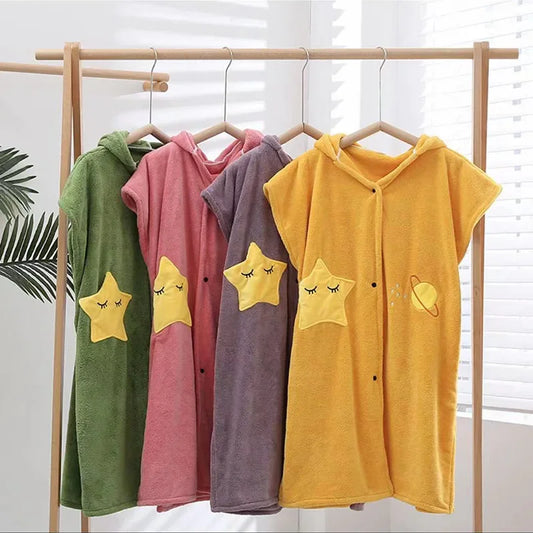
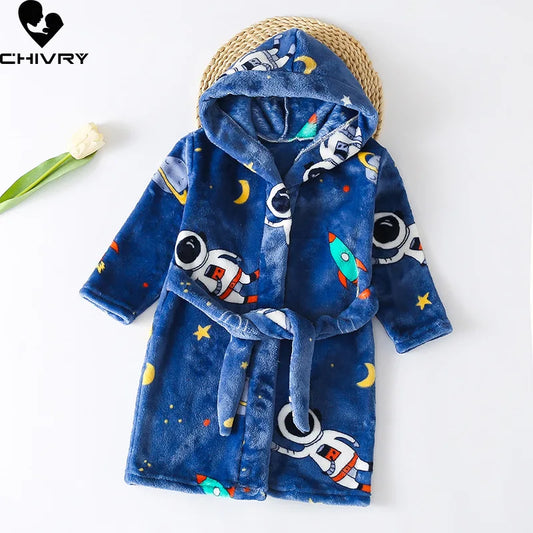
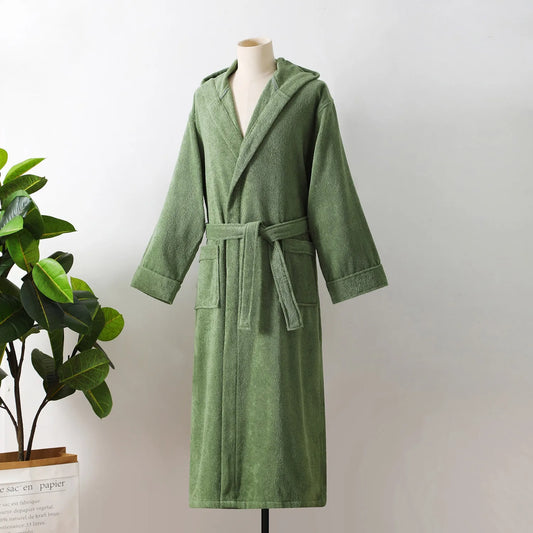
A bathrobe is much more than an alternative to a towel. It allows you to wrap yourself up immediately after a shower or bath while keeping your hands free, to take your time with your skincare routine, and to maintain a comfortable feeling of warmth. Its cut, material, length, and absorbency all determine its comfort as well as its style.
In this Maison Orea collection, the bathrobe is considered a true piece of bath linen: practical for daily use, comfortable to wear, and elegant enough to be left visible in a bathroom or bedroom. To choose the right model, it's useful to look beyond appearance and consider when, for how long, and in what conditions you intend to wear it.
A bathrobe designed as a true comfort garment.
Why wear a bathrobe after bathing?
Stepping out of the water, a bathrobe offers immediate coverage. Unlike a towel that you have to hold around your body, it moves with you, allowing you to do your hair, apply skincare products, or get your things ready without losing that comforting feeling of being wrapped up. It's particularly pleasant when the bathroom is cool or when you like to take a few minutes before getting dressed.
A bathrobe doesn't necessarily replace a bath towel. The two can be complementary: a towel to quickly remove excess water, then the bathrobe to stay warm. However, some very absorbent models can perform both functions, depending on the material and your preferences.
Terry cloth: prioritizing absorption
A terry cloth bathrobe evokes the comfort of hotel linen. Its loops can retain moisture and offer a plush feel. The denser the material, the more enveloping the sensation can be, but the garment also becomes heavier and may take longer to dry.
Velour or soft finish
Some bathrobes prioritize a particularly soft surface or a more dressed-up look. Depending on their construction, they may be more focused on comfort than pure absorption. Always check the inside and the composition to understand its true purpose.
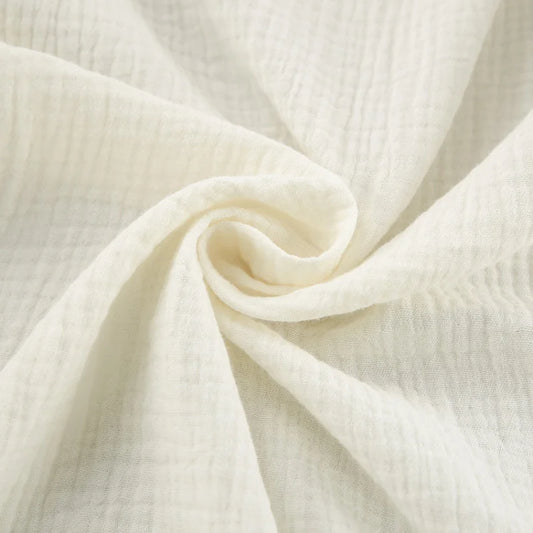
Lightweight materials
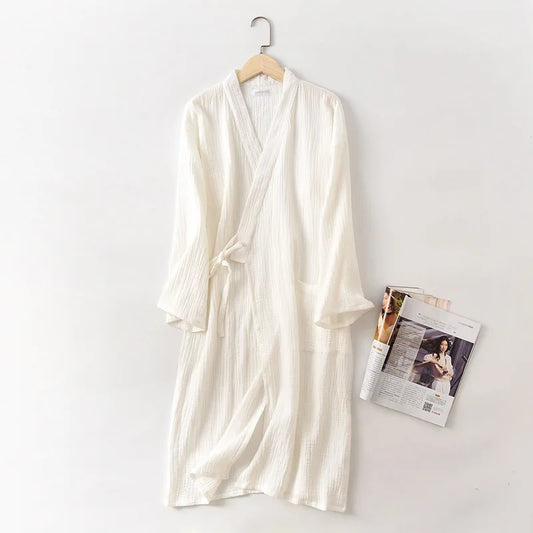
For summer, travel, or a well-heated room, a thinner bathrobe can be more pleasant. It takes up less space, generally dries faster, and is easier to transport. The choice therefore depends heavily on the season and when you'll be wearing it.
How to choose the right bathrobe size?
A bathrobe should offer enough room to close comfortably without the panels pulling at the bust or hips. A cut that is too tight quickly loses its appeal after a shower, while an excessively loose model can become heavy and hinder movement. Consult the specific measurements for each product rather than relying solely on your usual clothing size.
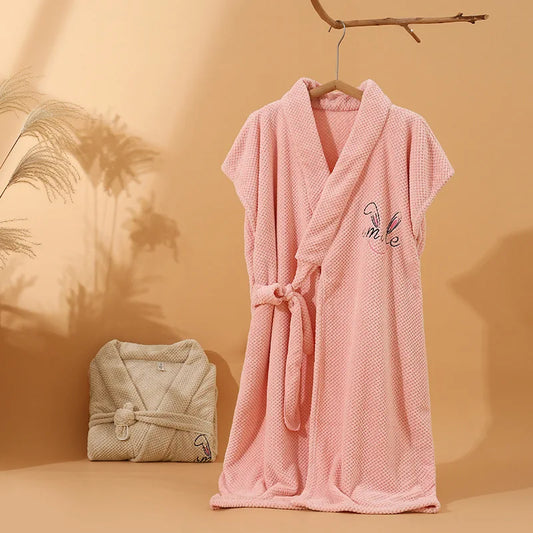
Length also matters. A short model is light, easy to wear, and practical for travel. A knee-length offers more coverage while remaining versatile. A longer bathrobe creates a very enveloping sensation, appreciated in winter or in a cool bedroom. The sleeves should allow for easy movement without constantly falling over your hands.
Tip: if you're torn between two sizes and primarily seeking a cozy feeling, generally prioritize roominess, while still checking the dimensions indicated on the product sheet.
Shawl collar, hood, or kimono cut?
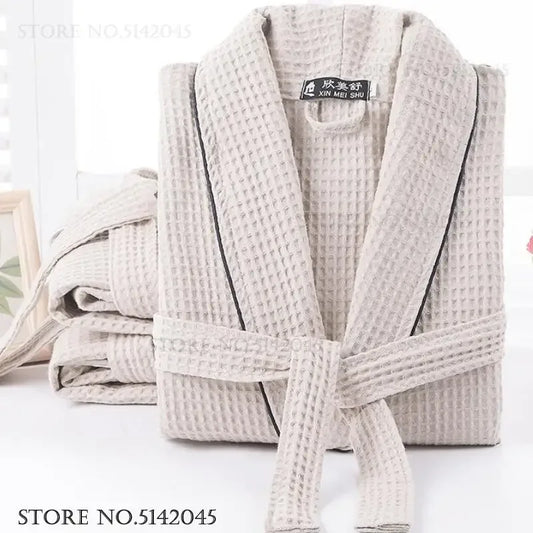
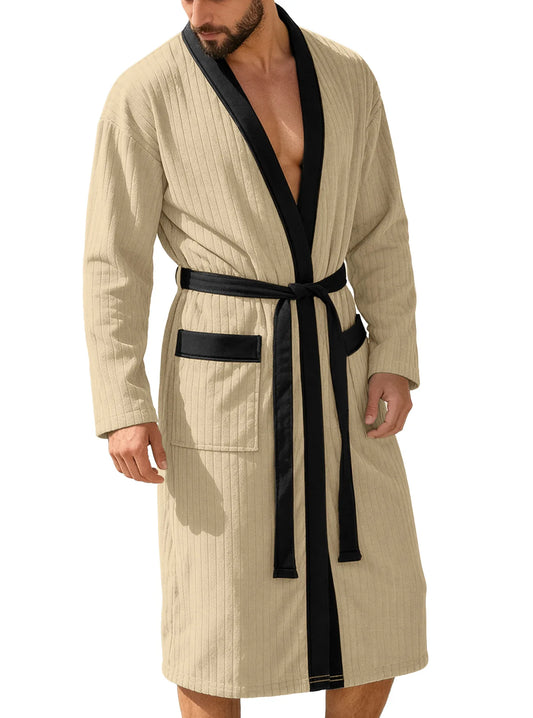
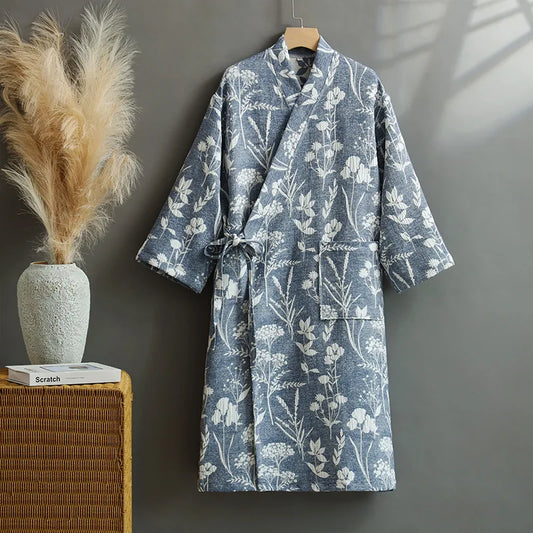
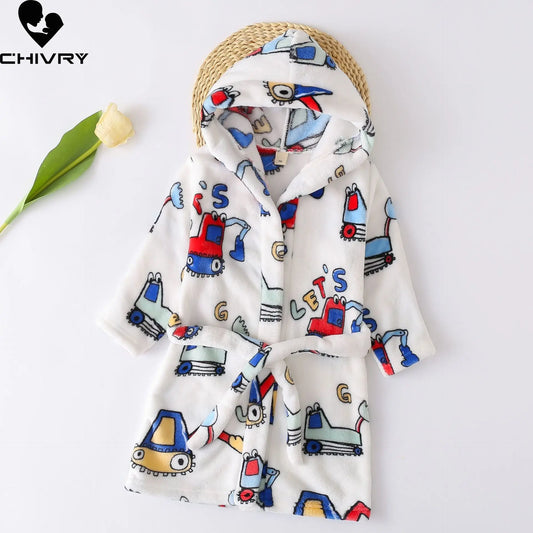
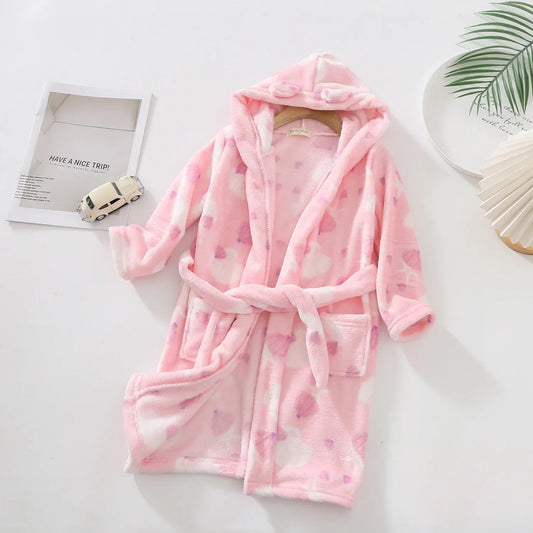
The shawl collar provides a classic look and gently wraps the neck. A hood can be pleasant after washing your hair, but it adds bulk and weight. The more streamlined kimono cut is often appreciated for its lightness and simple style.
The choice is primarily personal. If you already use a hair towel, a hood is not essential. If you like to move around the house in your bathrobe after showering, well-placed pockets and a stable belt may be more important.
Belt, pockets, and practical details
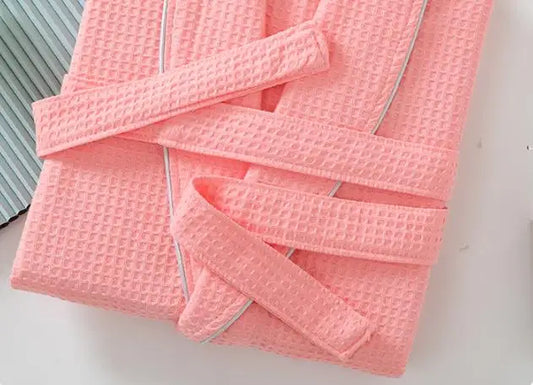
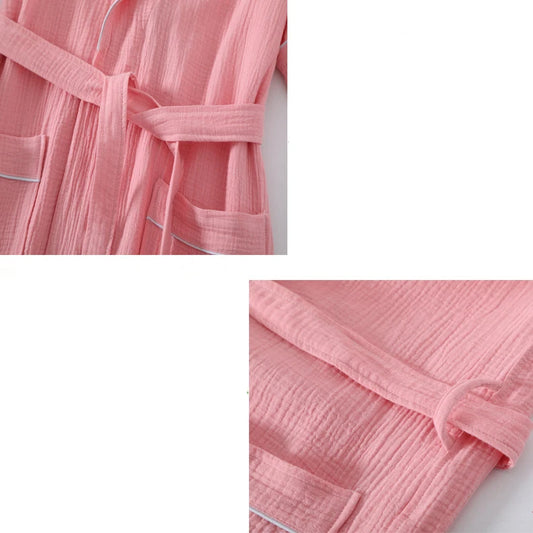
A belt long enough to be tied effortlessly, correctly positioned loops, and accessible pockets significantly improve daily use. Pockets can hold a phone, a hair tie, or small accessories when you move from the bathroom to the bedroom.
Also observe the seams at the shoulders, armholes, and pockets. These are areas that are stressed with each use. A simple but well-constructed bathrobe can be more pleasant over time than a very decorative but impractical model.
Absorbent or simply comfortable: define your priority
Two visually similar bathrobes can have very different functions. If you want to put it on directly over still-damp skin, opt for a material designed for absorption. If you dry yourself first with a bath sheet and then wear the bathrobe as loungewear, softness, lightness, and fit become priorities.
This distinction helps avoid disappointment. A very soft fabric is not necessarily the most absorbent; a very thick textile is not always the most comfortable for a long period. Choose according to your actual routine: immediate post-shower, spa moment, leisurely breakfast, getting ready before dressing, or simply as a relaxation garment.
A bathrobe for every season
In winter, a dense material and a longer cut provide a reassuring feeling when leaving a hot shower. Deep or natural tones also enhance this cozy atmosphere. In spring and summer, a lighter model is often more pleasant, especially in homes where the temperature rises quickly after showering.
If you only want one bathrobe all year round, look for a compromise: soft and absorbent enough for cooler months, but not so heavy that it becomes uncomfortable when it's warm. Your home's ventilation also matters. A material that dries well between uses is easier to live with daily.
Transforming your post-shower routine into a true well-being ritual
The bathrobe creates a transition between the bathroom and the rest of the day. After showering, you can wrap yourself up, dry your hair with a suitable towel, apply skincare, and let your skin finish drying naturally before getting dressed. This organization avoids rushing and helps keep your bathroom tidier.
For a consistent routine, keep a dedicated face towel, a clean hand towel, and your bathrobe nearby. Each of these textiles serves a different function and can be washed according to its own usage frequency.
How to wash and dry a bathrobe?
The first rule should always be to read the care label. The material, finishes, and certain details may require specific temperatures or drying methods. Close or lightly tie the belt so it doesn't tangle with other clothes in the drum, without tightening the garment.
Do not overload the machine, especially with a thick terry cloth bathrobe. It needs space to be rinsed properly. Excessive detergent or fabric softener can leave residues in the fibers. After washing, reshape the collar and pockets before drying so that the garment maintains a good shape.
A bathrobe must be perfectly dry before being stored. After each use, hang it on a sturdy hanger or a sufficiently wide hook rather than leaving it damp in a pile. This habit promotes aeration and limits odors related to persistent dampness.
Choosing a color and style that complements your interior
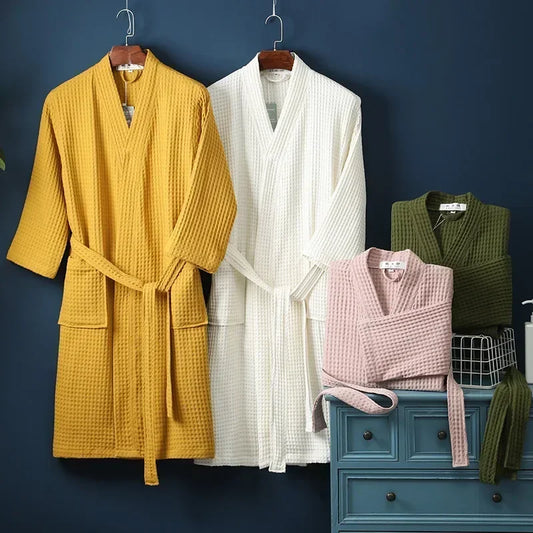
The bathrobe often remains visible on a hook or behind a door. It therefore becomes a visual element of the bathroom. Neutral colors – ecru, beige, sand, soft grey – easily coordinate with wood, stone, and ceramics. A bright white evokes the hotel world, while a dark shade creates an elegant contrast in a light room.
For a harmonious ensemble, you can match a color present in your towels or choose a complementary shade. Borders, piping, textures, and reliefs can add character without multiplying patterns. A simple bathrobe is also an excellent base if your bathroom already features decorative tiling.
Criteria to consider before choosing
UsageDirectly absorb water or simply stay warm?
MaterialPlush terry, soft finish, or lightweight fabric depending on your priorities.
CutLoose enough to move, without excessive material.
LengthShort for mobility, longer for warmth.
DetailsBelt, pockets, collar, and hood adapted to your routine.
DryingAn essential criterion if the bathroom is poorly ventilated.
Frequently asked questions about bathrobes
Can a bathrobe replace a towel?
Yes, if the bathrobe is absorbent enough and if this use suits you. However, many people prefer to remove some of the water with a towel and then put on the bathrobe to stay warm.
Should I choose a bathrobe with a hood?
It's not essential. A hood provides a cozy feeling and can absorb some moisture from the hair, but it adds weight. A dedicated hair towel might be more practical.
How to prevent a bathrobe from becoming too heavy?
Choose a density appropriate for your use and hang it generously after showering. A thick textile that remains damp can feel heavy; therefore, thorough drying between uses is important.
Is a bathrobe a good gift idea?
Yes, provided you have a general idea of the person's size and taste. Neutral colors and comfortable cuts are generally easy to give, especially when they fit into a bath or wellness theme.
Where to hang your bathrobe to keep it pleasant?
A bathrobe benefits from being hung up as soon as it's not being worn. A sufficiently wide hanger helps distribute the weight of the textile, while a sturdy hook remains practical if you lack space. Just avoid leaving a damp bathrobe folded behind a door or pressed against a wall for too long: air circulates less effectively, and drying can become uneven.
In a shared bathroom, assigning a fixed spot for each bathrobe also simplifies organization. You can coordinate the color with towels, accessories, or room materials so that the garment remains attractive even when visible. The bathrobe then becomes both a functional linen item and a natural element of the bathroom's ambiance.
Properly hung, the bathrobe remains accessible and naturally blends into the decor.