













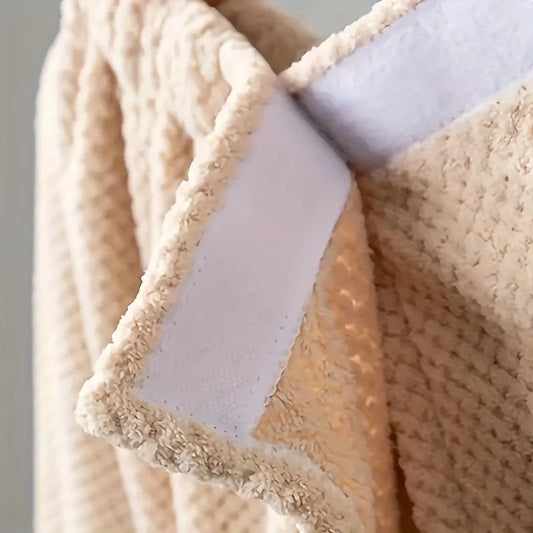
Turban style
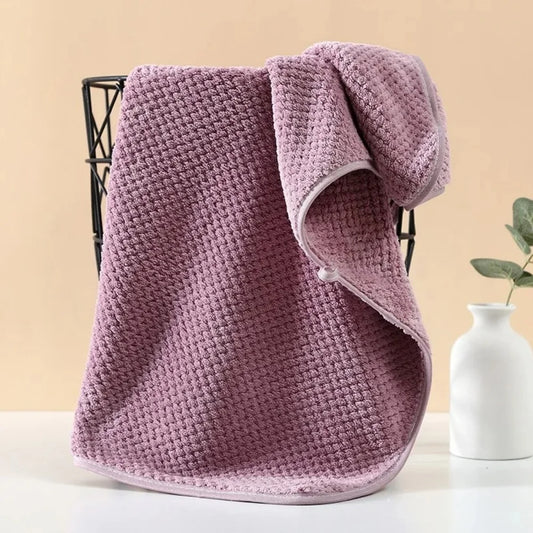
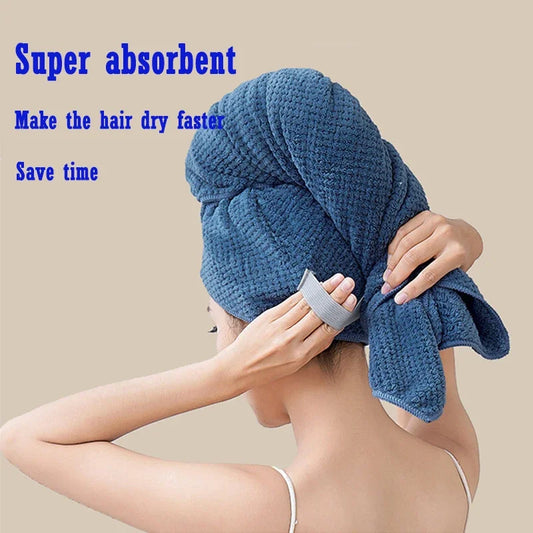
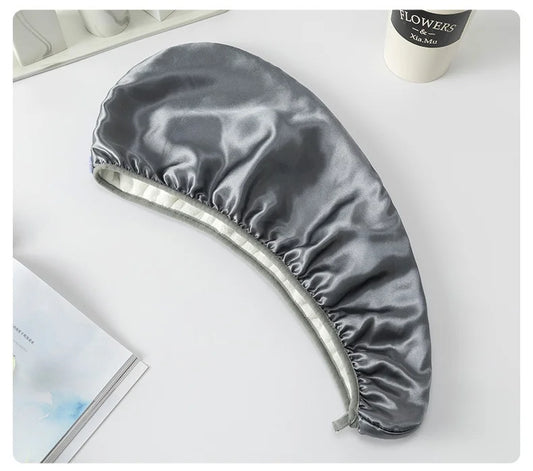
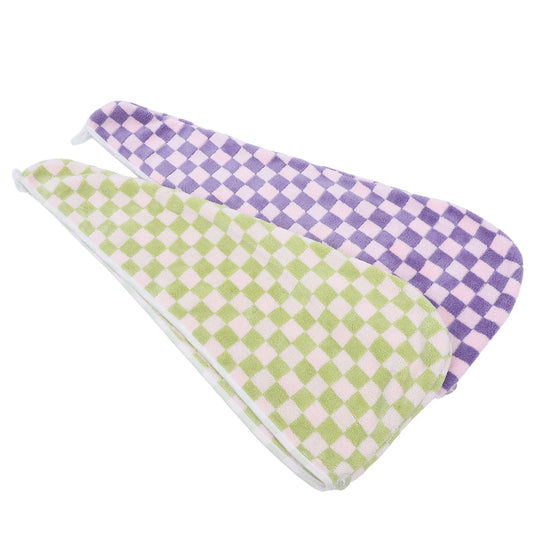
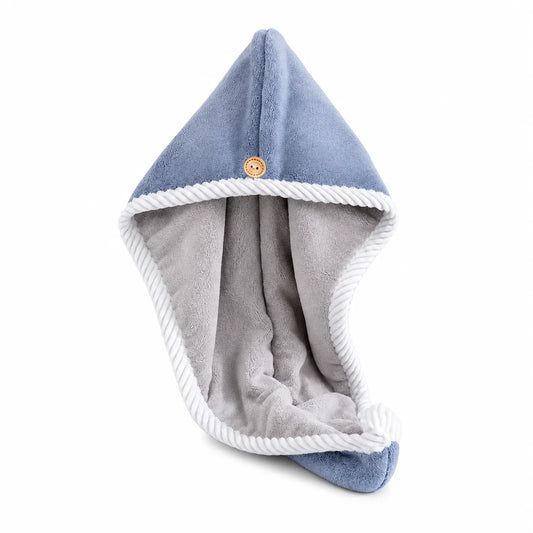
The turban follows the shape of the head and allows you to gather the length of your hair in a fabric pocket. It's ideal for those who want to move freely for a few minutes.
A hair towel serves a different purpose than a large bath towel. Its goal is to remove some of the water after shampooing, hold the hair without having to manually hold the fabric, and make the period between showering and styling more convenient. Its size, weight, and material are therefore essential: a textile that is too heavy can pull on the hair or slip, while a well-designed model stays in place and gradually absorbs moisture.
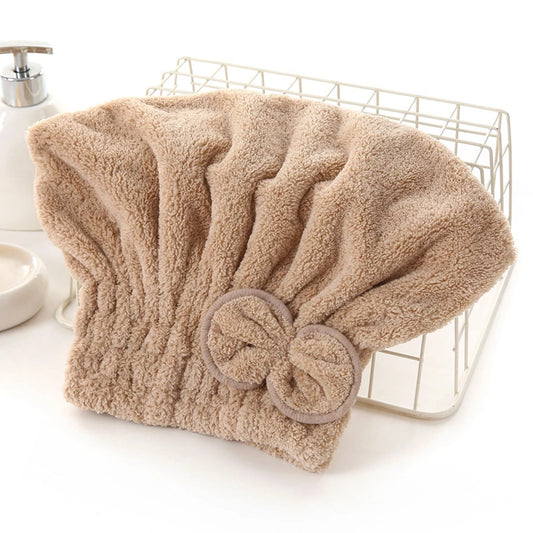
This Maison Orea collection brings together solutions for hair drying with a simple philosophy: less handling, more comfort, and a textile adapted to the head. Models can take the form of a compact towel, a turban, or a wrap with a button and loop. The right choice depends on hair length, thickness, and how you prepare after showering.

A bath towel can perfectly dry hair, but its large size and weight can sometimes be cumbersome when wrapped around the head. A dedicated towel uses less material and can be shaped to better conform to the volume of the hair. The result: it's easier to tie, takes up less space, and leaves the shoulders free.
This separation also has a practical benefit. Laundry used for the body doesn't necessarily follow the same rhythm as that used for hair. Having a specific textile makes it easier to adapt wash cycles and always have a clean item available after shampooing.
The turban follows the shape of the head and allows you to gather the length of your hair in a fabric pocket. It's ideal for those who want to move freely for a few minutes.
A simple fastener reduces the risk of slipping. The button should be easy to fasten without requiring excessive pulling on the fabric. The loop should be strong enough to withstand repeated use.
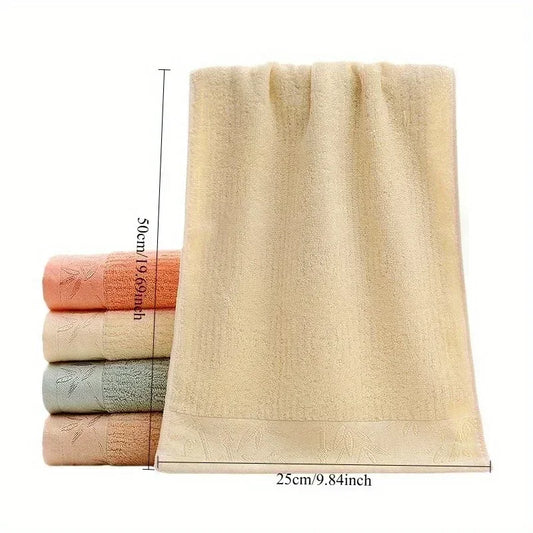
A small absorbent rectangle may be suitable if you prefer to dab your hair without enclosing it in a turban. It often dries quickly and slips easily into a gym bag or suitcase.
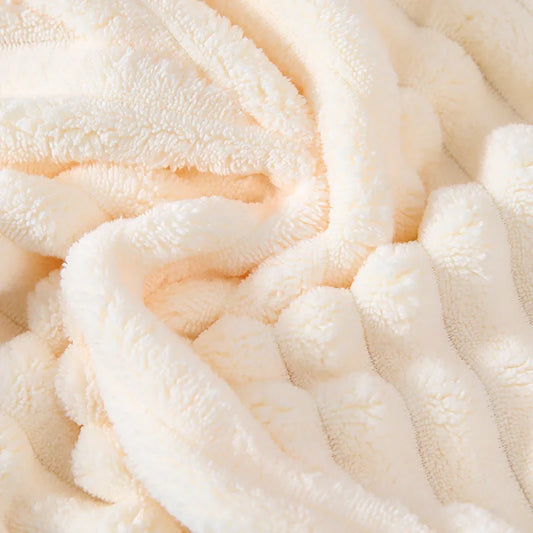
Microfiber is often chosen for its low weight and ability to quickly absorb moisture. It can be particularly practical for long hair, as it remains lightweight even when it starts to absorb water. Its feel varies depending on the fabric's construction: some models are very smooth, others resemble a fine sponge.
Cotton remains a familiar, soft, and absorbent option. However, very dense cotton can become heavier when used as a turban. For a towel specifically designed for the head, moderate density can offer a good compromise between absorption and comfort.
Other blends exist. It is better to check the exact composition, weave, and care instructions rather than choosing solely based on the material name. A high-performance textile is above all one that suits your use and retains its qualities after washing.
A compact model is often sufficient. The main goal is to remove excess water without needing a large towel.
Check the available length in the turban or wrap. The ends of the hair should be able to fit into the textile without being overly folded or compressed.
A little more volume and absorbency can be useful. However, avoid towels that are too heavy and become uncomfortable when wet.
Prioritize gentle handling. Dabbing rather than rubbing helps limit mechanical disorganization of the strands during drying.
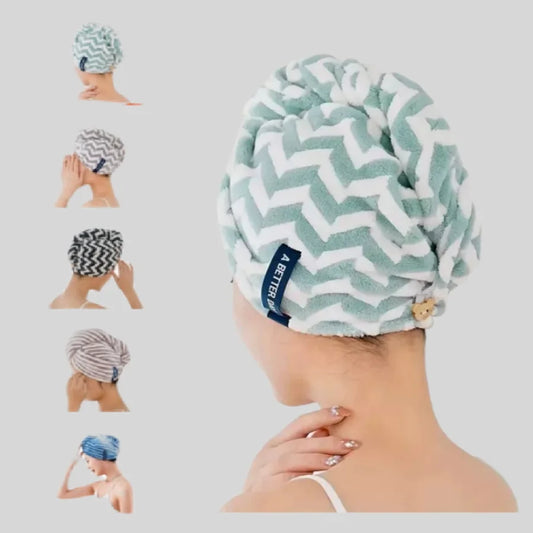
Start by removing excess water with your hands without twisting your hair forcefully. Then place the wide part of the towel at the back of your head, gently gather the lengths into the designated section, and then twist the fabric just enough so it holds. Bring the turban back and fasten the loop to the button if the model has one.
There's no need to pull it tight. The goal is to keep the fabric in contact with your hair, not to create tension. If the turban pulls at the roots or forehead, loosen it.
There is no single duration. The towel's main purpose is to absorb surface water before natural drying or using an appliance. Depending on hair thickness and material, a few minutes can already remove a significant amount of moisture.
A saturated textile no longer serves the same purpose. If your hair is very long, you can remove the turban, dab the lengths, and then continue your routine. The idea is not to keep your hair enclosed unnecessarily for a fixed duration.
To save time, prepare your towel before getting in the shower. After getting out, first dry your body with a shower towel, then place the hair towel. You can then put on a bathrobe and calmly continue your skincare routine.
This organization avoids having to manipulate a large towel around your head and keeps your body linen available. It is particularly practical in the morning, when every action needs to be quick, or in the evening when you want to take your time without having wet hair on your shoulders.
When hair is wet, how you dry it matters as much as the towel you choose. Rapidly rubbing the lengths between two pieces of fabric can create a lot of mechanical friction. A gentler approach is to press and dab the hair with the towel to remove water.
A dedicated towel obviously doesn't replace hair care products adapted to your hair type, but it can make the drying process more controlled. If you then use a hairdryer, removing some of the moisture with the textile first can also reduce the time your hair stays very wet.
Like all damp linen, the hair towel must be able to dry completely between uses. After removing the turban, unfold it and hang it in a well-ventilated area. Leaving it rolled up or fastened with its button while still damp slows down drying.
Follow the washing instructions corresponding to the material. For microfiber, in particular, certain fabric softeners can alter the textile's behavior; therefore, it is advisable to follow the manufacturer's instructions. Avoid overdosing on detergent and ensure thorough rinsing.
If the towel is used multiple times between washes, it must always be completely dry and reserved for the same person. A small rotation of two or three pieces is practical so you never run out of linen on shampoo day.
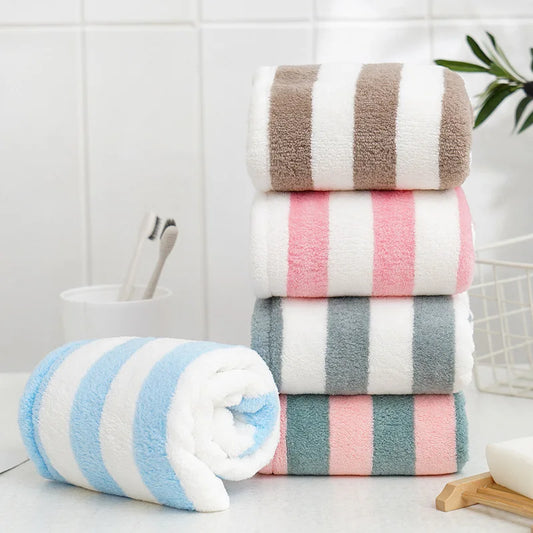
The hair turban often sits on a shelf or hook. Choosing a color coordinated with the bathroom creates a more organized feel. Shades of ecru, beige, soft terracotta, powder pink, or natural gray easily blend with classic towels.
You can also differentiate uses by color: one shade for body linen, another for hair, and a third for face towels. In a shared household, this simple organization avoids confusion while creating a visually coherent ensemble.
Its main role is to remove some of the moisture. The result depends on hair length, thickness, and usage time. It primarily prepares the hair for natural drying or styling.
Yes. The important thing is to avoid vigorous rubbing and to handle the strands gently. The choice of material and drying method can be adapted to your usual routine.
No. It should simply stay in place. Significant tension does not improve absorption and can make wearing it uncomfortable.
Two or three pieces can be practical if you wash your hair regularly, as they allow for rotation between use, washing, and complete drying.
A hair towel is most effective when it matches the actual volume of the hair. For short or medium-length hair, a small size quickly removes excess water without adding weight. For long hair, it is preferable for the ends to be able to fit into the textile without being excessively folded or compressed.
Regardless of the chosen format, avoid tightening the turban too much. The textile should stay in place due to its shape or fastening, not due to significant tension. Once the towel has absorbed some of the moisture, gently remove it and continue your usual routine.


Quelle taille de nappe choisir ? Formule, retombée idéale et tableaux pratiques pour table ronde, carrée, ovale ou rectangulaire.
Quelle taille de nappe choisir ? Formule, retombée idéale et tableaux pratiques pour table ronde, carrée, ovale ou rectangulaire.

Is a 220x240 bedding set suitable for your bed? Dimensions, drape, materials, and styling tips for a harmonious bed.
Is a 220x240 bedding set suitable for your bed? Dimensions, drape, materials, and styling tips for a harmonious bed.

Transform your back-to-school table into a practical and welcoming dining area. Tablecloth, storage, lighting, and tips to ease your days.
Transform your back-to-school table into a practical and welcoming dining area. Tablecloth, storage, lighting, and tips to ease your days.
