
Slow Living Home Decor: Calm Colours & Textiles
Louis MikolajczakSlow Living Decor: Creating a Calm Home Without Making It Empty Through Textiles
Slow living decor appeals because it promises a calmer home. But it is often misunderstood. It's not about making decor empty, cold, or beige out of obligation. It's a way of choosing what remains visible, what truly serves a purpose, and what brings daily peace.
In a successful slow living home, textiles play a central role. They soften without cluttering. They provide comfort without multiplying objects. They allow for a change in ambiance through texture, light, and touch rather than accumulation.
This approach aligns with home textiles trends focused on natural materials, but with an added intention: to visually slow down the home to make it more pleasant to live in.
Table of Contents
What slow living truly means in decor
Slow living doesn't mean living in a perfect home. It means reducing unnecessary demands. In decoration, this translates to fewer competing colors, fewer purposeless objects, and more attention to sensations.
A slow living room can have character. It can feature dark wood, textured textiles, antique objects, or muted colors. The difference is that each element seems chosen to last and to accompany daily life.
- Pleasant materials rather than gratuitous decorative effects.
- A concise palette to simplify the room's visual reading.
- Useful or genuinely loved objects instead of accumulation.
- Soft light to make the home more livable in the evening.
Why textiles are essential
Textiles are a simple way to make a home more inviting without multiplying objects. A throw, curtains, a rug, or bed linen bring presence, touch, and softer surfaces.
They also keep the decor flexible. You can lighten up in summer, densify in winter, change a shade without transforming the entire room. This flexibility aligns well with the slow living spirit: fewer impulsive changes, more consistency over time.
If your main problem is a room that echoes, our guide echoing home: how textiles improve comfort precisely distinguishes between acoustic comfort and sound insulation.

Building a calm but not bland palette
A slow living palette doesn't have to be entirely beige. It can mix off-white, clay, sage, soft brown, grayish blue, or natural linen. What matters is how the colors interact. They should create continuity, not competition.
To avoid blandness, vary the materials. A light sofa with matte cushions, a textured rug, flowing curtains, and a wooden table will have more depth than a room filled with objects in a single color.
| Need | Textile Solution | Effect | To Avoid |
|---|---|---|---|
| Calming the living room | Flowing curtains and matte cushions | Fewer visual disruptions | Matching everything exactly |
| Warming the bedroom | Ecru linen and textured throw | More enveloping ambiance | Accumulating too many cushions |
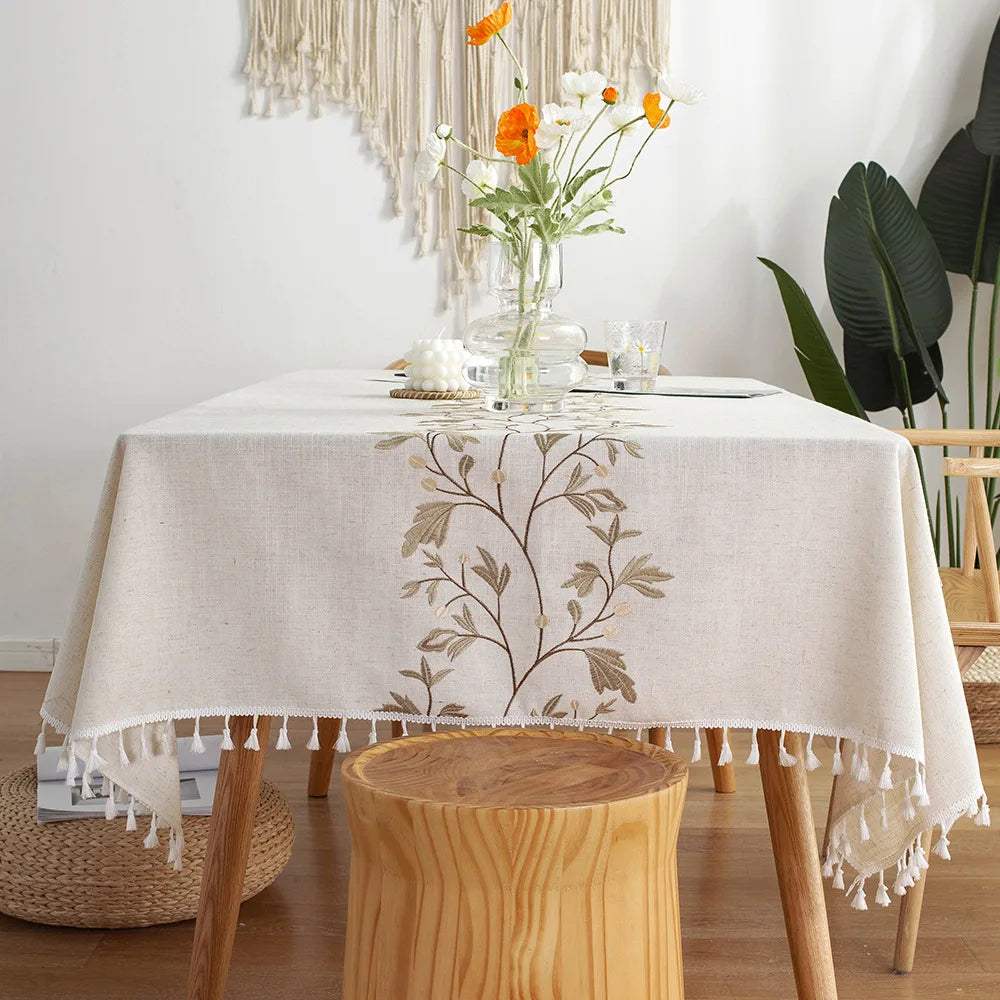
| Adding texture | Textured rug or table runner | Visible material | Multiplying strong patterns |
Mistakes that make the home too empty
The biggest mistake is confusing calm with absence. A home where everything is removed can become cold in daily life. Slow living must retain focal points: a lamp, a material, an armchair, or an object that tells a story.
The second mistake is copying an aesthetic without considering one's real life. A family, a dark apartment, or a very open home do not have the same needs. The right slow living decor is one that simplifies actions, not one that imposes a difficult-to-maintain staging.

Integrating slow living into daily life
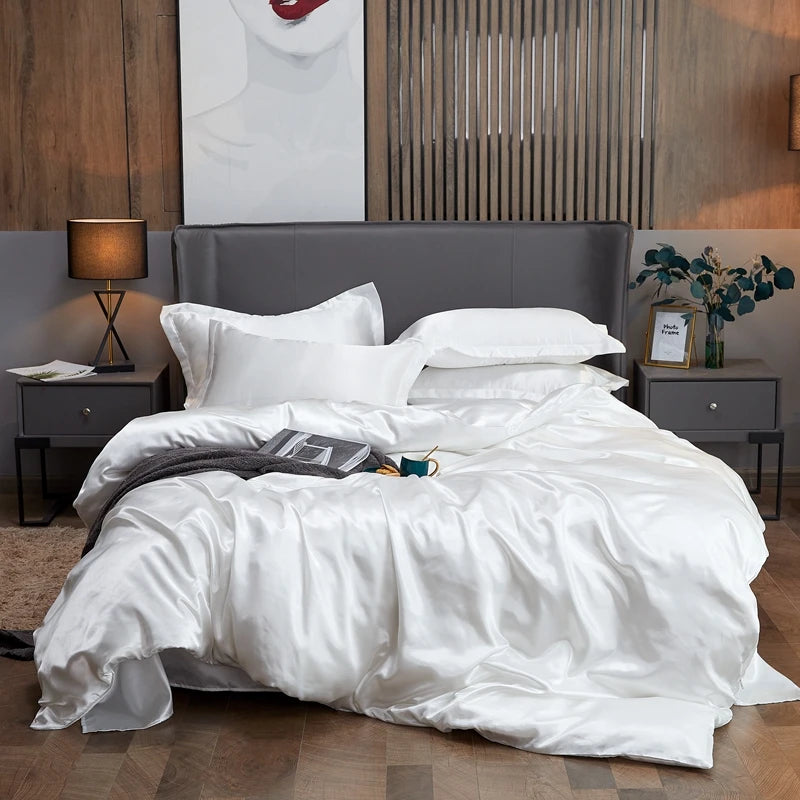
Start with one room. In the bedroom, this might mean softer bed linen, a warmer lamp, and fewer objects on the bedside table. In the living room, it could be a better-proportioned rug, fewer cushions, and curtains that filter light.
For the living room area, the guide how to choose a rug to connect the sofa and coffee table helps structure the space without multiplying furniture.
The advice on calming bed linen colors demonstrates the same principle in the bedroom: the room gains coherence when large visual surfaces echo each other.
Conclusion
Slow living decor is not about living in an empty house. It's about making better choices about what remains, especially the materials and textiles that accompany daily life.
With cohesive textiles, soft lighting, and a well-controlled palette, the home can become calmer without losing its personality.