
Easy care: prolong the life of your textiles
Louis MikolajczakLong-lasting textiles: the simple routine to keep your laundry looking good for longer
Extending the life of your textiles isn't about miracle products: it's about a clear method, a few machine adjustments, and good daily habits. This guide gets straight to the point for your bed linens , tablecloths , and cushion covers : temperatures that respect the fibers, sensible dosages, effective stain removal, drying without damage, useful ironing (and when to skip it), and storage that prevents wear and tear. The goal: stable colors, supple fabrics, intact seams… and time saved.

- The 7 principles that change everything
- Washing settings by material (useful chart)
- How often should I wash? (bed, table, cushions)
- Common tasks: act quickly, act gently
- Drying & smoothing: preserving the fiber
- Storage, rotation & anti-pilling
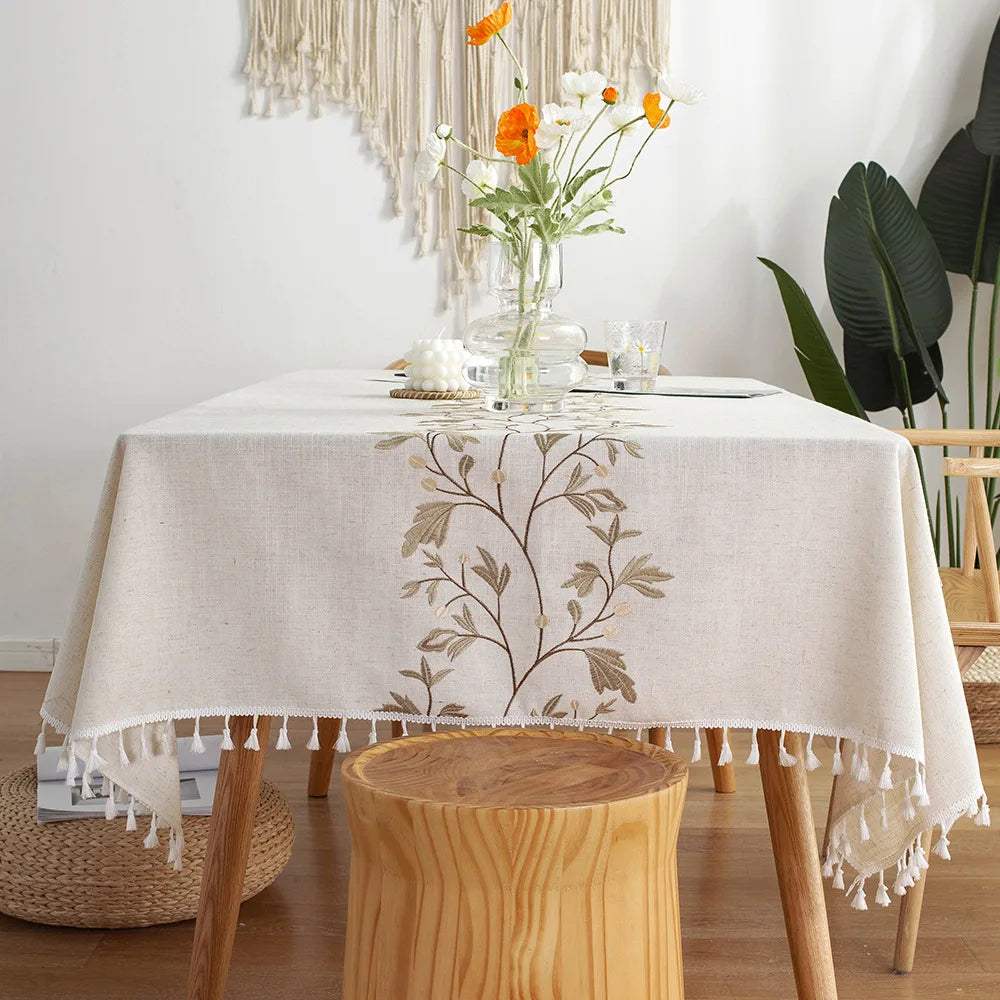
- Case study: table linen (tablecloths, napkins, runners)
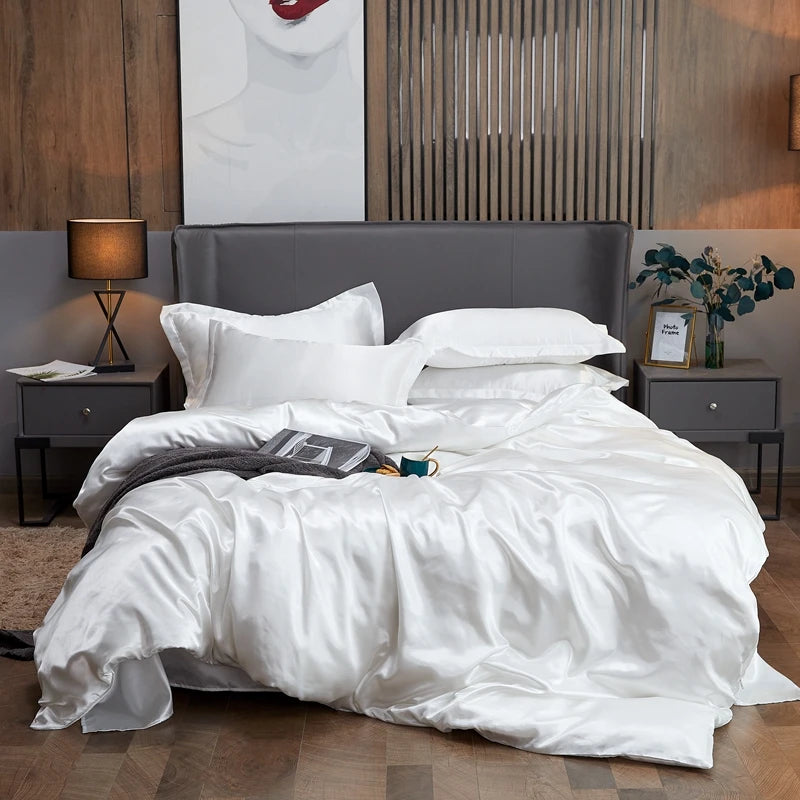
- Case study: bed linen (cover, pillowcases, fitted sheet)
- Case study: cushion covers (linen, velvet, bouclé…)
- Frequently Asked Questions
- Quick memo
The 7 principles that change everything
- Sort by material and color : cotton with cotton, linen with linen, synthetics with each other. Blends increase friction and wear.
- Fill to 70–80% : too full = broken folds, tarnishing from abrasion; too empty = unnecessary beating.
- Moderate temperatures : 30–40 °C is sufficient most of the time. Increase occasionally (60 °C) only if hygiene requires it and if the label allows it.
- Use the right amount : adjust according to the water hardness. Too much detergent will leave residue and dullness, too little will not clean well.
- Reasonable spin cycle : it's better to come out a little more damp than to break the fibers at 1400 rpm.
- Air dry as soon as possible. Hot tumble dryers are the enemy of colors and curls.
- Remove immediately (dab, do not rub dry): the longer you wait, the more the stain sets.
Washing settings by material (useful chart)
| Matter | Temperature | Spin drying | Laundry detergent / additives | Good reflexes |
|---|---|---|---|---|
| Cotton (percale, satin) | 40 °C (60 °C occasionally OK) | 800–1000 rpm | Regular laundry detergent, little fabric softener | Wash inside out, close zips/buttons |
| Linen & washed linen | 30–40 °C | 600–800 rpm | Gentle, bleach-free laundry detergent | Remove slightly damp, dry flat if possible |
| Cotton gauze | 30 °C | 400–600 rpm | Liquid laundry detergent, mesh bag recommended | Avoid high heat (shrinkage) |
| Velvet (cushions) | 30 °C | 400–600 rpm | Use gentle laundry detergent, never bleach | Turn inside out, wash in a mesh bag, brush after drying |
| Bouclette / sherpa | 30 °C | 600–800 rpm | Gentle laundry detergent, no fabric softener | Air dry, shake to fluff up the fiber |
| Synthetic blends | 30–40 °C | 800–1000 rpm | Liquid laundry detergent | Avoid using a hot tumble dryer (it may cause deformation) |
Smart dosage: hard water = +10–15% detergent (or limescale remover); soft water = −10–15%. Always follow the manufacturer's label.
How often should I wash? (bed, table, cushions)
| Textile | Recommended frequency | For what | A tip that extends |
|---|---|---|---|
| Pillowcases | 1x / week | Skin/hair contact | Return to the opposite side mid-week |
| Duvet cover | Every 2–3 weeks | Less exposed | Air the room for 10 minutes every morning |
| Fitted sheet | 1–2 times / week | Sweating | Mattress protector washed once a month |
| Everyday tablecloth | Depending on use/tasks | Projections & crumbs | Lightly brush/vacuum between washes |
| Party tablecloth | After each meal | Wine, fat, candles | Treat stains on the day of storage before storage |
| Napkins | Every 1–3 meals | Direct contact | Plan for 2 sets to rotate |
| Cushion covers | Every 2–4 weeks | Dust & friction | Vacuum with a textile brush once a week. |
With pets/children, simply wash more frequently without increasing the temperature: the fiber will thank you.
Common tasks: act quickly, act gently
Golden rule: dab (never rub dry), absorb the excess, rinse lukewarm , then treat gently . Avoid "setting" the stain in the dryer!

| Stain | Immediate reflex | Gentle treatment | Avoid | Useful tip |
|---|---|---|---|---|
| Red wine | Pat dry, rinse warm | Mild soap; warm milk if needed | Salt directly (can fix) | Treat before completely drying |
| Fat / sauce | Sprinkle with talc / Sommières clay | Dilute dishwashing liquid, rinse warm | Very hot water | Leave the absorber to work for 20–30 minutes |
| Candle wax | Allow to harden, then scrape off when cold. | Sheet + warm iron to absorb | Iron too hot (shiny halo) | Finish with a normal wash |
| Coffee / Tea | Rinse while still warm | Mild soap + short soak | Bleach on colors | Dry flat to avoid rings. |
| Chocolate | Scrape cold | Pre-wash with warm soapy water | Rub vigorously when dry | 40°C cycle after pre-wash |
| Makeup | Absorb without spreading | Gentle oil makeup remover + soap | Harsh stain removers | Test on a hem first |
Always test a product on the reverse side or on a discreet seam.
Drying & smoothing: preserving the fiber
Keep it simple
Remove the laundry as soon as the cycle is finished, shake it to loosen the creases, and hang it out of direct sunlight (especially for linen and colored items). Use the dryer on a gentle cycle , and not always.
Ironing: useful (or not)
Linen and cotton: iron slightly damp , inside out. Gauze: respect the waffle texture (no ironing or very light steam). Velvet: never iron—use a soft brush in the direction of the nap.
Express steam
Using a steamer on a tablecloth or cover already in place saves 10 minutes and avoids iron marks.
Storage, rotation & anti-pilling
- Rotation by 2 sets : one in use, the other clean. Wear is distributed, the fiber recovers.
- Wide creases : avoid creases always in the same place (shiny mark in the long run).
- Dry storage : cotton covers or ventilated boxes + moisture-proof bags if needed.
- Anti-pilling : wash inside out, tumble dry 70–80%, avoid regular fabric softener, gently brush textured surfaces.
Case study: table linen
The tablecloth experiences intense moments (wine, wax, sauces). Anticipation and a gentle reaction are enough to keep it impeccable.
Before the meal
Steam to remove wrinkles. Place a fleece underlay: it protects against impacts and stains that penetrate the fabric.
During
Blot up any liquids immediately. For grease, dust with talcum powder for 20 minutes.
After
Shake outside, pretreat stains before washing. Dry flat if linen. Fold wide to avoid the “center crease”.
For quality bases and easy-care coordination: Tablecloth .
Case study: bed linen
- Duvet cover : close buttons/zips, turn inside out, avoid getting the ties caught in the drum.
- Pillowcases : short cycle + careful rinse (facial contact), air dry to maintain softness.
- Fitted sheet : essence of longevity = moderate spin cycle to protect the elastics.
Case study: cushion covers
Cushions absorb light, dust, and friction. Gentleness and discipline are all that's needed.
- Before washing : vacuum clean (textile brush), close zip, turn the cover inside out.
- Machine wash : 30°C, mild detergent, mesh bag for velvet/bouclé. Moderate spin cycle.
- After : dry flat, re-brush velvet/bouclé in the direction of the hair, replace the filling completely dry.
Frequently Asked Questions
Fabric softener: useful or not?
Use it sparingly, not with every wash. It weighs down the fibers and can accelerate pilling. A good rinse and air drying often work better.
Can I wash linen and cotton together?
It's best to avoid it: linen prefers a gentle spin cycle and slow drying. If you must, follow the rule of the most delicate (low temperature/spin).
How to avoid shrinkage?
Keep below the maximum temperature indicated on the label, spin moderately, avoid high-heat tumble drying. Remove the laundry slightly damp to reshape it.
My tablecloth has a stubborn crease mark, what should I do?
Generous steam + damp cloth (a damp cloth between the iron and the tablecloth). On linen: steamer on a table, gently pulling the fibers.
Velvet that leaves a mark?
Brush in the direction of the hair with a soft brush. Do not use an iron: the heat will damage the material.
Quick memo
- Drum: 70–80% • 30–40 °C default • moderate spin.
- Remove stains quickly : dab, rinse warm, treat gently, test discreetly.
- Air dry as often as possible, iron damp (linen/cotton), never iron velvet.
- Rotation 2 sets • wide fold • dry storage.
- Table: fleece + immediate reaction to stains • Bed: air 10 min/day • Cushions: wash upside down in a mesh bag.