
Home vacation: textiles that change the atmosphere
Louis MikolajczakVacation Home at Home: Textiles That Change the Atmosphere Without Redecorating
A vacation home at home isn't about square footage, region, or a sea view. It's a feeling. You recognize it by the circulating light, softer materials, simpler gestures, and the impression that the house breathes better. Textiles play a major role in this perception.
A lighter curtain, a well-placed throw, fewer but better-chosen cushions, a light tablecloth: these details change the mood of a room without major work. They give an impression of a break, even in a city apartment.
The challenge is to avoid artificial decor. A successful vacation home doesn't necessarily look like a postcard. Above all, it feels easier to live in. This is exactly the spirit of the 2026 home linen trends: natural, useful materials capable of transforming the atmosphere effortlessly.
Table of Contents
Defining the desired feeling
Before modifying a room, ask yourself what you truly associate with a vacation home. For some, it's light-colored linen. For others, it's a table ready for guests, a less cluttered sofa, a lighter bedroom, or curtains that move when the window is open.
This answer helps avoid unnecessary purchases. If your desire comes from the light, changing the cushions won't be enough. If it comes from a sense of rest, you might need to simplify surfaces or remove overly heavy textiles.
Start with light and curtains
Curtains immediately change the atmosphere. Opaque or very stiff curtains can reduce light and create a strong presence around the windows. Conversely, a sheer curtain, light linen, or soft cotton allows more light to circulate while dressing the opening.
It's not necessarily about replacing everything. Sometimes, opening the panels more or lightening one layer is enough to change the perception of the room.
- Dark room: choose a textile that preserves light.
- Very bright room: filter if necessary with a soft material.
- Large bay window: ensure the fullness is consistent with the width.
- Small window: avoid a disproportionately massive textile.

Lighten the living room with simple gestures
The living room often bears a large part of the visual fatigue of the house. Too many cushions, too many throws, or too many small objects on the coffee table can complicate the simplest gestures: sitting down, putting down a drink, or moving around.
Keep textiles that are truly useful. A light throw can stay if its material adds softness. A few well-chosen cushions are often enough. To build this composition without overcrowding, consult our guide cozy living room: combining a sofa throw and cushion covers.
| Area | Textile to adjust | Desired effect | To avoid |
|---|---|---|---|
| Sofa | Lighter covers, thin throw | Clearer seating | Accumulating cushions |
| Window | Soft curtain or sheer | Filtered light | Textile too massive for the room |
| Table | Simple tablecloth or runner | More spontaneous use | Decor too fragile for everyday life |
Make the everyday table breathe
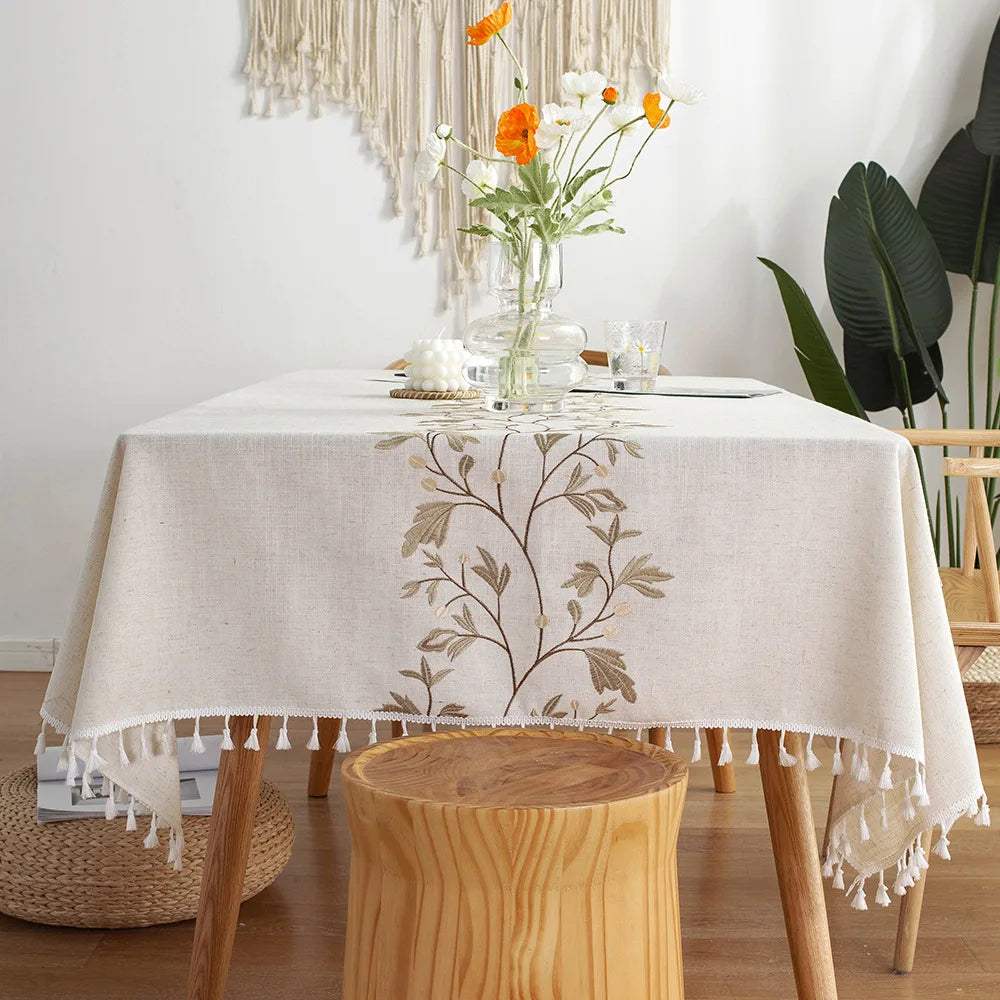
A vacation home is often recognized by its table: it seems ready without being ceremonial. A soft tablecloth, a few cloth napkins, a carafe, and simple plates are enough to create this impression. The tips for setting an outdoor table without fear of daily use can also inspire the indoor table.
Table textiles should not hinder use. If they are too precious, no one dares to use them. The right textile provides a base for the table and then makes way for the meal.
Don't forget the bedroom and bathroom
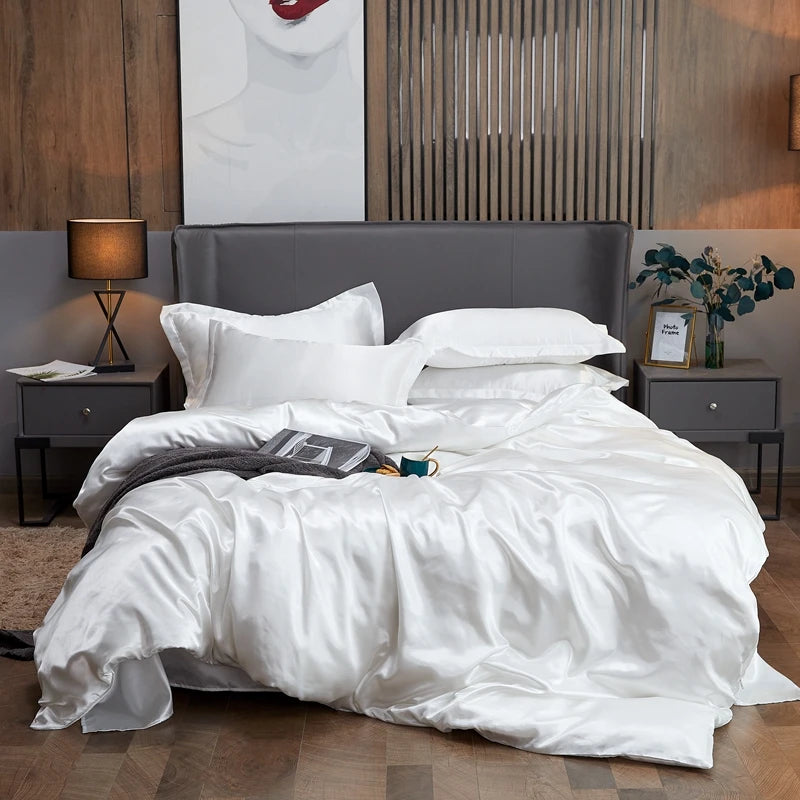
The vacation feeling should not stop at the living room. In the bedroom, visually lighter linen and a less cluttered composition quickly give a different impression. To truly adapt materials to the season, consult how to choose your bed linen according to the seasons.
In the bathroom, clean, well-dried, and easily accessible textiles matter more than complex staging. The common thread can remain the same from one room to another: less visual clutter, more useful materials.
A few discreet reminders are enough to create continuity: the same shade of ecru, a natural basket, or a cotton texture. It's not about coordinating the entire house down to the millimeter.
Mistakes that create a false impression
The first mistake is choosing a theme instead of a feeling. Overly obvious beach motifs and matching accessories quickly create a literal decor. A more lasting ambiance comes instead from light, materials, and simplicity of gestures.
The second mistake is brightening everything without maintaining any anchor. A vacation home is not necessarily white. It can include wood, a soft color, a denser textile, or ceramics.

Conclusion
Creating a vacation home at home is less about a decorative theme than about sensations: light, materials, circulation, and simplicity.
Curtains, cushions, throws, bed linen, and table textiles can evolve the home without major work, provided they remain adapted to the actual use of each room.