
White tablecloth: how to make it chic and easy to live with
Louis MikolajczakA white tablecloth can be used every day if it is not treated as a fragile item
The white tablecloth has a contradictory reputation. It evokes a beautiful table, light, and leisurely meals, but many store it away for special occasions for fear of stains. However, when chosen well and integrated into a simple routine, it can become a true everyday textile.
The secret is not to maintain an immaculate tablecloth at all times. It's about choosing a shade, material, and style that embrace home life. An off-white, a textured weave, or more colorful tableware makes the table less intimidating. The tablecloth retains its radiance without forcing you to set a formal decor for every meal.
Here's how to use it naturally, pair it with what you already own, and maintain it without constantly monitoring it. For more targeted care tips, also find our article on how to properly care for and remove stains from a linen or cotton tablecloth.
Table of Contents
Choosing the right white for your interior
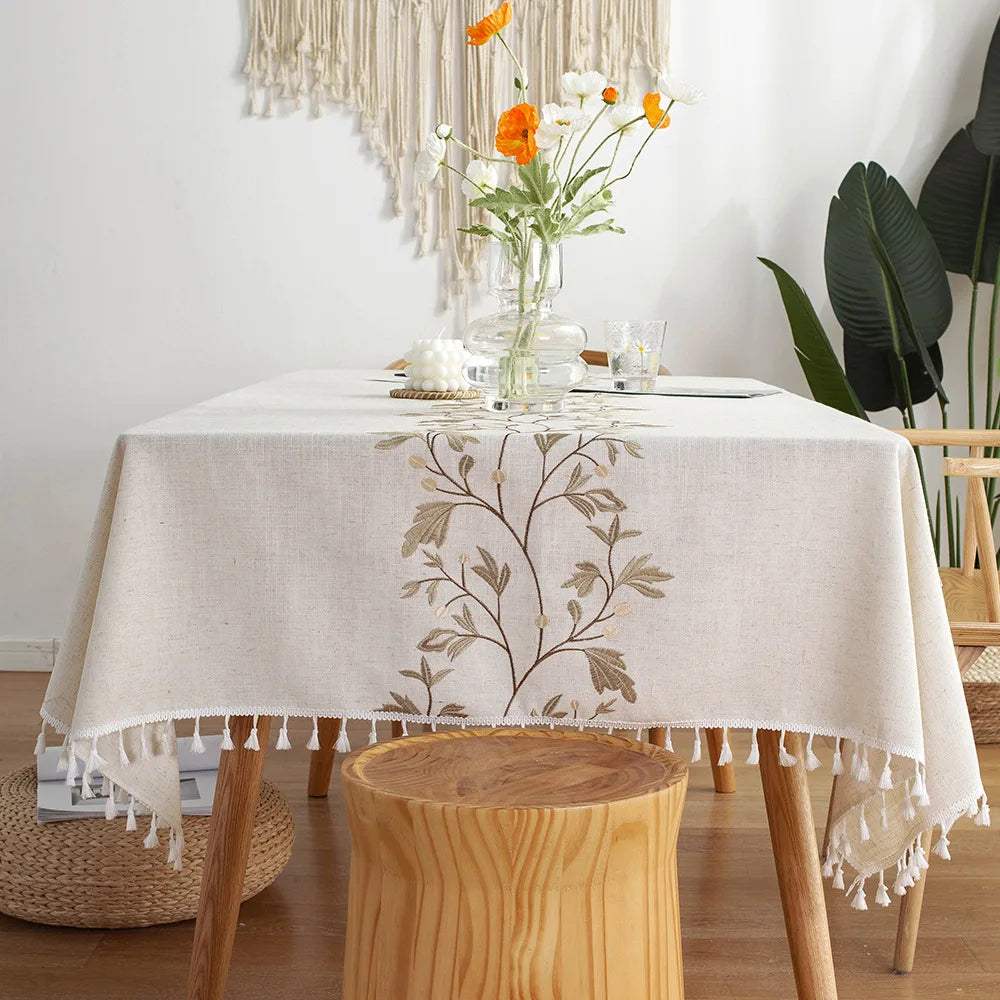
Pure white is very bright, but it can appear cold in a kitchen with gray walls or a dimly lit dining room. An ecru, ivory, or slightly creamy white brings a softer light and pairs easily with wood, rattan, ceramic, or colored walls. The shade may seem subtle on a product sheet; across the entire surface of a table, it truly changes the ambiance.
Look at the other whites in the room. The walls, curtains, plates, and chairs don't need to be identical, but they should be able to coexist. If your dinnerware is a crisp white, an ecru tablecloth creates a delicate contrast. If the walls are cream, a bolder white tablecloth can add some depth to the table.
Evening light also needs to be considered. Under a warm bulb, an off-white becomes very enveloping; under cold lighting, a pure white can appear bluish. Test the tablecloth at different times before concluding that a color doesn't suit you.
A material that makes you want to use it
For everyday use, look for a material that you can wash and put back without ceremony. Cotton often offers this comfort: supple, easy to live with, capable of draping beautifully after a few uses. Linen provides a freer texture and a charm that doesn't depend on perfect ironing. Light creases are part of its appeal, which can be very reassuring when the table is truly used.
A slightly textured material is particularly interesting in white. It catches the light, better masks small irregularities, and adds depth even with simple tableware. Conversely, a very smooth surface creates a more formal effect: superb for a dinner party, but sometimes less natural in a family kitchen.
A white tablecloth can thus remain a very flexible base. Its role is to make the table available: it welcomes morning coffee, market flowers, an impromptu meal, or a more refined evening without completely changing the decor.

An off-white and a visible weave make the table bright without giving it too ceremonial a look.
Setting a white table without a restaurant feel
A white table becomes too formal when all the codes are added at once: matching dinnerware, impeccably folded napkins, an imposing centerpiece, candles, and precious glasses. For an ordinary meal, keep only two or three elements. A stack of simple plates, one glass per person, and a small vase are already enough.
You can leave the tablecloth slightly wrinkled if the material allows it. This gesture removes solemnity and invites people to sit down more. Napkins can be mismatched within the same color family, or simply tied with thin string. The idea is to create a thoughtful table, not one that people are afraid to touch.
The meal itself can be the decoration. A large dish placed in the center, bread in a basket, some seasonal fruits, or a carafe of water bring life without you needing to accumulate accessories.
Light also helps a lot. In the evening, a small accent lamp or a low candle creates a warm atmosphere without hiding faces. During the day, let the tablecloth play with natural light and avoid overly tall objects that block the view. On a white table, emptiness is as valuable as the details placed on it.
Adding colors and textures with moderation
White is a very good stage for colors. With light wood and beige ceramic, it creates a soft ambiance. With amber glasses or a terracotta napkin, it becomes warmer. With a deep blue or a bottle green, it takes on a more graphic look. Choose a direction and stick to it: two accent colors are largely sufficient.
Materials are just as important. A wooden trivet, a stoneware vase, a linen napkin, or a natural fiber placemat prevent white from looking clinical. You don't need to add all these textures at once. A single, more rustic material already makes a difference, especially on a modest-sized table.
If you use a white tablecloth with children, colored napkins and individual placemats can protect the most used areas while maintaining the brightness of the table. It's a simple way to reconcile beautiful material and everyday gestures.
The routine that makes maintenance less tedious
The best routine is the one you will stick to. After the meal, remove crumbs, wipe up fresh spills, and hang the tablecloth if it is damp. Do not let a colored stain dry all day on principle: a few seconds of attention now will prevent a long treatment later.
Have two white tablecloths or one white and one more colorful. This rotation removes a lot of pressure. You can use the light tablecloth whenever you want, without waiting for a perfect occasion or worrying about not having a protected table during washing.
Finally, accept that a used tablecloth tells a story. A well-maintained but living textile is more beautiful than an impeccable linen that stays in a closet. The table then becomes a place of sharing, not a surface that is preserved at a distance.
If a mark persists despite everything, do not immediately change the tablecloth to save the appearance of the meal. Act after eating, with the gesture appropriate to the material. This small rule protects both the linen and the pleasure of being at the table: no one wants to interrupt a conversation to monitor a drop of sauce.
| Choice | Desired effect | Easy pairing | To avoid |
|---|---|---|---|
| Pure white | Clean and graphic table | Colored dinnerware or light wood | An already very cold room |
| Ecru or ivory | Softer light | Ceramic, rattan, and natural tones | Matching everything to the same beige |
| Textured weave | Lively everyday look | Mismatched napkins | Overly rigid ironing if the material doesn't require it |
Conclusion
A white tablecloth can be chic everyday when chosen in a soft shade, an easy-care material, and a size suitable for your table. Keep the setting simple, add one or two textures, then adopt quick care routines. It will stop being reserved for exceptional meals and will simply bring more light to those that matter every day.