
Summer Textiles: Refresh Your Home Without a Total Revamp
Louis MikolajczakSummer Textiles: Which materials to lighten to easily cool down your home
When warm weather arrives, many homes suddenly feel too heavy. Not because of the furniture, but because of the layers of textiles accumulated during the cold months. Thick throws, muted colors, dense materials, too many cushions: everything that provided comfort in winter can quickly create a feeling of stagnant air in summer.
However, refreshing your interior doesn't mean changing everything. Often, a few well-thought-out adjustments are enough. Replacing one texture with another, brightening a palette, lightening a bed or a table transforms the perception of the room much faster than you might imagine.
The guidelines provided in the Orea article on bedding according to the seasons are very useful for the bedroom, but the logic also applies to the living room and the table. Summer calls for less visual mass and more breathing room.
Table of Contents
The direct answer: lighten before buying
The most effective step is to remove first. Remove a throw that's too dense, two unnecessary cushions, a tablecloth that's too heavy, or a cover that's too dark. As soon as a room loses a bit of textile volume, it often feels fresher without any expense.
Only then can you reintroduce some lighter materials: washed cotton, supple linen, airy weave, matte and light surfaces. Summer doesn't demand more decoration; it demands decoration that flows better.
- Fewer layers on the bed and sofa.
- More open colors without falling into cold white.
- Drier or more airy materials instead of heavy textures.
- Softer contrast to let in the light.
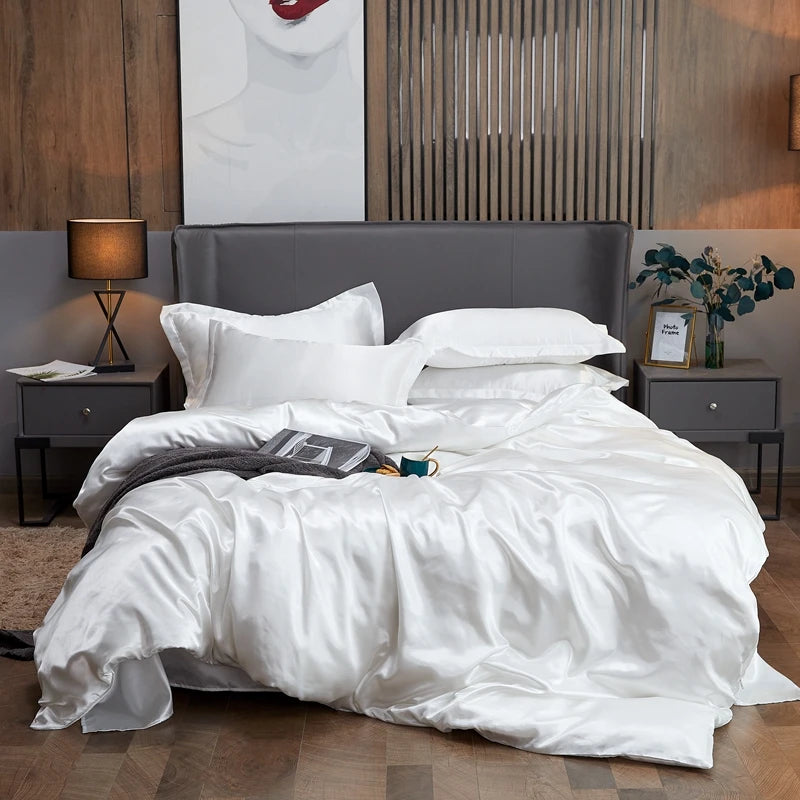
In the bedroom: let the bed breathe
A summer bed doesn't need to be empty. It simply needs to be less compact. A lighter cover, a thin throw instead of a thick knit, a palette of sand, chalk, linen, or grayish blue are enough to create a fresher feeling. The bed remains elegant, but it appears less dense.
Textures are as important as colors. A slightly wrinkled but thin material often gives a more summery impression than a perfectly smooth but thick textile. It's not just the white color that cools a bedroom; it's the combination of light and visual lightness.

In the living room: maintain comfort without the heaviness
The living room often poses a real dilemma: you want to maintain a welcoming atmosphere, but without the cozy winter effect. The solution involves a change in density. A thinner throw, more matte covers, fewer layers, and a lighter palette are often enough to transform the seating area.
You can also shift darker accents to small touches instead of having them dominate large volumes. A deep brown cushion on a light sofa breathes better in summer than a large dark throw prominently displayed.
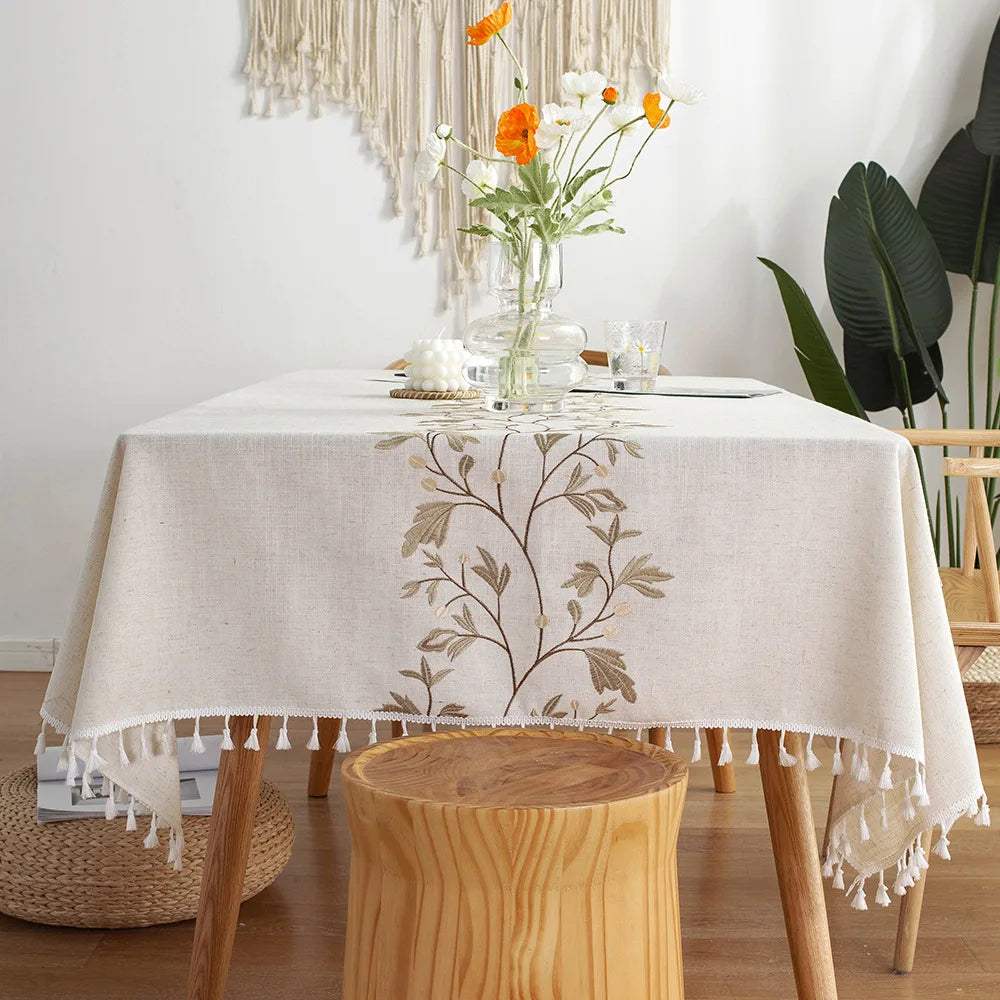
On the table: more lightness, less staging
Summer doesn't handle overly composed tables well. A beautiful light tablecloth or a simple table runner, light crockery, and a few natural materials are enough. As soon as you add multiple layers, the table seems more formal than convivial.
If you often set the table outdoors, Orea's advice on outdoor tablecloth material helps maintain this lightness without sacrificing practicality. Again, the right summer choice is one that simplifies the room instead of overloading it.

Summer mistakes that make things even heavier
The first mistake is believing that a summer interior must be entirely white. Without nuance or material, white quickly becomes tiring and can even accentuate a dry heat sensation. The second mistake is keeping all winter layers while only changing one or two decorative objects.
The third, more subtle mistake, is wanting a cool home without lightening the volumes. As long as beds, sofas, and tables remain massive in their visual interpretation, the ambiance changes little. In summer, coolness primarily comes from the rediscovered emptiness between materials.
Conclusion
Cooling down your home for summer doesn't require major renovations. It mainly involves removing heavy elements, choosing more airy textures, and allowing more light to circulate between textiles.
When materials become more supple and volumes more breathable, the home immediately appears more seasonal, calmer, and more pleasant to live in.