
Linen, an essential fabric for weddings
Louis MikolajczakShare
Linen, an essential fabric for weddings for a natural and elegant decor
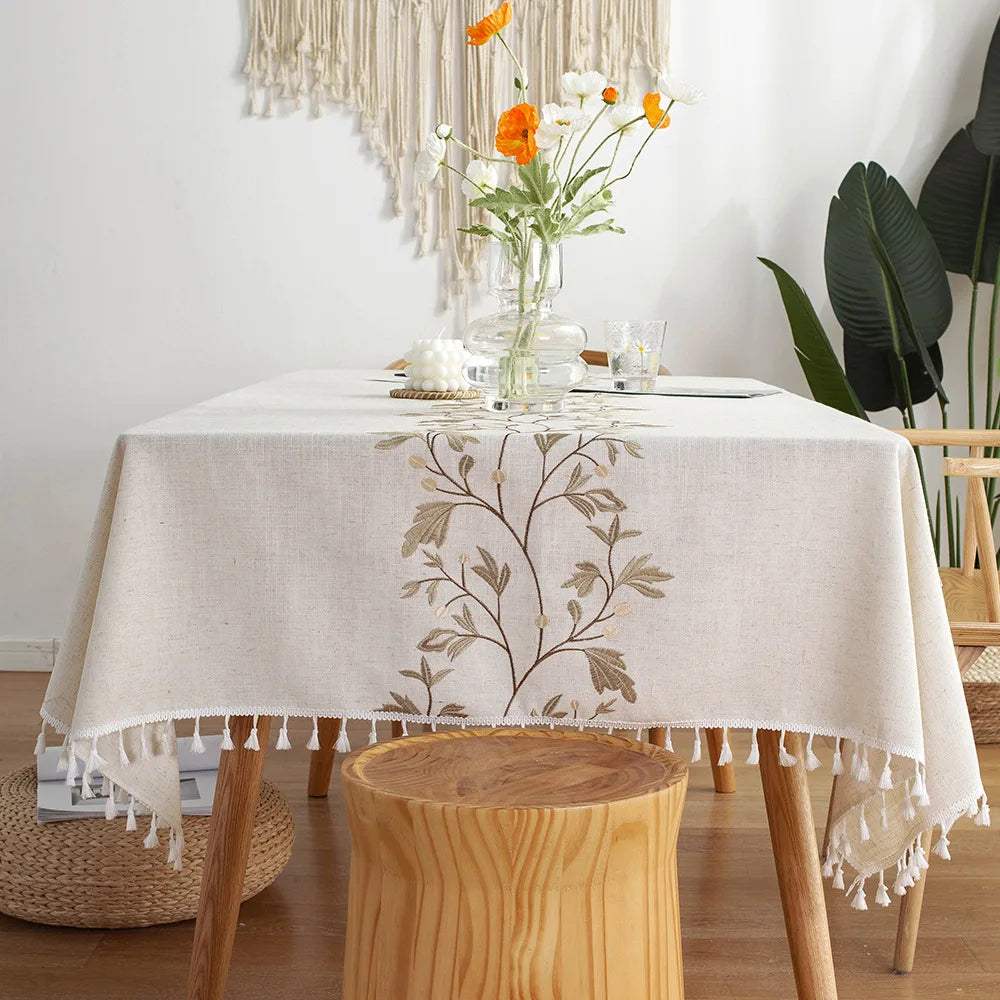
Linen works particularly well in wedding decor because it adds texture without imposing too strong a theme. Its slightly lively appearance suits both a rustic reception and a Mediterranean, minimalist, or more classic table.
It can be used as a tablecloth, table runner, or napkins. The idea is to create a common base for the entire table, then let the dinnerware, flowers, and lighting build the atmosphere. To more precisely pair linen with porcelain, stoneware, glassware, and cutlery, also consult our guide Table setting: the right pairings with a linen tablecloth and the mistakes that spoil everything.
Summary
1. Why linen works so well for a wedding2. The decorative advantages of linen3. How to use it on the table4. Colors and materials to combine5. Preparing and maintaining linens before the celebrationConclusion1. Why linen works so well for a wedding
Weddings often require reconciling elegance and conviviality. Linen fits this logic well: it dresses up the table without giving it too rigid an appearance and maintains an interesting presence even when very neutral colors are chosen.
Its texture alone can sometimes create relief. This allows for limiting patterns and accessories, which is useful on a large table where dinnerware, glasses, flowers, and menus already occupy a lot of visual space.
2. The decorative advantages of linen
- Natural texture: it adds depth to a sober palette.
- Supple drape: it works well with long tables as well as small round tables.
- Versatility: it pairs with wood, ceramic, glass, and discreet metallic elements.
- Reusability: a tablecloth or napkins chosen in a timeless shade can be reused after the wedding.
Rather than aiming for a perfectly smooth effect, you can embrace a slightly wrinkled look if the linen is clean, well-placed, and consistent with the overall style.
3. How to use linen in a wedding table setting
- As a full tablecloth: to immediately unify the table. Check the overhang before the reception so that the fabric does not hinder seating.
- As a table runner: interesting on a wooden table or over a plain tablecloth. The guide how to set a table runner provides length and placement guidelines.
- As napkins: a simple fold or a loose knot is enough; no need for multiple accessories.
- In small touches: fabric ribbons, cutlery holders, or stationery details can echo the same shade without covering the entire table.
If the tables are rectangular, first calculate the correct tablecloth size with our guide what size tablecloth for a rectangular table. For a 150 cm round table, the guide 150 round table helps choose the diameter according to the desired effect.
4. Pairing linen with other materials and colors
The simplest approach is to choose a main color and one or two accents. With an ecru or sand linen, ivory dinnerware, clear glass, and wood create a very natural ensemble. An off-white linen works well with more graphic dinnerware. Sage green, soft terracotta, powdery pink, or grayish blue can serve as accents without overpowering the setting.
Above all, avoid multiplying strong textures in the same place. If the tablecloth already has a lot of character, simple dinnerware and a low centerpiece are often sufficient.
5. Preparing and maintaining linens before the celebration
A few days before the wedding, check each tablecloth and napkin: dimensions, any stains, hems, and overall condition. Wash only according to the product label and allow enough time for complete drying.
- Treat stains before washing rather than directly increasing the temperature.
- Avoid overloading the drum with large tablecloths.
- Store linens perfectly dry.
- If you want a neater finish, steam or iron according to the fiber and manufacturer's instructions.
Our guide how to properly care for and remove stains from a linen or cotton tablecloth compiles the steps to take before and after the reception.
Conclusion
Linen remains an excellent base for wedding decor because it offers discreet elegance and combines easily with very different styles. A well-sized tablecloth, a few matching napkins, and low decorative elements are enough to create a cohesive table without clutter.